Key Takeaways:
- Cultural Relevance in Recovery: Standard rehab often overlooks the cultural and communal aspects vital to Native American healing. Culturally specific programs integrate traditional practices with clinical care, ensuring individuals feel understood and supported.
- Healing Through Tradition: Practices like sweat lodges, talking circles, and Wellbriety teachings reconnect individuals with their heritage, fostering emotional, spiritual, and communal healing.
- Choosing the Right Program: A culturally aware treatment program respects Native identity, incorporates traditional ceremonies, and provides access to elders and spiritual guides, creating a safe and empowering recovery environment.
Question:
What are the benefits of a Native American-specific rehab program?
Answer:
Culturally specific addiction treatment is essential for Native Americans seeking recovery, as it bridges the gap between clinical care and traditional healing. Standard rehab often neglects the cultural and communal aspects central to Native identity, leaving individuals feeling isolated. By addressing trauma—rooted in systemic oppression and intergenerational grief—culturally aware programs validate the unique struggles of Native communities. These programs integrate traditional practices like sweat lodges, talking circles, and Wellbriety teachings, which reconnect individuals with their heritage and provide holistic healing for the mind, body, and spirit. Choosing a culturally competent program ensures a safe space where Native identity is honored, and recovery becomes a journey of reconnection and empowerment. With access to elders, spiritual guides, and traditional ceremonies, individuals can heal not only themselves but also contribute to the resilience of their communities and future generations.
When you or a loved one decide to seek help for addiction, taking that first step takes immense courage. But for many Native Americans, walking through the doors of a standard rehabilitation center brings an unexpected challenge. The environment might feel foreign, disconnected, or even unsafe. You might find yourself sitting in therapy sessions where the core of your identity and your community’s history goes completely unacknowledged.
If you are questioning whether traditional rehab is enough to support true healing, you are asking the right questions. Overcoming substance use disorder requires more than just stopping the use of drugs or alcohol. It requires deep, holistic healing of the mind, body, and spirit. For Native individuals, that healing is deeply tied to culture, community, and tradition.
In this post, we will explore why culturally specific addiction treatment is vital. You will learn how trauma impacts addiction, why cultural connection acts as medicine, and how to find a recovery path that honors your heritage.
The Limits of Standard Addiction Treatment
Mainstream addiction treatment models focus heavily on clinical therapy, medical detox, and behavioral interventions. While these methods are highly effective and save lives, they often take a highly individualized approach. They look at addiction as a personal struggle, separating the individual from their community and their ancestors.
For Native Americans, this approach can feel isolating. Standard programs rarely account for the communal nature of Native cultures or the spiritual elements of wellness. A clinical therapist might understand the psychology of the addictions we treat, but they might not understand the profound grief of losing a cultural language or the spiritual significance of traditional ceremonies.
When treatment ignores your culture, it leaves out a massive piece of your identity. You might feel misunderstood by peers in group therapy or struggle to relate to the coping mechanisms taught in standard curriculum. Culturally specific treatment bridges this gap. It integrates evidence-based clinical care with traditional healing practices, ensuring you do not have to leave your identity at the door to get sober.
Looking For Substance Abuse or Mental Health Help?
Get confidential help from our addiction and mental health treatment facilities located across the United States. Call to join one of our quality programs today!
Speak With Our Admissions TeamWhy Culturally Competent Treatment Matters
Culturally competent care makes a profound difference in restoring health and hope. It means creating a treatment environment that actively learns from and respects Indigenous traditions. True recovery stems from addressing all areas of pain and nurturing the mind, body, and spirit together.
Standard clinical approaches work well, but they are most effective when paired with cultural understanding. For Native Americans, culture is central to tribal identity, social connection, and spiritual existence. Removing a person from their culture during treatment can lead to feelings of isolation.
When rehab centers integrate cultural humility, they acknowledge that Indigenous healing is valuable and transformative. Culturally proficient care successfully combines medical knowledge with the guidance of Indigenous teachers. This powerful combination helps patients break the cycle of addiction and build a fulfilling, sober lifestyle.
The Aliya Native American Program
At Aliya Health Group, we know that a one-size-fits-all approach does not work for everyone. Our Native American Program (NAP) offers a highly specialized treatment track. We provide a safe, therapeutic space for both Native and non-Native patients seeking culturally competent addiction support.
Our program addresses the mental and behavioral health factors involved with Native American alcohol abuse. We focus on deep restoration and trauma resolution. Our Wellbriety-certified group facilitators lead our courses with attention to culture, accuracy, and deep respect.
By embracing holistic practices, we help you replace toxic beliefs with genuine self-resilience. You will learn to manage triggers, develop stronger self-confidence, and reconnect with your ancestral roots. Here is a closer look at the unique offerings that make our program life-changing.
Verify Your Insurance
Looking for quality treatment for substance abuse and mental health that’s also affordable? Aliya's Native American Programs accept most major insurance providers. Get a free insurance benefits check now!
Check Your CoverageThe Healing Power of Cultural Connection
For Native Americans, culture is prevention, and culture is treatment. Traditional practices offer powerful tools for emotional regulation, spiritual grounding, and community building. When these elements are woven into a Native American curriculum, recovery transforms from a clinical process into a profound healing journey supported by tribal teachings and native culture, fostering spiritual connection and holistic well-being.
Reconnecting with your heritage provides a sense of belonging that addiction often destroys. Substance use isolates people, pulling them away from their families, their elders, and their traditions. Recovery is the process of coming back home, helping to restore life’s natural order through core guiding principles rooted in indigenous traditions.
In a culturally specific program, you learn to draw strength from your roots. Rehabilitation centers designed for Native American communities provide culturally specific care that addresses high rates of substance use disorders and trauma. You realize that the resilience needed to overcome addiction is the exact same resilience that has kept Native communities alive through centuries of hardship. That realization is empowering. It shifts the focus from what is broken to what is strong. Acknowledging and treating historical trauma and socioeconomic factors that contribute to addiction is essential for true healing.
Embracing the Wellbriety Movement
One of the most powerful frameworks for Native recovery is the Wellbriety movement. Wellbriety goes beyond simple sobriety. It means living a life of balance and harmony—physically, mentally, emotionally, and spiritually.
The Wellbriety movement adapts the traditional 12-Step model to align with Native American teachings, such as the Medicine Wheel. It emphasizes that healing must include the individual, the family, and the community. By incorporating the White Bison curriculum and the teachings of the elders, Wellbriety provides a culturally resonant path to wellness. It teaches that the journey to an alcohol- and drug-free life is intertwined with learning about and returning to cultural values.
What Culturally Aware Treatment Looks Like
You might be wondering what culturally specific treatment actually looks like in practice. How does it differ from a standard 30-day program? At a leading Native American rehab center, a full continuum of care is provided through disorder treatment programs that integrate both traditional healing methods and evidence-based modern therapies, ensuring seamless transitions from detoxification to long-term recovery support. A truly culturally competent facility weaves traditional practices into the daily schedule, right alongside group therapy and individual counseling, blending cultural ceremonies with therapeutic activities such as drum making, sweat lodges, pipe ceremonies, and talking circles.
These therapeutic activities are complemented by peer-to-peer support, with relapse prevention initiatives training Native Americans in recovery to become certified peer mentors within their communities. Effective treatment programs for Native Americans address both substance abuse and co-occurring conditions, incorporating detox, behavioral therapies, counseling, and medications. Dual diagnosis programs that combine traditional therapeutic methods with culturally relevant practices have been shown to enhance treatment outcomes for individuals from diverse backgrounds. Research also indicates that integrating mental health and substance use disorder services within these programs leads to better recovery outcomes compared to treating each condition separately.
Here are some of the ways traditional practices support clinical recovery:
Traditional Ceremonies and Rituals
Access to holistic services like smudging with sage, sweetgrass, or cedar helps individuals center themselves before therapy sessions, while honoring ancestral practices and the use of the sacred pipe in ceremonies that foster spiritual connection and healing. Sweat ceremonies, conducted in sweat lodges, play a vital role in purification, emotional processing, and reconnecting with personal or cultural spirituality. Drum making is offered as a therapeutic activity, allowing individuals to engage in a sacred craft that connects them to their heritage and traditional ceremonies. The healing forest provides a space for spiritual restoration, balance, and connection to ancestral roots through nature immersion and traditional teachings. Traditional healing methods in Native American cultures may also include sweat lodges, talking circles, and the use of sacred plants, all believed to promote physical, emotional, and spiritual well-being.
Sweat Lodges
The sweat lodge ceremony, often referred to as a sweat ceremony, is a cornerstone of sacred ceremonies and the spiritual way for many tribes. In a treatment setting, participating in a sweat provides a powerful physical and spiritual release, helping individuals achieve a connected state of mind and spirit through traditional purification and prayer rituals. These sweat ceremonies, guided by elders, allow participants to sweat out toxins while praying for guidance and strength in their sobriety. Programs embed these sacred ceremonies—including sweat lodges, smudging, and talking circles—into daily life, fostering spiritual reconnection, cultural identity, and holistic healing as part of the recovery process.
Talking Circles
Instead of standard clinical group therapy, culturally specific programs often use talking circles, which are grounded in guiding principles and tribal teachings that honor Native American traditions and ancestral knowledge. Using a talking stick or feather, everyone gets an equal opportunity to speak without interruption. This format respects the Native tradition of oral storytelling and creates a deeply empathetic environment where peers can share their struggles and triumphs. Guest speakers are often invited to provide cultural knowledge, lead group discussions, and support healing through educational presentations. Peer-to-peer support is also emphasized, with relapse prevention initiatives training Native Americans in recovery to become certified peer mentors within their communities.
Access to Elders and Spiritual Guides
Having elders and spiritual advisors involved in the treatment process provides a level of mentorship and guidance that clinical staff cannot replicate. For tribal members, these connections are essential to the healing journey, as elders carry the wisdom of the community and help facilitate the support needed for lasting recovery—including the involvement of family and community. They play a vital role in mending broken hearts by guiding individuals through culturally grounded healing programs that address trauma, grief, and emotional wounds. Culturally competent treatment programs that incorporate traditional healing practices and integrate community support have been shown to improve recovery outcomes for Native American veterans, making these elements crucial in the rehabilitation process. Elders help individuals reconnect with their specific tribal traditions, offering prayers, stories, and unconditional support.
The Role of Family and Community in Recovery
Family and community are at the heart of healing for Native American individuals facing substance use disorders. At Aliya’ Native American Program (NAP), the treatment process is designed to foster a supportive and caring environment where family and community involvement is encouraged at every step. By integrating traditional healing practices—such as talking circles and sweat lodge ceremonies—NAP creates a space where individuals can reconnect with their ancestral knowledge and cultural traditions.
This holistic approach to recovery recognizes that substance use affects not just the individual, but the entire family and community. Through participation in cultural traditions and group activities, individuals restore life’s natural order and rebuild relationships that may have been strained by substance use. Family members are invited to engage in the treatment program, strengthening bonds and providing a vital network of support throughout the recovery journey.
By addressing the needs of the whole family and community, NAP’s treatment program helps to break the cycle of intergenerational trauma. The result is a caring environment where individuals can heal, grow, and reclaim their place within their community.
Addressing Generational Trauma in Native American Communities
Generational trauma is a profound challenge within Native American communities and is often a root cause of substance use disorders. Aliya’ Native American Program (NAP) recognizes the impact of historical trauma and incorporates traditional healing practices to address these deep-seated wounds. By utilizing the Medicine Wheel and other cultural traditions, the treatment program helps individuals reconnect with their ancestral knowledge and begin the process of true healing.
The program’s focus on culturally competent treatment ensures that each person’s experience is honored and understood. Through traditional healing practices, individuals are given the tools to process historical trauma and substance use in a safe and supportive environment. Sharing experiences and emotions within the community helps to foster resilience and promote long-term recovery.
By addressing generational trauma at its core, NAP’s treatment program not only supports individual healing but also contributes to the overall well-being of Native American communities. This approach empowers individuals to break free from cycles of substance use and reclaim their health, identity, and future.
Partnerships with Local Tribal Communities for Mental Health Services
Aliya’s Native American Program (NAP) is committed to providing mental health services and substance abuse treatment that are truly responsive to the needs of Native American communities. By forming strong partnerships with local tribal communities, NAP ensures that its treatment program is both culturally competent and tailored to the unique challenges faced by Native American individuals.
These collaborations allow NAP to offer a more comprehensive and supportive treatment experience, including community referrals and access to a network of care. Working closely with tribal communities helps to create a welcoming space where individuals feel understood and respected throughout their recovery journey.
Partnerships with tribal communities also help to increase access to mental health services and substance abuse treatment, especially in rural or underserved areas where resources may be limited. By providing a supportive environment and honoring cultural traditions, NAP’s treatment program promotes healing, recovery, and long-term wellness for Native American individuals and their families.
Choosing a Safe Space for Your Recovery
Deciding to enter treatment is a vulnerable choice. You deserve to be in an environment where you feel entirely safe, seen, and respected. When evaluating treatment options, do not hesitate to ask direct questions about their cultural competency.
Ask the facility how they incorporate Native teachings. Inquire about their staff—do they have Native counselors or established relationships with local elders? Find out if they allow traditional medicines and ceremonies on site. A program that truly respects Native healing will gladly answer these questions and explain their approach.
Culturally specific treatment recognizes that your identity is your greatest strength. It does not ask you to conform to a western medical model. Instead, it meets you where you are, honoring your ancestors, your community, and your spirit.
If you are ready to take the next step toward a balanced, healthy life, you do not have to do it alone. Start the journey by exploring admissions to a program that honors your heritage. You can also easily complete an insurance verification to understand your coverage options and make the process as seamless as possible.
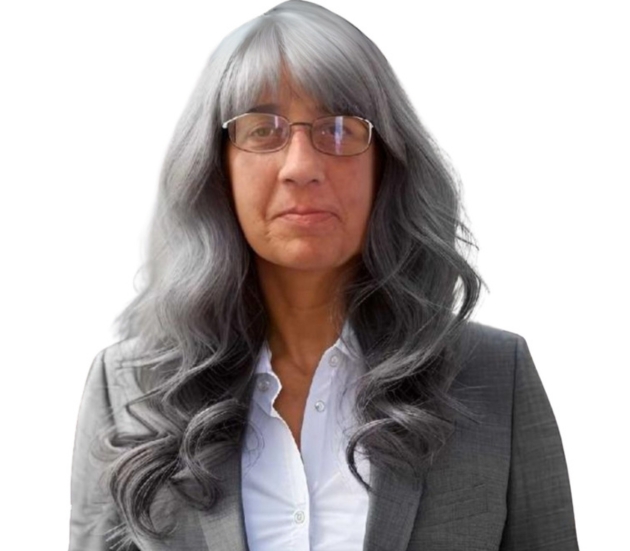
Emer Simpson, SUDP Medical Reviewer
Emer Simpson serves as the Clinical Director for Royal Life Centers’ detox and inpatient facility in Spokane, Washington. As a seasoned Substance Use Disorder Professional (SUDP), she brings a wealth of knowledge and experience to her practice, offering love, guidance, and unwavering belief that no one is beyond healing from the devastating effects of addiction.