Key Takeaways:
- Co-Occurring Disorders: Mental health issues like PTSD, depression, and anxiety often coexist with substance use disorders, creating a cycle where each condition worsens the other.
- Holistic and Culturally Competent Care: Effective treatment combines modern therapies (e.g., CBT, MAT) with traditional healing practices (e.g., sweat lodges, talking circles) to address both mental and spiritual needs.
- Breaking the Stigma: Open conversations about mental health and addiction are essential to healing, as seeking help is a sign of strength, not weakness.
Question:
What’s the connection between mental health and addiction among Native Americans?
Answer:
Mental health and addiction are deeply interconnected challenges in Native communities, often manifesting as co-occurring disorders. These conditions, such as PTSD and substance use, feed into each other, creating a cycle that’s hard to break without addressing both simultaneously. Historical and intergenerational trauma, stemming from events like the boarding school era, has left lasting scars, contributing to these struggles. Healing requires culturally competent care that blends modern treatments like therapy and medication with traditional practices like sweat lodges and talking circles. This holistic approach not only treats the symptoms but also reconnects individuals with their culture and spirit. Breaking the stigma around mental health and addiction is vital, as seeking help is a courageous step toward recovery. By addressing both mental health and addiction together, Native individuals can find a path to wellness that honors their heritage and builds a stronger future.
It often feels like you are fighting a battle on two fronts. On one side, there is the weight of depression, the sharp edge of anxiety, or the lingering shadows of trauma. On the other side, there is the pull of alcohol or drugs—something, anything, to make those feelings stop, even for a moment.
If this sounds familiar to you or a loved one, you are not alone. In our communities, mental health struggles and substance use frequently walk hand-in-hand. It isn’t just “bad luck” or a “lack of willpower.” It is a recognized medical reality known as co-occurring disorders.
Understanding how these two challenges connect is the first step toward true healing. When we treat the whole person—spirit, mind, and body—recovery becomes not just a possibility, but a path forward for our people.
What Are Co-Occurring Disorders?
You might hear doctors or counselors use terms like “dual diagnosis” or “co-occurring disorders.” These are clinical ways of saying that a person has both a mental health condition (like PTSD or depression) and a substance use disorder at the same time.
For many Native Americans, this isn’t a surprising concept. We understand that our internal world affects our actions. When the spirit hurts, we look for medicine. Sometimes, that medicine comes in a bottle or a pill that ends up hurting us more.
The connection between the two works in a cycle:
- Self-Medication: When mental health symptoms become overwhelming, people may turn to substances to numb the pain. Alcohol might temporarily quiet anxious thoughts, or opioids might dull the ache of depression.
- Worsening Symptoms: While substances might offer a brief escape, they almost always make mental health problems worse in the long run. Alcohol is a depressant, which deepens sadness. Stimulants can spike anxiety and paranoia.
- Brain Changes: Long-term substance use changes how the brain processes emotion and stress, making it even harder to cope with mental health challenges without using.
This cycle can feel impossible to break because the two problems feed each other. Trying to stop drinking without addressing the underlying trauma is like putting a bandage on a deep wound without cleaning it first. It might cover the issue for a moment, but it won’t heal.
Looking For Substance Abuse or Mental Health Help?
Get confidential help from our addiction and mental health treatment facilities located across the United States. Call to join one of our quality programs today!
Speak With Our Admissions TeamCommon Mental Health Conditions Linked to Addiction
While everyone is different, certain mental health conditions appear frequently alongside addiction in Native communities. Understanding these can help you identify what might be happening beneath the surface.
Post-Traumatic Stress Disorder (PTSD)
PTSD is incredibly common among our people. It can stem from personal experiences like violence, accidents, or abuse, but it is also deeply tied to historical trauma. Symptoms include flashbacks, nightmares, severe anxiety, and uncontrollable thoughts about the event.
Many people with PTSD use substances to sleep without nightmares or to numb the hyper-vigilance (feeling constantly on guard).
Depression
Depression goes beyond just sadness. It is a persistent feeling of hopelessness, fatigue, and a loss of interest in life. In communities facing poverty, unemployment, and systemic discrimination, depression can feel like a heavy blanket that never lifts.
Alcohol is often used to “feel something” or to escape the numbness, but it ultimately deepens the depressive state.
Anxiety Disorders
Anxiety is more than just worry; it is a physical and mental state of constant fear or dread. It can manifest as panic attacks, social anxiety, or generalized anxiety. To calm the racing heart and the spinning mind, many turn to sedatives or alcohol.
Verify Your Insurance
Looking for quality treatment for substance abuse and mental health that’s also affordable? Aliya's Native American Programs accept most major insurance providers. Get a free insurance benefits check now!
Check Your CoverageWhy Treating One Isn’t Enough
For a long time, the medical system treated addiction and mental health separately. You went to a rehab center for the drinking, and a therapist for the depression. Often, the rehab wouldn’t take you if you were on certain mental health meds, and the therapist wouldn’t see you if you were drinking.
This approach fails because the two are intertwined.
If you treat the addiction but ignore the PTSD, the nightmares and flashbacks will eventually drive you back to the bottle. If you treat the depression but continue to drink heavily, the alcohol will counteract any therapy or medication you are receiving.
The Danger of Partial Treatment
Imagine trying to fix a car with a flat tire and a dead engine. If you only fix the tire, the car still won’t run. If you only fix the engine, you can’t drive anywhere. You have to fix both to move forward.
When we only address the substance use, we leave the person vulnerable to relapse because the emotional pain is still there. This is why “white-knuckling” sobriety—trying to stay sober through sheer willpower without addressing emotional health—rarely works long-term.
Culturally Competent Care: The Missing Piece
Standard treatment programs often miss the mark for Native Americans because they don’t account for our culture or our specific history. They might treat the clinical symptoms but ignore the spiritual disconnect that often accompanies addiction and mental illness.
Culturally competent care means the treatment providers understand Native history, values, and family structures. It means they don’t just see a “patient”; they see a relative.
Integrating Traditional Healing
The most effective treatment for co-occurring disorders in our communities often blends modern evidence-based medicine with traditional healing practices.
Western medicine offers tools like:
- Cognitive Behavioral Therapy (CBT): Helps change negative thought patterns.
- Medication-Assisted Treatment (MAT): Helps manage cravings and withdrawal.
- Trauma-Informed Care: ensures treatment doesn’t re-traumatize the patient.
Native healing offers tools like:
- Sweat Lodges: For purification and prayer.
- Talking Circles: For shared support and community connection.
- Smudging: For cleansing negative energy.
- Connection to Elders: For wisdom and guidance.
When these two worlds come together, recovery becomes holistic. It addresses the chemical imbalance in the brain while also mending the spirit. It reconnects the individual to their culture, which is a powerful protective factor against both addiction and mental illness.
Breaking the Stigma in Our Communities
One of the biggest barriers to getting help for co-occurring disorders is silence. In many of our families, we don’t talk about depression. We don’t talk about the uncle who drinks too much or the cousin who is hurting. We keep it quiet to protect the family name or because we don’t want to seem weak.
But silence is what allows these diseases to grow.
Mental Health is Not Weakness
We come from a lineage of warriors and survivors. We are tough people. Sometimes, we mistake asking for help as a sign that we aren’t tough enough.
The truth is, admitting you are in pain and seeking help is the bravest thing a warrior can do. Dealing with co-occurring disorders takes immense strength. Fighting the battle alone isn’t necessary, and it isn’t effective.
By talking openly about mental health and addiction, we take away their power. We show our children that it is okay not to be okay, and that healing is possible.
What to Look For in a Treatment Program
If you or a loved one needs help, it is crucial to find a program that understands dual diagnosis. Not every rehab is equipped to handle complex mental health needs.
Here is what you should ask when looking for care:
- Do you treat co-occurring disorders simultaneously? Make sure they don’t just focus on detox. They need to have psychiatrists and therapists on staff who can treat depression, anxiety, and trauma while treating the addiction.
- Is the care trauma-informed? The staff should understand how trauma affects the brain and behavior. They should create a safe environment where trust can be built.
- Do you offer culturally specific programming? Ask if they incorporate Native traditions or if they have experience working with Native clients. Being in a place where you don’t have to explain your culture or your history removes a huge burden from the recovery process.
- How do you involve the family? Healing doesn’t happen in isolation. Our families are our strength. A good program will include family therapy or education to help the whole unit heal.
A Path to Wellness
The road to recovery from co-occurring disorders is not a straight line. It has twists and turns. But it is a road worth traveling.
Imagine a life where you don’t have to numb your feelings to get through the day. Imagine waking up without the heavy fog of depression or the shaking hands of withdrawal. Imagine reconnecting with your traditions, your family, and your spirit.
This is the life that is waiting for you. The link between mental health and addiction is strong, but the link between you and your community, your culture, and your own resilience is stronger.
Addressing both sides of the coin—the mental health and the addiction—gives you the foundation to build a future that honors your ancestors and protects your descendants.
If you are ready to stop fighting the battle on two fronts alone, help is available. There are programs designed specifically for our people, by people who understand where you come from and where you want to go.
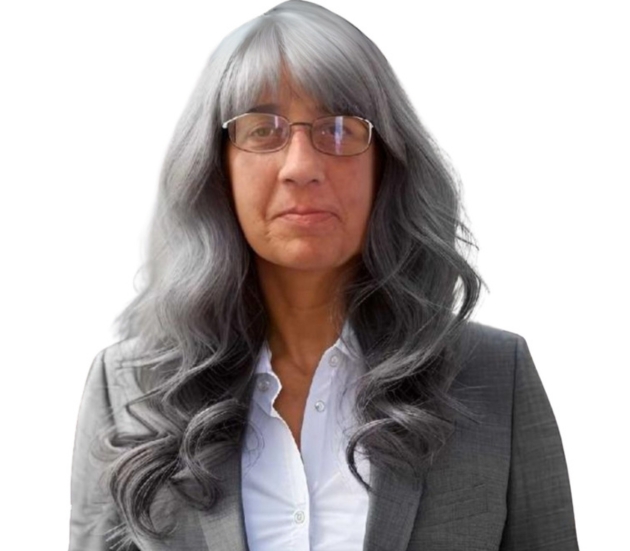
Emer Simpson, SUDP Medical Reviewer
Emer Simpson serves as the Clinical Director for Royal Life Centers’ detox and inpatient facility in Spokane, Washington. As a seasoned Substance Use Disorder Professional (SUDP), she brings a wealth of knowledge and experience to her practice, offering love, guidance, and unwavering belief that no one is beyond healing from the devastating effects of addiction.