Key Takeaways:
- Physical Signs of Addiction: Look for changes in appearance, hygiene, sleep patterns, and unexplained physical symptoms like bloodshot eyes or tremors.
- Behavioral and Emotional Changes: Isolation, mood swings, secrecy, and financial irregularities are common indicators of addiction.
- Spiritual Disconnection: A loss of interest in cultural traditions and a sense of hopelessness can signal deeper struggles.
- Intervention Signals: Escalating consequences, health deterioration, and failed attempts to quit are clear signs it’s time to take action.
Question:
What are some signs a member of the Native American community needs rehab for drugs or alcohol?
Answer:
Recognizing addiction in a Native American loved one requires attention to physical, behavioral, and spiritual changes. Physical signs like poor hygiene and unexplained symptoms often accompany behavioral shifts such as isolation and mood swings. Addiction also disrupts spiritual connections, leading to a loss of interest in cultural traditions and a sense of hopelessness. Early intervention is crucial, especially when health declines or consequences escalate. Aliya Health Group’s Native American Program offers culturally integrated care, combining traditional practices with holistic therapies to support recovery. By identifying these signs and acting with empathy, families can guide their loved ones toward healing.
Watching a loved one struggle with substance use is one of the most painful experiences a family can endure. Whether you are a spouse, parent, sibling, or tribal elder, you likely feel a mix of deep concern, confusion, and fear for their well-being. You want to help, but it can be difficult to know when casual substance use has crossed the line into a dangerous addiction.
Recognizing the early warning signs of addiction is a vital step toward healing. Addiction thrives in isolation and denial, but spotting the red flags allows you to take action and offer your loved one a path back to health. At Aliya Health Group, we believe in treating the whole person to achieve true well-being. Our compassionate approach focuses on restoring clarity, identity, and happiness to someone’s life.
This guide will help you identify the physical, behavioral, and spiritual signs that your loved one may need professional help. We will also explore how to recognize intervention signals so you can step in with love and support before the situation becomes a crisis.
If you already know your loved one needs help, you can explore the addictions we treat to learn more about our specific recovery programs.
Understanding the Physical Signs of Addiction
Substance use disorders often take a visible toll on the body. While your loved one might try to hide their struggles, physical symptoms are usually the first indicators that something is wrong. Paying close attention to these changes can help you recognize when addiction has become dangerous.
Changes in Appearance and Hygiene
When someone is consumed by substance use, their daily priorities shift drastically. Personal care and hygiene often fall by the wayside. You might notice your loved one wearing the same clothes for days, bathing less frequently, or neglecting basic grooming habits. Significant, unexplained weight loss or weight gain is also a common physical indicator of ongoing substance use.
Sleep Disturbances and Energy Shifts
Addiction deeply impacts a person’s natural sleep-wake cycle. You may observe your family member staying awake for days at a time, followed by extended periods of crashing or deep sleep. Alternatively, they might struggle with severe insomnia or appear constantly lethargic. Extreme fatigue, sudden bursts of unnatural energy, or frequent nodding off during conversations are all crucial signs to monitor.
Unexplained Illnesses and Symptoms
The body reacts strongly to the introduction of harmful substances. Keep an eye out for persistent physical symptoms that cannot be explained by a typical illness. These may include:
- Bloodshot or glassy eyes
- Pupils that are unusually large or exceptionally small
- Frequent nosebleeds
- Tremors, shaking, or slurred speech
- Unexplained bruises or track marks on the arms and legs
If you are noticing these physical signs and feel ready to seek guidance, our admissions team is always available to answer your questions and provide clear, supportive options.
Looking For Substance Abuse or Mental Health Help?
Get confidential help from our addiction and mental health treatment facilities located across the United States. Call to join one of our quality programs today!
Speak With Our Admissions TeamRecognizing Behavioral and Emotional Changes
Addiction changes how a person thinks, acts, and interacts with the people around them. Often, the behavioral shifts are more heartbreaking than the physical ones, as it can feel like you are losing the person you know and love.
Isolation and Withdrawal
One of the most common signs that someone is struggling is a sudden withdrawal from family and community life. A loved one who previously enjoyed attending family dinners, tribal gatherings, or community ceremonies may suddenly start making excuses to stay home. They might isolate themselves in their bedroom, avoid eye contact, and stop communicating with spouses, parents, and siblings.
Mood Swings and Irritability
Substances alter the brain’s chemistry, leading to unpredictable emotional responses. You may notice your loved one becoming easily agitated, deeply depressed, or unusually aggressive over minor inconveniences. These extreme mood swings are often tied to the highs of using a substance or the painful lows of withdrawal.
Secrecy and Deception
When someone is trapped in a cycle of addiction, they often go to great lengths to hide their substance use. This can manifest as lying about their whereabouts, hiding alcohol or drugs around the house, or being overly defensive when asked simple questions. You might also notice money disappearing from wallets, valuable items going missing, or frequent requests to borrow cash without a clear explanation of how it will be spent.
Spotting the Spiritual Disconnection
For many Native American families, spirituality and community connection are the foundation of a healthy life. Addiction often creates a profound spiritual emptiness. Recognizing this disconnection is essential, as spiritual healing is a critical component of lasting recovery.
Loss of Interest in Traditions
A clear sign that your loved one is struggling is a sudden disinterest in cultural practices and traditions that once held deep meaning for them. They may stop participating in sweat lodges, talking circles, or traditional prayers. This disconnect from their heritage can leave them feeling unanchored and lost.
At Aliya Health Group, we understand that recovery is not just about quitting drugs—it is about rebuilding a life that feels whole and purposeful. That is why our Native American curriculum integrates traditional healing practices with modern clinical therapies to address this spiritual void.
A Sense of Hopelessness
Addiction often strips away a person’s sense of purpose. Your loved one might express feelings of intense shame, guilt, or worthlessness. They may speak as though their life lacks direction or meaning. Reconnecting them to their culture and community can reignite their spirit. Programs rooted in the Wellbriety movement emphasize that recovery is possible through cultural teachings, forgiveness, and community support, offering a beacon of hope for those who feel lost.
Recognizing Intervention Signals: When to Take Action
Knowing when to step in is just as important as knowing what to look for. Families often wait until a catastrophic event—like an arrest, an overdose, or a severe medical emergency—before seeking help. However, stepping in early can prevent these devastating outcomes.
Here are key intervention signals that indicate it is time to take action:
- The consequences are escalating: They have lost a job, dropped out of school, or are facing legal troubles due to their substance use.
- Their health is deteriorating: They are experiencing chronic pain, infections, or organ issues directly related to drug or alcohol consumption.
- They cannot stop despite wanting to: Your loved one has tried to quit on their own but quickly relapses, experiencing severe withdrawal symptoms in the process.
- Family dynamics are breaking down: The household is filled with constant tension, arguments, and fear regarding the loved one’s behavior.
If you recognize these signals, do not wait for the situation to worsen. Intervening with empathy and clear boundaries can guide them toward a safer path.
Drum Making and Cultural Activities: Restoring Connection
Drum making holds a sacred place in many Native American communities, serving as both a creative outlet and a powerful tool for healing. At Aliya, this traditional practice is thoughtfully woven into the treatment process, offering guests a meaningful way to reconnect with their heritage. Through drum making, individuals are invited to engage in hands-on creation, guided by Native American elders and cultural facilitators who share stories, songs, and teachings throughout the experience.
This activity is more than just crafting an instrument—it’s an opportunity for self-expression, emotional release, and the rebuilding of self-confidence. As guests shape and decorate their drums, they rediscover pride in their cultural identity and find comfort in the rhythms that have echoed through generations. The process is often accompanied by group discussions and traditional ceremonies, fostering a supportive and caring environment where each person feels seen and valued.
By integrating drum making and other cultural activities into the treatment process, Aliya honors the interconnectedness of mind, body, and spirit. This holistic approach not only restores balance and harmony but also helps guests build lasting connections with themselves, their community, and their ancestral roots.
Overcoming Barriers to Treatment
For many Native American communities, seeking substance abuse treatment can be fraught with obstacles. Limited access to healthcare, historical trauma, and a lack of culturally sensitive services often stand in the way of recovery. Royal Life Centers is committed to breaking down these barriers by offering a culturally competent treatment program designed specifically for Native American guests.
At the heart of this approach is a welcoming space where guests are met with respect, understanding, and genuine care. The staff at Aliya are trained to recognize and honor the unique experiences of Native American individuals, including the impact of intergenerational trauma and the importance of traditional healing practices. Through individual counseling, group therapy, and medication-assisted treatment, guests receive comprehensive support tailored to their needs.
The Wellbriety certified treatment program at Aliya goes beyond conventional substance abuse treatment by integrating traditional healing practices that restore life’s natural order and balance. Sweat ceremonies, talking circles, and other ancestral rituals are incorporated alongside evidence-based therapies, ensuring that each guest’s journey is both culturally relevant and deeply healing. By addressing the root causes of substance abuse and providing a supportive environment, Aliya empowers guests to overcome obstacles and achieve lasting recovery.
Finding the Right Support for Your Loved One
Approaching a family member about their addiction requires care, patience, and a well-thought-out plan. Use gentle, supportive language. Instead of saying, “You are ruining your life,” try saying, “I love you, and I am worried about your health. I want to help you feel like yourself again.”
Recovery is a journey that requires professional, compassionate guidance. Aliya Health Group is a nationwide network of addiction and mental health treatment centers known for diverse, evidence-based programs. We combine the latest scientific advancements with deeply empathetic care.
Our programs utilize holistic services to ensure that your loved one’s mind, body, and spirit are nurtured throughout their recovery. From traditional therapies to nutritional support and mindfulness practices, we treat the whole person.
We also understand that navigating the logistics of rehab can be overwhelming for families. If you are concerned about how to pay for treatment, our team can help you with insurance verification to ensure your loved one gets the care they need without unnecessary financial stress.
Take the Next Step Toward Healing
You do not have to watch your loved one suffer in silence, and you do not have to carry this burden alone. Recognizing the signs of addiction is the first, bravest step toward helping them heal. By taking action early, you are offering them a bridge back to their family, their community, and their true self.
If you have recognized the physical, behavioral, or spiritual signs discussed in this guide, it is time to prepare for the next step.
Verify Your Insurance
Looking for quality treatment for substance abuse and mental health that’s also affordable? Aliya's Native American Programs accept most major insurance providers. Get a free insurance benefits check now!
Check Your CoverageThe Healing Power of Cultural Connection
For Native Americans, culture is prevention, and culture is treatment. Traditional practices offer powerful tools for emotional regulation, spiritual grounding, and community building. When these elements are woven into a Native American curriculum, recovery transforms from a clinical process into a profound spiritual journey.
Reconnecting with your heritage provides a sense of belonging that addiction often destroys. Substance use isolates people, pulling them away from their families, their elders, and their traditions. Recovery is the process of coming back home.
In a culturally specific program, you learn to draw strength from your roots. You realize that the resilience needed to overcome addiction is the exact same resilience that has kept Native communities alive through centuries of hardship. That realization is empowering. It shifts the focus from what is broken to what is strong.
Embracing the Wellbriety Movement
One of the most powerful frameworks for Native recovery is the Wellbriety movement. Wellbriety goes beyond simple sobriety. It means living a life of balance and harmony—physically, mentally, emotionally, and spiritually.
The Wellbriety movement adapts the traditional 12-Step model to align with Native American teachings, such as the Medicine Wheel. It emphasizes that healing must include the individual, the family, and the community. By incorporating the White Bison curriculum and the teachings of the elders, Wellbriety provides a culturally resonant path to wellness. It teaches that the journey to an alcohol- and drug-free life is intertwined with learning about and returning to cultural values.
What Culturally Aware Treatment Looks Like
You might be wondering what culturally specific treatment actually looks like in practice. How does it differ from a standard 30-day program? A truly culturally competent facility weaves traditional practices into the daily schedule, right alongside group therapy and individual counseling.
Here are some of the ways traditional practices support clinical recovery:
Traditional Ceremonies and Rituals
Access to holistic services like smudging with sage, sweetgrass, or cedar helps individuals center themselves before therapy sessions. It cleanses negative energy and prepares the mind and spirit for the hard work of emotional processing.
Sweat Lodges
The sweat lodge ceremony is a cornerstone of purification and prayer for many tribes. In a treatment setting, participating in a sweat provides a powerful physical and spiritual release. It allows individuals to sweat out toxins while praying for guidance and strength in their sobriety.
Talking Circles
Instead of standard clinical group therapy, culturally specific programs often use talking circles. Using a talking stick or feather, everyone gets an equal opportunity to speak without interruption. This format respects the Native tradition of oral storytelling and creates a deeply empathetic environment where peers can share their struggles and triumphs.
Access to Elders and Spiritual Guides
Having elders and spiritual advisors involved in the treatment process provides a level of mentorship and guidance that clinical staff cannot replicate. Elders carry the wisdom of the community. They help individuals reconnect with their specific tribal traditions, offering prayers, stories, and unconditional support.
Choosing a Safe Space for Your Recovery
Deciding to enter treatment is a vulnerable choice. You deserve to be in an environment where you feel entirely safe, seen, and respected. When evaluating treatment options, do not hesitate to ask direct questions about their cultural competency.
Ask the facility how they incorporate Native teachings. Inquire about their staff—do they have Native counselors or established relationships with local elders? Find out if they allow traditional medicines and ceremonies on site. A program that truly respects Native healing will gladly answer these questions and explain their approach.
Culturally specific treatment recognizes that your identity is your greatest strength. It does not ask you to conform to a western medical model. Instead, it meets you where you are, honoring your ancestors, your community, and your spirit.
If you are ready to take the next step toward a balanced, healthy life, you do not have to do it alone. Start the journey by exploring admissions to a program that honors your heritage. You can also easily complete an insurance verification to understand your coverage options and make the process as seamless as possible.
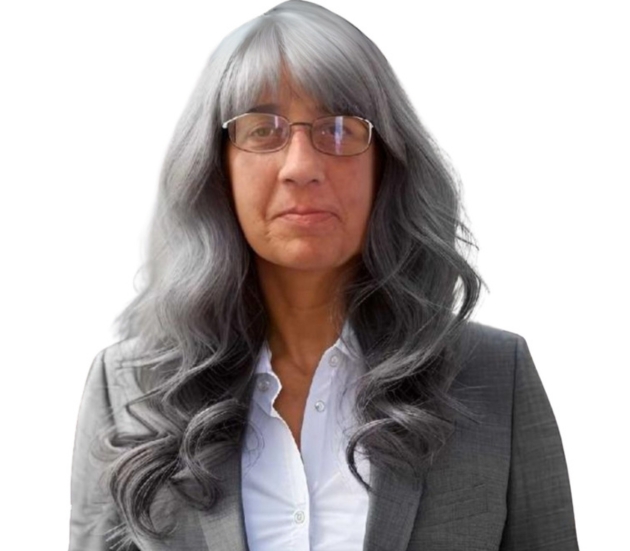
Emer Simpson, SUDP Medical Reviewer
Emer Simpson serves as the Clinical Director for Royal Life Centers’ detox and inpatient facility in Spokane, Washington. As a seasoned Substance Use Disorder Professional (SUDP), she brings a wealth of knowledge and experience to her practice, offering love, guidance, and unwavering belief that no one is beyond healing from the devastating effects of addiction.