Key Takeaways:
- Native American treatment centers provide addiction and mental health care grounded in Indigenous culture, traditions, and values.
- Culturally focused healing is essential because it reconnects individuals with identity, tradition, and spiritual balance.
- Native American communities experience disproportionately high rates of substance use disorders, PTSD, and depression due to intergenerational trauma and socioeconomic challenges.
- Access to treatment is often limited by geographic isolation, transportation issues, and inadequate healthcare infrastructure.
- When cultural practices are included in treatment, Native Americans often experience higher long-term abstinence and recovery success.
Question:
How can Native American treatment centers help?
Answer:
For many Native American individuals and families, seeking help for substance use or mental health challenges can feel overwhelming. Standard treatment programs may not always understand — or honor — the cultural, historical, and spiritual contexts that shape a person’s identity, values, and healing needs. That’s where Native American treatment centers come in: rehab and behavioral-health programs that blend clinically sound care with respect for tradition, community, and identity.
Understanding Native American Treatment Centers
Native American treatment centers are specialized healing environments designed to serve Indigenous people with culturally grounded addiction treatment, mental health support, and holistic recovery services. We offer compassionate care built on trust, tradition, and community.
These centers don’t just address addiction symptoms; they honor the whole person—mind, body, spirit, and culture.
Why Culturally Focused Healing Matters
For generations, Indigenous communities have carried the weight of intergenerational trauma caused by colonization, loss of land, and forced assimilation. This collective pain often leads to higher rates of substance abuse, depression, and anxiety.
Culturally centered healing recognizes:
- The importance of tribal identity
- The sacred role of tradition and ceremony
- The power of restoring balance
Native American treatment centers don’t just help individuals recover—they help them reconnect with who they truly are.
Native American Substance Abuse Challenges
The scope of substance abuse challenges within Native American communities requires specialized attention and culturally informed treatment approaches. Statistical data reveals disproportionate rates of substance use disorders, PTSD, and depression compared to the general population. These disparities stem from complex historical and social factors that mainstream treatment facilities often fail to address adequately. The impact of historical trauma, including forced assimilation policies, boarding schools, and land displacement, continues to affect families and communities across generations.
Socioeconomic factors further complicate access to treatment and recovery outcomes. Many tribal communities face geographic isolation, limited transportation options, and inadequate healthcare infrastructure. However, research consistently shows that Native Americans who do achieve recovery often maintain higher abstinence rates compared to other populations, particularly when treatment incorporates cultural elements and traditional healing practices.
Looking For Substance Abuse or Mental Health Help?
Get confidential help from our addiction and mental health treatment facilities located across the United States. Call to join one of our quality programs today!
Speak With Our Admissions TeamThe Healing Philosophy Behind Native American Programs
The heart of these programs is holistic healing. Unlike mainstream treatment centers that often focus solely on clinical therapy, Indigenous programs take a more balanced approach.
Integrating Tribal Traditions in Recovery
Treatment frequently includes:
- Sweatlodge ceremonies for purification
- Talking circles for open sharing
- Traditional storytelling to restore wisdom
- Drumming and music therapy for spiritual grounding
- Cultural workshops for reconnecting with identity
By blending tradition with clinical care, these programs offer healing that resonates deeply within the spirit.
Wellbriety Certification and White Bison Programs
The Wellbriety movement represents a significant advancement in culturally appropriate addiction treatment. Through an annual certification process, facilities must demonstrate cultural competency standards and commitment to integrating traditional healing methods with recovery services.
Wellbriety-certified programs utilize the medicine wheel framework, which addresses spiritual, physical, mental, and emotional healing as interconnected aspects of wellness. This holistic approach recognizes that addiction affects all dimensions of a person’s life and requires comprehensive intervention.
These programs successfully integrate 12-step recovery principles with traditional Native healing methods, creating a culturally relevant pathway that respects both indigenous wisdom and proven therapeutic approaches. Peer support training within Wellbriety programs creates future community healers who can provide ongoing support and mentorship.
The certification process ensures that facilities maintain appropriate relationships with tribal elders, incorporate authentic ceremonial practices, and provide staff training on cultural competency. This standardization helps families identify quality programs that truly honor Native traditions while providing effective treatment.
Verify Your Insurance
Looking for quality treatment for substance abuse and mental health that’s also affordable? Aliya's Native American Programs accept most major insurance providers. Get a free insurance benefits check now!
Check Your CoverageFinding the Right Native American Treatment Center
Selecting an appropriate treatment facility requires careful evaluation of several key factors that determine both treatment quality and cultural authenticity. Families should approach this decision with thorough research and clear criteria for assessing potential programs.
Wellbriety certification represents the gold standard for culturally competent addiction treatment. Certified facilities have demonstrated commitment to authentic integration of traditional healing practices with evidence-based treatment methods. Verification of current certification status ensures that programs meet established cultural competency standards.
The availability of traditional ceremonies and spiritual practices should be confirmed during initial consultations. Authentic programs maintain relationships with tribal elders and traditional healers who can provide legitimate ceremonial guidance. Facilities should be able to describe specific ceremonies offered and explain how they integrate with clinical treatment protocols.
Dual-diagnosis capabilities are essential for addressing co-occurring mental health disorders that frequently accompany substance abuse in Native populations. Programs should offer psychiatric services, trauma-informed care, and specialized treatment for PTSD, depression, and anxiety disorders.
How the Aliya Native American Program Supports Healing
The Native American Program at Aliya Health Group provides culturally respectful, comprehensive care designed specifically for Indigenous individuals and families. Our mission is to honor Native traditions while offering modern behavioral health and addiction treatment that empowers communities.
Our services include:
- Trauma-informed therapy
- Substance abuse counseling
- Cultural ceremonies and teachings
- Traditional healing support
- Long-term recovery planning
If you wish to learn more, please visit our site or contact us by phone or text – one of our Native American treatment specialists is standing by to assist you.
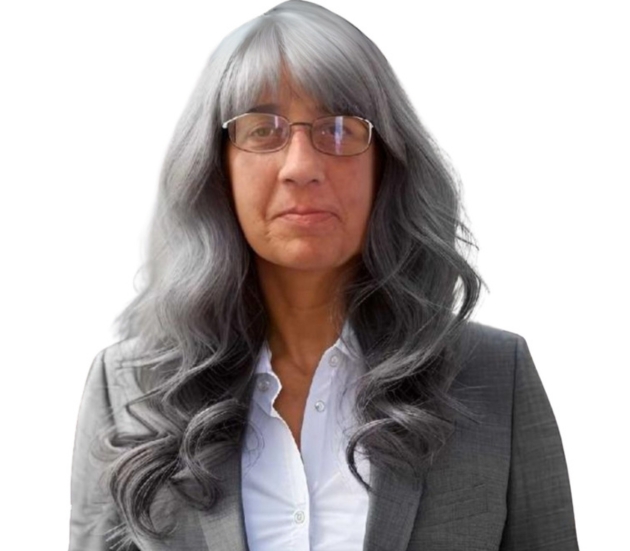
Emer Simpson, SUDP Medical Reviewer
Emer Simpson serves as the Clinical Director for Royal Life Centers’ detox and inpatient facility in Spokane, Washington. As a seasoned Substance Use Disorder Professional (SUDP), she brings a wealth of knowledge and experience to her practice, offering love, guidance, and unwavering belief that no one is beyond healing from the devastating effects of addiction.

- What Does Laced Weed Look Like? - January 23, 2026
- Understanding the Fentanyl Fold: Warning Signs and Treatment Options - January 20, 2026
- Delayed Emotional Response: What It Is, Why It Happens, and How to Heal - January 19, 2026