Key Takeaways
- Native Americans have the highest rates of substance use disorders in the United States, with nearly one in four experiencing substance abuse issues compared to other ethnic groups.
- Native American youth begin experimenting with substances earlier than the general population, with over half of eighth graders reporting alcohol and marijuana use, versus 16.4% nationally
- Effective treatment for Native American substance abuse requires culturally sensitive approaches that combine evidence-based practices with traditional healing methods and respect for tribal sovereignty
- Addressing this crisis demands understanding both the historical roots and implementing community-driven solutions that honor indigenous culture
Question:
What are Native American substance abuse rates like and why are they so high?
Answer:
Addressing Native American substance abuse requires sensitivity, cultural understanding, and awareness of the historical factors that shape Indigenous health today. This guide aims to shed light on the realities of Native American substance abuse, while offering compassionate treatment for those seeking recovery.
The Scope of Substance Abuse in Native American Communities
Despite representing only about 1.7% of the U.S. population, Native Americans carry a disproportionately high burden of substance use disorders. According to national survey data, approximately 10-12.8% of Native Americans have substance use disorders, making them the ethnic group with the highest prevalence rates in the nation.
The statistics on Native American substance abuse paint a sobering picture. Native Americans report binge drinking rates of nearly 25% in the past month, more than twice that of many other ethnic groups. When examining illicit drug use, Native Americans show the highest rates across multiple categories, highlighting the need for effective Native American substance abuse treatment programs. Perhaps most alarming, methamphetamine abuse rates among Native Americans are more than three times higher than any other racial group.
What Drives Native American Substance Abuse?
While addiction affects people of all backgrounds, Native American communities face unique vulnerabilities shaped by trauma, social inequities, and historical disruption.
The story of substance misuse among Indigenous peoples cannot be separated from:
- Forced relocation
- Loss of traditional lands
- Boarding school trauma
- Cultural suppression
- Generational grief
The full story is complex and beyond the scope of this article. Needless to say, these factors have deeply influenced mental health, identity, and stability. Understanding this context helps for understanding the drivers of substance abuse in Native American communities, and helps treatment providers create more respectful and effective solutions.
Looking For Substance Abuse or Mental Health Help?
Get confidential help from our addiction and mental health treatment facilities located across the United States. Call to join one of our quality programs today!
Speak With Our Admissions TeamNative American Substance Abuse Statistics
There are several substances whose usage is particularly prevalent in Native American communities.
These include:
- Alcohol
- Opioids
- Methamphetamines
- Marijuana
- Tobacco
Alcohol Abuse and Native Americans
Alcohol remains the primary substance of concern when it comes to substance abuse in Native American communities, with alcohol use patterns showing distinct characteristics. Research identifies different categories of alcohol consumption, including anxiety drinkers who use alcohol to self-medicate painful feelings related to cultural alienation, and recreational binge drinkers who maintain stronger cultural connections but face increased risks of violence and accidents.
Alcohol-related deaths among Native Americans occur at rates approximately five times higher than the national average. Liver disease, alcohol-involved traffic accidents, and alcohol-related violence contribute significantly to reduced life expectancy in many tribal communities. Particularly concerning is the connection between alcohol misuse and domestic violence, which affects women and children disproportionately.
Native American Meth Abuse
Methamphetamine has emerged as a particularly devastating substance in many native communities, with some sources reporting that Native Americans have the highest methamphetamine abuse rates across all ethnic groups, with past-month use rates substantially higher than other populations. The drug’s availability along trafficking corridors that often cross or border tribal lands has exacerbated this crisis.
Native American Opioid Abuse
Opioid abuse presents another critical challenge, particularly among Native American youth. Prescription opiate misuse rates are two to three times higher among American Indian youth compared to the general population. In Washington state for the years 2013-2015 (the height of the opioid crisis), for example, American Indian and Alaska Native overdose deaths occurred at 2.7 times the rate of white Americans, highlighting the severe impact on these communities and the need for a Native American substance abuse treatment program in the state of Washington.
Traditional tobacco holds sacred significance in many indigenous communities, used in ceremony and prayer. However, commercial tobacco use among native americans reaches approximately 40% according to national institute surveys, contributing to elevated rates of lung disease and cancer. This distinction between sacred and commercial tobacco use represents an important cultural nuance often overlooked in public health discussions.
The crisis hits particularly hard among Native American youth, who begin experimenting with substances at younger ages than their peers in other ethnic groups. Marijuana usage among eighth graders in Native communities is roughly 56.2% of the total for this demographic, compared to just 16.4% in the general population—a disparity that has profound implications for educational outcomes and long-term health.
Barriers That Prevent Native Americans From Getting Treatment
Despite the high need for Native American substance abuse treatment, many Native Americans do not receive adequate care.
The most common barriers include:
- Lack of culturally appropriate treatment centers that respect Indigenous healing traditions.
- Distrust of mainstream healthcare systems due to a long history of mistreatment.
- Insufficient behavioral health resources in tribal and rural regions.
- Financial challenges, insurance limitations, or lack of coverage.
- Stigma related to addiction and mental health can prevent individuals from seeking help.
- Limited awareness of Native American substance abuse treatment programs, including those designed specifically for Native populations.
These barriers highlight the need for more culturally competent, accessible treatment programs when it comes to substance abuse in Native American communities.
What Works: Culturally Grounded Approaches to Healing
An effective Native American substance abuse treatment program will focus on a few things:
- Traditional Healing Practices: Ceremonies, talking circles, smudging, sweat lodges, prayer, and reconnection to ancestral traditions help restore a sense of identity and belonging.
- Trauma-Informed Care: Addressing intergenerational trauma is essential. Trauma-informed therapy helps individuals heal the root causes of Native American substance abuse, not just the symptoms.
- Holistic Treatment: Healing the mind, body, and spirit together creates a more balanced recovery process.
- Community and Family Involvement: Recovery is stronger when families and tribal communities are included in the healing journey.
- Culturally Competent Staff: Programs led by culturally aware clinicians create a safe, respectful environment for Native clients.
Verify Your Insurance
Looking for quality treatment for substance abuse and mental health that’s also affordable? Aliya's Native American Programs accept most major insurance providers. Get a free insurance benefits check now!
Check Your CoverageThe Native American Program at Aliya Health Group
Aliya Health Group’s Native American Program was created specifically for those seeking addiction treatment that honors Indigenous culture, identity, and community.
What Sets the Program Apart:
- Partnership with tribal communities, encouraging reconnection to culture and tradition.
- Integration of traditional healing practices with modern clinical treatment.
- Trauma-informed, holistic approach focused on mind, body, and spirit.
- Support for both Native and non-Native clients, with an emphasis on cultural humility.
- Comprehensive levels of care, including detox, residential treatment, and behavioral health services.
This combination allows clients to experience meaningful, culturally grounded healing while also benefiting from evidence-based Native American substance abuse and mental health treatment.
A Path Forward: Healing, Community, and Hope
Addressing Native American substance abuse requires more than just treatment — it requires healing at the individual, family, and community levels. With culturally responsive, Wellbriety-certified programs like the Native American Program at Aliya Health Group, individuals have access to care that honors who they are and where they come from.
We offer Native American substance abuse treatment in multiple states, including California, Colorado, Oklahoma, Washington, and others. If you are not in those states, we can help you travel for treatment.
If you are interested in getting treatment, please reach out — we are ready to talk day and night and all conversations are entirely confidential.
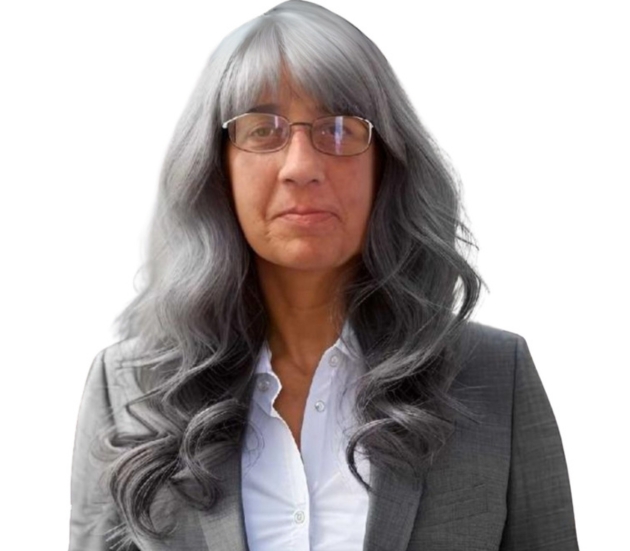
Emer Simpson, SUDP Medical Reviewer
Emer Simpson serves as the Clinical Director for Royal Life Centers’ detox and inpatient facility in Spokane, Washington. As a seasoned Substance Use Disorder Professional (SUDP), she brings a wealth of knowledge and experience to her practice, offering love, guidance, and unwavering belief that no one is beyond healing from the devastating effects of addiction.

- What Does Laced Weed Look Like? - January 23, 2026
- Understanding the Fentanyl Fold: Warning Signs and Treatment Options - January 20, 2026
- Delayed Emotional Response: What It Is, Why It Happens, and How to Heal - January 19, 2026