Key Takeaways
- Native American behavioral health services integrate traditional cultural practices with evidence-based treatments like cognitive-behavioral therapy, motivational interviewing, and EMDR to provide holistic care that respects Indigenous traditions
- Multiple healthcare coverage options are available including Indian Health Service (IHS), Medicaid, Medicare, and Marketplace plans that must cover essential behavioral health benefits with equal protection for mental health and physical health services
- Historical trauma from colonization, forced relocations, and cultural suppression significantly impacts mental health outcomes in Indigenous communities, requiring specialized trauma-informed care approaches
- Over 3 million Indigenous people in the U.S. belong to 500+ federally recognized nations, with most living in urban centers rather than reservations, necessitating accessible services in diverse locations
- 24/7 crisis support lines and culturally trained professionals provide specialized care that respects Indigenous traditions and community values while delivering evidence-based treatment
Question:
What are Native American mental health services?
Answer:
Native American communities have long faced profound mental health challenges, shaped by historical trauma, systemic oppression, and a lack of access to culturally relevant care. Today, Native American mental health services are evolving—integrating evidence-based treatment with cultural traditions, community values, and tribal support systems. This approach honors heritage while ensuring individuals receive the clinical care they need for long-term wellness.
If you or a loved one is searching for mental health or addiction support, understanding how culturally specific Native American mental health services work can help you find the right path forward.
Understanding Native American Mental Health Services
Native American behavioral health encompasses the emotional, psychological, social, and spiritual well-being of Indigenous communities across Turtle Island. Unlike conventional mental health approaches, behavioral health services for Native communities recognize the interconnectedness of mind, body, spirit, and community in achieving overall health and balance.
Comprehensive behavioral health services include individual psychotherapy, group treatment programs, family counseling, substance use treatment, and cultural integration programs that honor tribal traditions. These services acknowledge that Indigenous peoples have unique experiences shaped by cultural identity, historical trauma, and ongoing systemic challenges that require specialized care approaches.
The community-focused approach respects tribal affiliations and cultural traditions while incorporating evidence-based practices adapted specifically for Indigenous populations. Behavioral health providers understand that effective treatment must address not only individual symptoms but also strengthen connections to family members, community, and cultural practices that promote healing and resilience.
Professional behavioral health services recognize the diversity among the 500+ federally recognized tribes, each with distinct languages, customs, and healing traditions. This understanding guides the development of culturally responsive treatment programs that speak to the unique needs of each community while maintaining respect for tribal sovereignty and self-determination.
The Need for Native American Mental Health Services
Mental health needs in Native communities are significant. Historical trauma, socioeconomic disparities, and limited access to care have contributed to higher-than-average rates of depression, anxiety, PTSD, addiction, and suicide. For many, mainstream mental health care fails to address cultural identity, generational experiences, or spiritual beliefs—leading to a disconnect between clients and providers.
Culturally sensitive mental health services help bridge that gap. These programs integrate Native cultural practices with modern clinical therapies, creating a holistic, respectful, and effective model of support.
Historical Context and Cultural Considerations
Understanding the historical context is crucial for providing effective native american behavioral health services to Indigenous communities. The impacts of colonization, forced assimilation, and systemic oppression have created lasting effects that continue to influence mental health outcomes today.
Timeline of Historical Trauma
The forced relocations, including the Cherokee Trail of Tears in the 1830s and the Navajo Long Walk in the 1860s, displaced entire nations from their ancestral lands, severing connections to sacred places and traditional ways of life. The General Allotment Act of 1887 further disrupted tribal communities by breaking up reservation lands and undermining collective ownership structures that were fundamental to Indigenous culture.
Government policies led to the termination of over 100 Indigenous nations, attempting to eliminate tribal recognition and federal obligations to provide health services. The boarding school system forcibly separated children from their families, criminalizing Indigenous ceremonies and languages while imposing Western education and religious practices.
These historical events created intergenerational trauma that contributes to higher rates of post-traumatic stress disorder, substance use disorders, depression, and suicide in Native communities. Research shows that trauma experienced by one generation can be passed down through biological, psychological, and social mechanisms, affecting the mental health of descendants who may have never directly experienced the original traumatic events.
Demographics and Tribal Diversity
Over three million Indigenous people live in the United States, representing more than 500 federally recognized nations, each with distinct languages, customs, and governance structures. Contrary to popular belief, most Indigenous people live in urban centers rather than on reservations, with cities like Los Angeles, New York, and Phoenix having large Native populations.
The diversity among tribal communities means that behavioral health providers must understand that there is no single “Native American” culture. Preferred terminology varies, with some individuals identifying as “American Indian,” others as “Native American,” “First Nations,” or simply by their specific tribal affiliation. The term “Indigenous” is increasingly used as an inclusive identifier, while “Turtle Island” refers collectively to the lands now known as the United States and Canada.
This cultural diversity requires behavioral health providers to develop cultural competency specific to the communities they serve, avoiding stereotypes while honoring the unique traditions and values of each tribal nation.
Looking For Substance Abuse or Mental Health Help?
Get confidential help from our addiction and mental health treatment facilities located across the United States. Call to join one of our quality programs today!
Speak With Our Admissions TeamWhat Makes Native American Mental Health Services Different?
- Culturally Competent Counseling
Therapists who understand Native values, community structures, and traditions are better equipped to build trust and deliver meaningful care. Culturally competent therapy often incorporates:
- Traditional storytelling
- Mind-body-spirit healing frameworks
- Respect for community and family ties
- Spiritual or ceremonial elements (when appropriate)
This culturally informed approach helps clients feel seen, understood, and respected.
- Addressing Intergenerational Trauma
Many Native individuals carry trauma that spans generations—including forced relocation, boarding schools, cultural suppression, and historical injustices. Effective Native American trauma treatment acknowledges these experiences and offers therapies such as:
- EMDR (Eye Movement Desensitization and Reprocessing
- Trauma-focused cognitive behavioral therapy
- Culturally integrated trauma processing
Healing historical and intergenerational trauma is essential for restoring balance and well-being.
- Holistic, Whole-Person Care
Traditional Native healing emphasizes the balance of body, mind, emotions, and spirit. Modern programs combine this philosophy with clinical care, offering:
- Behavioral therapy
- Group counseling
- Traditional healing activities
- Stress-management techniques
- Cultural education
- Relapse-prevention skills
This blended approach honors heritage while giving individuals the tools they need to thrive.
Verify Your Insurance
Looking for quality treatment for substance abuse and mental health that’s also affordable? Aliya's Native American Programs accept most major insurance providers. Get a free insurance benefits check now!
Check Your CoverageDual Diagnosis Treatment for Native Americans
Many Native American mental health services include dual diagnosis treatment, which addresses mental health disorders and substance use disorders together. This is especially important because many individuals turn to substances to cope with untreated trauma or emotional pain.
Dual diagnosis programs may include:
- Individual therapy
- Group therapy
- Psychiatric care
- Medication management
- Addiction treatment
- Aftercare planning
Integrated care gives clients the best chance at long-term recovery.
A Path Toward Healing: You Don’t Have to Do This Alone
If you or someone you love are trying to access culturally sensitive Native American mental health services, the Native American Program can provide the support and understanding you need. These programs honor tradition, empower healing, and help individuals build a healthier, more balanced future.
- SAMHSA, C. for B. H. S. and Q. (n.d.-a). Substance use and mental health issues among U.S.-born American Indians or Alaska natives residing on and off tribal lands. https://www.samhsa.gov/data/sites/default/files/cbhsq-reports/DRAIANTribalAreas2018/DRAIANTribalAreas2018.htm
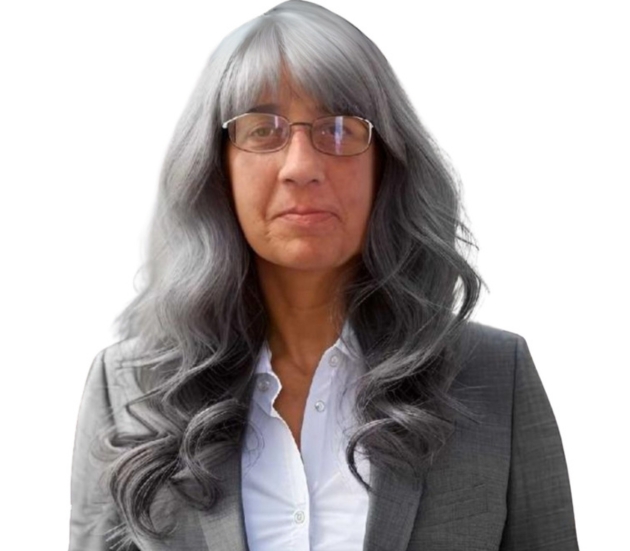
Emer Simpson, SUDP Medical Reviewer
Emer Simpson serves as the Clinical Director for Royal Life Centers’ detox and inpatient facility in Spokane, Washington. As a seasoned Substance Use Disorder Professional (SUDP), she brings a wealth of knowledge and experience to her practice, offering love, guidance, and unwavering belief that no one is beyond healing from the devastating effects of addiction.

- What Does Laced Weed Look Like? - January 23, 2026
- Understanding the Fentanyl Fold: Warning Signs and Treatment Options - January 20, 2026
- Delayed Emotional Response: What It Is, Why It Happens, and How to Heal - January 19, 2026