Key Takeaways:
- Laced weed often appears almost normal to the naked eye, but red flags like unusual smells, strange taste, unnatural crystals, or powdery residue can signal contamination.
- Visual checks alone are not enough—many dangerous drugs like fentanyl or PCP can be completely invisible on the bud, making effects and testing more reliable than appearance.
- Marijuana from unregulated street sources, particularly after 2010, has been repeatedly found contaminated with substances including glass, laundry detergent, fungi, and incredibly potent drugs.
- The safest way to completely avoid laced weed is to buy only from licensed dispensaries with lab-tested products—or to not use marijuana at all.
- This article covers what laced marijuana looks like, how it feels, its main dangers, and what to do if someone thinks they smoked weed laced with other substances.
Question:
What does laced weed look like?
Answer:
Cannabis is often perceived as a relatively low-risk substance, especially as legalization spreads across the U.S. However, one growing and dangerous concern is laced weed—marijuana that has been mixed or contaminated with other substances such as fentanyl, synthetic cannabinoids, or stimulants. Knowing what laced weed looks like (and how it behaves) can be critical for preventing serious health consequences, overdose, or death.
Below, we’ll break down how to identify potentially laced marijuana, common substances used to lace weed, warning signs after use, and what to do if you suspect contamination.
What Does “Laced” Weed Mean?
Laced weed refers to marijuana that has been deliberately or accidentally mixed, sprayed, dusted, or coated with other drugs or chemicals. When someone talks about weed being “laced,” they’re typically referring to hidden additives—things like PCP, fentanyl, glass, or laundry detergent—that the user did not agree to consume and may not even know are present.
Intentional lacing of marijuana is less common than with drugs like cocaine or MDMA, but documented cases from the 2000s through the 2020s prove it does happen, especially in illegal markets. Dealers may lace weed to make weak product seem more potent, create a different kind of high, or simply increase weight and profits.
Contamination can also be unintentional. Cannabis grown in polluted soil may absorb heavy metals or pesticides. Weed stored in places contaminated with other substances can pick up residue through cross-contact. Even poor growing, drying, or storage practices can introduce mold, fungi, or bacteria.
Legal marijuana dispensaries in states like Colorado, California, and New York follow strict testing rules that greatly reduce—but do not entirely eliminate—the risk of laced cannabis. Buying from regulated sources remains the most reliable way to avoid laced marijuana.
What Can Weed Be Laced With?
Lacing agents range from dangerous psychoactive drugs (PCP, fentanyl, crystal meth) to cheap bulking materials (sugar, plant matter, detergent) and toxic industrial chemicals. The motivations behind lacing vary: making weak weed feel stronger, creating varied psychoactive effects, or boosting profits by adding weight or improving smell.
Here are some of the most common substances used to lace marijuana:
- Fentanyl
- Synthetic cannabinoids (K2/Spice)
- PCP
- Cocaine or methamphetamine
- Benzodiazepines
- Embalming fluid (rare but reported)
Some mixes are user-made—people sometimes sprinkle cocaine or heroin onto their own weed intentionally. But other contamination happens earlier in the supply chain, without the end user’s knowledge or consent. This is what makes buying marijuana from unregulated sources so risky.
What Does Laced Weed Look Like?
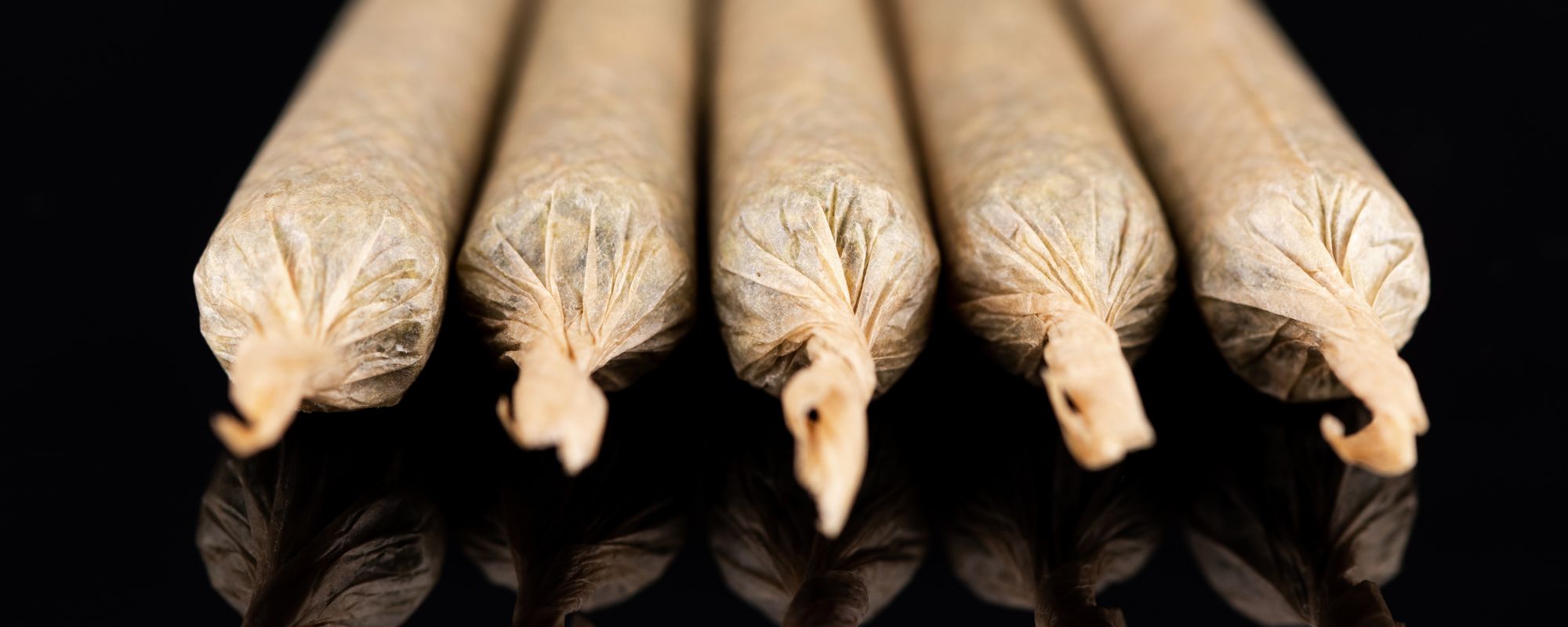
Laced weed often looks normal at first glance. Many dangerous additives are invisible or designed to blend in with the natural appearance of cannabis. Visual clues are helpful but never fully reliable on their own.
What normal, high-quality marijuana looks like:
- Dense green buds with orange, red, or purple hairs (pistils)
- Frosty white trichomes that appear translucent and resinous
- Slightly sticky but not dusty texture
- Natural color gradients rather than flat, uniform tones
Suspicious visual signs of laced weed:
- Unusual white, blue, or bright crystals that flake off easily
- Visible white or off-white powder in crevices or coating the surface
- Wet, shiny, or greasy spots that seem uneven
- Fibers that look like fabric, paper, or fiberglass
Contaminants like ground glass or sand can make buds feel gritty, overly hard, or “crunchy” when broken apart—unlike the usual slightly sticky, plant-like texture of natural cannabis.
Laundry detergent or sugar used to fake “crystal” coverage may leave visible residue on fingers or rolling papers and can create thicker-than-normal smoke when burned.
Looking For Substance Abuse or Mental Health Help?
Get confidential help from our addiction and mental health treatment facilities located across the United States. Call to join one of our quality programs today!
Speak With Our Admissions TeamSmell: Odors That Can Signal Laced Weed
Normal marijuana—regardless of strain—typically smells earthy, skunky, piney, citrusy, or herbal. These scents come from natural terpenes produced by the plant. When weed is laced with other substances, the smell often changes dramatically.
Warning signs in odor:
- Sharp chemical smells like nail polish remover (acetone), gasoline, or ammonia may indicate solvents, PCP, or other chemicals on the bud
- Detergent-laced marijuana may smell like laundry soap, fabric softener, or artificial fragrance rather than plant-based terpenes
- A burnt plastic or synthetic odor when smoking can suggest synthetic cannabinoids or contaminated products
- Odorless buds can also be suspicious, as this may indicate chemical masking or heavy processing
Any marijuana that smells dramatically different from the same strain from a trusted source should be treated with caution. Unusual smells are one of the most noticeable indicators that weed is laced.
Taste and Smoke: How Laced Weed Can Hit Differently
Taste and the way smoke feels in the throat and lungs are often easier for regular users to notice than visual changes. Even newer users can typically tell when something tastes “wrong.”
Normal cannabis smoke:
- Harsh but plant-like
- May have earthy, piney, citrus, or sweet notes depending on strain
- No strong chemical or metallic aftertaste
Signs of laced marijuana when smoking:
- Embalming fluid, PCP, or strong solvents cause an extremely harsh, bitter, chemical, or metallic taste
- Detergent or household chemicals produce thick, soapy, or perfumed smoke
- Unusual irritation in the mouth, throat, and lungs beyond typical cannabis harshness
- Numbing sensations in the mouth or throat (may indicate cocaine or ketamine)
If someone coughs far more than usual or feels intense throat burning from a small hit of supposedly mild weed, they should stop immediately. Trust your body’s signals.
Texture and Residue: Touch Clues for Laced Marijuana
Good-quality cannabis feels slightly sticky and resinous from natural trichomes but should not leave chalky, greasy, or crystalline dust on fingers.
Texture warning signs:
Weed sprayed with certain liquids (like embalming fluid or concentrated chemicals) can feel abnormally damp, oily, or tacky in uneven patches rather than evenly sticky like natural resin.
Breaking up laced weed may leave strange residues on a grinder or rolling tray. The “CD scratch test” can help detect glass: rub a small amount of the bud on a CD surface—genuine trichomes won’t scratch plastic, but glass particles will.
Important reminder: The absence of these signs does not prove weed is safe. Many harmful substances are not detectable by touch.
Verify Your Insurance
Looking for quality treatment for substance abuse and mental health that’s also affordable? Aliya's Native American Programs accept most major insurance providers. Get a free insurance benefits check now!
Check Your CoverageSpecific Substances That Change How Laced Weed Looks
Different drugs and adulterants change the appearance of marijuana in different ways—some noticeable, some almost invisible. Understanding what each substance looks like can help with identification, but lab testing remains the only reliable way to confirm contamination.
PCP (“Dusted Weed”, “Fry”, “Wet”, “Superweed”)
PCP is a dissociative hallucinogen sometimes sprayed or dipped onto marijuana. Street names include dusted weed, fry, superweed, and wet weed. PCP laced weed can produce hallucinogenic effects far beyond what normal cannabis delivers.
Appearance clues:
- Buds may look unnaturally shiny, darker, or damp in patches
- Chemical sheen visible on rolling papers or blunts
- Joints may be visibly wet before lighting
- Strong chemical smell before smoking
Visible signs can be minimal, so users often first notice unexpectedly intense dissociation, hallucinations, or severe agitation after smoking weed laced with PCP.
Heroin
Heroin-laced marijuana is rare and usually results from an intentional mix where brown or white powder is sprinkled on top of a bowl or inside a blunt.
Appearance clues:
- Small patches of tan, brown, or off-white powder stuck to buds
- Powder collecting at the bottom of bags
- Distinctive chemical or vinegar-like odor when burned
The health risks are severe. Heroin itself may be cut with fentanyl, creating a potentially deadly combination where even small amounts can cause accidental overdose.
Cocaine and Crack Cocaine
Powder cocaine or crack is sometimes mixed with weed by users to create “primo” joints or blunts that produce stimulating effects. Cocaine lacing marijuana creates a high that feels more alert and jittery than expected.
Appearance clues:
- Small white, off-white, or slightly yellow crystals visible in the mix
- Crack rocks appear as tiny chalky pebbles among green plant matter
- Residue along the inside of blunts or on top of bowls
The smoke may feel harsher and more numbing than normal. This combination places significant strain on the cardiovascular system and can cause increased blood pressure and heart rate.
Methamphetamine
Crystal meth is a powerful stimulant that can appear as clear, white, or bluish shards when mixed with marijuana.
Appearance clues:
- Sharp, glass-like crystals that look different from natural trichomes
- Hard fragments that fall out rather than staying attached to the bud
- Strong chemical or plastic-like smell when burning
Even tiny, nearly invisible particles of meth can cause serious stimulant side effects. The high is likely to be wired, anxious, and long-lasting rather than the relaxed sedative effects of normal cannabis.
LSD
LSD is usually found on blotter paper or in liquid form. It’s more often used by touching a dipped joint to the lips than by actually burning it, since heat destroys the compound.
Appearance clues:
- Often invisible on the bud itself
- Small paper fragments with designs or colors hidden in joint tips would look unusual
- LSD is active in microgram amounts, so no visible signs may be present
The bigger giveaway is psychedelic, time-distorting effects rather than appearance. LSD can produce hallucinogenic effects that are dramatically different from typical marijuana use.
Ketamine
Ketamine is a white or off-white powder that can be sprinkled onto weed or into a blunt.
Appearance clues:
- Light dust or clumps visible on buds
- Uneven white patches that don’t look like normal trichomes
- Smoke or vapor may feel unusually numbing
The high from ketamine-laced weed can feel floaty, detached, or “out of body” compared with typical cannabis. Mixing ketamine with other depressants increases risks of blackouts and accidents.
Embalming Fluid and Formaldehyde
Street slang creates confusion here: “smoking embalming fluid” is slang for PCP consumption, but actual embalming fluid used on bodies contains formaldehyde and other extremely dangerous chemicals.
Appearance clues:
- Weed may appear damp or shiny
- Can dry with a stiff, uneven coating on buds or joint paper
- Intensely chemical, irritating smell similar to strong disinfectants
Smoking weed laced with real embalming fluid can severely damage lungs and brain tissue. Any suspicion of formaldehyde contamination is a reason to avoid the product entirely.
Fentanyl
Fentanyl is a synthetic opioid most often found in fake pills or heroin, but fentanyl laced marijuana has been documented in accidental contamination cases. Fentanyl laced weed represents one of the most severe health risks because of the drug’s incredible potency.
Appearance clues:
- May appear as tiny white or off-white specks or powder
- In many documented cases, completely invisible on plant material
- Works in microgram quantities—a lethal dose can be as small as 2mg
A bud can look completely normal yet still be extremely dangerous. Fentanyl test strips can detect the drug in dissolved samples with over 95% accuracy. Any unexpected heavy sedation, pinpoint pupils, difficulty breathing, or slowed breathing after smoking weed is a medical emergency.
Can You See Fentanyl in Weed?
In most cases, fentanyl is not visible to the naked eye. It is odorless, colorless, and extremely potent in very small amounts. This makes fentanyl-laced weed particularly dangerous, as visual inspection alone is often not enough to detect it.
Because of this, fentanyl contamination often goes unnoticed until severe symptoms appear.
Why Laced Weed Is So Dangerous
The biggest danger of laced weed is not knowing what—or how much—you’re ingesting. This makes dosing, drug interactions, and overdose risk completely unpredictable.
Specific dangers include:
- Cardiovascular strain: Stimulants raise blood pressure and heart rate, potentially causing heart attacks or strokes
- Respiratory depression: Opioids like fentanyl and heroin slow breathing to dangerous levels, leading to fatal outcomes
- Mental health effects: Long-term use of marijuana laced with potent drugs can trigger psychosis, depression, paranoia, and other mental health issues
- Physical damage: Even non-psychoactive additives like glass, detergents, and heavy metals can physically damage lungs, mouth, throat, and internal organs
- Substance use disorder: Regular exposure to illicit drugs through laced marijuana can lead to cannabis use disorder or other substance use disorders
Cases of overdose and death from unknowingly using drug-laced products have been documented across the U.S. and Canada throughout the 2010s and 2020s. CDC data shows rising cannabis-related ER visits, with approximately 15% of 2023 drug screens testing positive for fentanyl.
Find Culturally Grounded Support and Healing
If concerns about laced weed, polysubstance exposure, or substance use have impacted you or someone you love, culturally responsive care can make a powerful difference. The Native American Program offers substance use and mental health treatment that honors Indigenous traditions, values, and community—integrating evidence-based care with culturally rooted healing practices.

Lisa Tomsak, DO Medical Reviewer
Lisa Tomsak, DO, provides her medical expertise to review and approve all content appearing on our blogs. Dr. Tomsak uses her experience in delivering a holistic spectrum of medical care to people recovering from addiction and mental illness to guide her.

- What Does Laced Weed Look Like? - January 23, 2026
- Understanding the Fentanyl Fold: Warning Signs and Treatment Options - January 20, 2026
- Delayed Emotional Response: What It Is, Why It Happens, and How to Heal - January 19, 2026