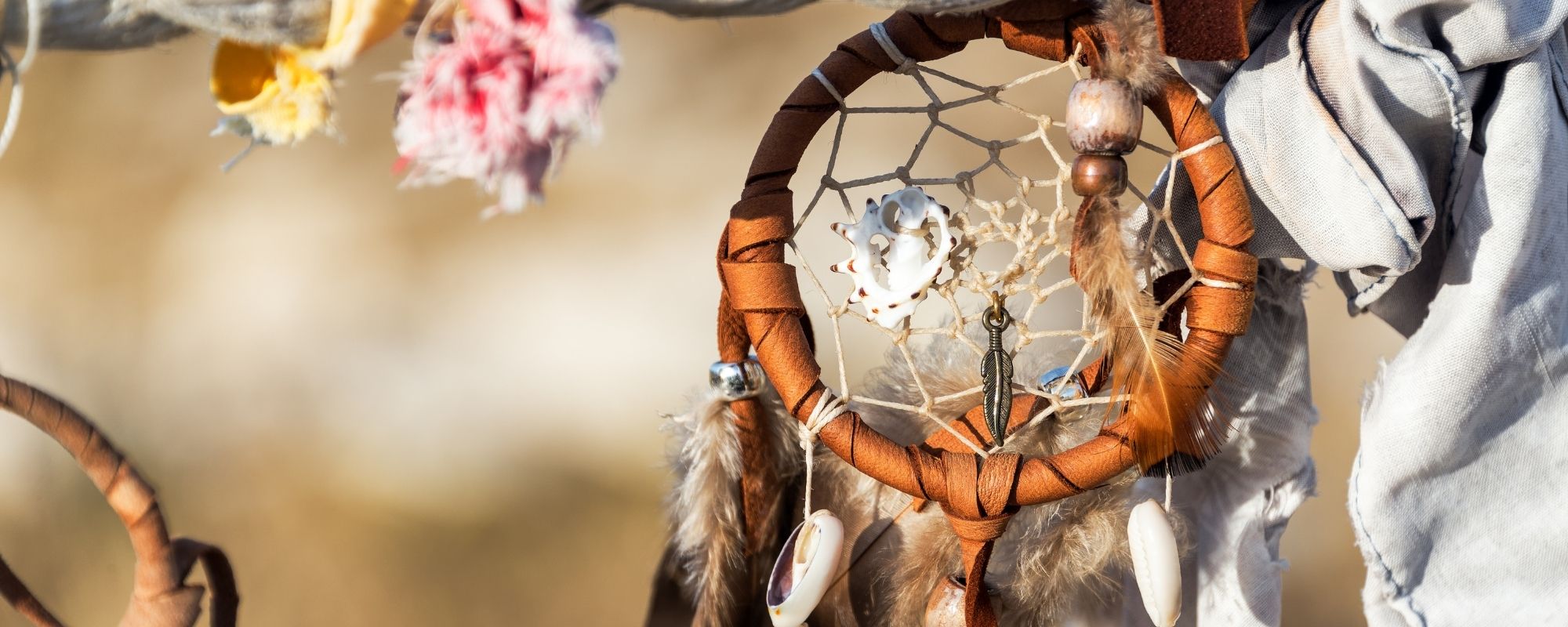
Alcohol misuse is a deeply rooted issue in many Native communities, often entwined with historical trauma, cultural displacement, and intergenerational pain. For those seeking recovery, Native American AA (Alcoholics Anonymous) represents not just a path to sobriety—but a journey of cultural reconnection, healing, and wholeness.
Key Takeaways
- The principles of Alcoholics Anonymous resonate with Native American cultural values, emphasizing community support and accountability in the recovery process.
- Culturally based healing practices, including traditional ceremonies and the integration of spirituality, play a crucial role in enhancing the effectiveness of recovery programs for Native Americans.
- Elders provide essential wisdom and guidance in recovery journeys, reinforcing the importance of cultural identity, balance, and community support in overcoming addiction.
What Is Native American AA?
“Native American AA” isn’t a separate organization from Alcoholics Anonymous, but rather a way in which the AA model is adapted, embraced, and infused with Indigenous cultural and spiritual practices. Many Native people in recovery find that traditional AA meetings, when combined with culturally resonant elements, provide a more meaningful and effective foundation for healing.
AA itself recognizes these adaptations. Their “Indigenous People in A.A.” pamphlet shares stories of Native members from different tribal nations who have found strength in AA. The core requirement is the same: a desire to stop drinking, and a willingness to share, listen, and support one another.
The Intersection of Native American Culture and AA Principles
The principles of Alcoholics Anonymous emphasize mutual support and accountability, resonating deeply with Native American cultural values centered on community and collective healing. These shared values create a strong foundation for recovery, where organizations and individuals are not only responsible for their own sobriety but also support others in their journey.
Elders play a crucial role in this process, encouraging younger generations and children to embrace their cultural identity as a source of strength in overcoming addiction. Linking personal recovery efforts to broader cultural narratives helps individuals not just heal from addiction but also reconnect with their heritage and traditions. This connection to cultural identity is a powerful tool in the recovery journey.
Spirituality is a cornerstone in both AA and Native American traditions for the healing process. The concept of a Higher Power in AA aligns with the Native American belief in a spiritual force, often referred to as the Great Spirit, that guides individuals in their recovery. This spiritual integration restores a sense of self, often fragmented by addiction, and fosters resilience and hope.
Native American AA Prayer
There are actually AA prayers constructed according to Native American spirituality. Here is one of them, from the Native American Indian General Service Office of Alcoholics Anonymous:
Oh Great Spirit
Whose Voice I Hear in the wind.
Whose breath gives life to the world.
Hear me.
I come to you as one of your many children.
I am small and weak,
I need your strength and wisdom;
May I walk in beauty.
Make my eyes behold the red and purple sunset;
Make my hands respect the things that you
have made,
And my ears sharp to hear your voice.
Make me wise so that I may know the things
That you have taught your children;
The lessons that you have hidden in
every leaf and rock.
Make me strong . . . not to be superior to my
brothers but to be able to fight my greatest enemy. . .myself.
Make me ever ready to come to you with
straight eyes so that
When life fades as the faded sunset,
My spirit will come to you without shame.
Why Native American AA Is Especially Powerful
- Cultural Healing + Community
One of the strengths of Native American AA is its integration of cultural practices that resonate deeply with Native identities.
Recovery programs often incorporate:
- Talking Circles: A space where participants speak and listen in turns, promoting honest sharing and deep listening.
- Sweat Lodge Ceremonies: Spiritual purification rituals that many find profoundly healing.
- Medicine Wheel Teachings: Many Native recovery frameworks center around the medicine wheel—a symbol of balance, interconnectedness, and spiritual growth.
These traditions are not just symbolic; they align with a distinctly Native concept of wellbeing, often described as living in balance—between mind, body, spirit, and community.
- Adapted 12-Step Practices
While the Twelve Steps are central to AA, many Native recovery groups adapt the language or framing to better reflect Indigenous spirituality.
For example:
- The concept of a “Higher Power” is often replaced with terms like “Great Spirit,” making the steps feel more culturally grounded.
- The Wellbriety Movement, founded by Don Coyhis, combines AA’s 12-step principles with Indigenous spiritual beliefs through its “Medicine Wheel 12 Steps.”
- Some groups also emphasize service to one’s community and connection to ancestors—grounding recovery in cultural identity, not just individual abstinence.
- Supportive Infrastructure
Beyond the spiritual and cultural integration, Native AA is supported by formal networks:
- The Native American Indian General Service Office (NAIGSO-AA) represents Native AA groups across the U.S. and helps coordinate culturally sensitive service.
- There’s an ongoing effort to increase representation: for instance, the AA pamphlet A.A. for the Native North American was recently updated in collaboration with Indigenous communities.
How to Find Native American AA Support
- Check AA Resources: Look into AA’s Indigenous fellowship materials. The Indigenous People in A.A. pamphlet offers stories and inspiration.
- Reach Out to NAIGSO-AA: The NAIGSO can help connect you with meetings or groups that are culturally relevant.
- Explore Wellbriety Programs: If culturally based healing is important for you, Wellbriety-based recovery groups offer a powerful blend of 12-step work and Indigenous spirituality.
- Use Local & Tribal Resources: Many tribal health centers, IHS (Indian Health Service), and urban Indian programs provide behavioral health services integrated with traditional practices.
Why It Matters for Healing
Recovery isn’t just about quitting alcohol—it’s about reclaiming identity, restoring community, and healing ancient wounds. For many Native people, the journey through AA isn’t just a path away from alcohol—it’s a return to cultural strength, spiritual wisdom, and generational resilience.
By bringing together the tried-and-true structure of Alcoholics Anonymous with the richness of Native traditions, Native American AA offers a space where people can heal in a way that truly honors who they are.
Aliya Native American Program: Culturally-Sensitive Native American Addiction Treatment
Aliya Health’s Native American Program honors the strength, resilience, and cultural wisdom of Indigenous communities by offering recovery support rooted in tradition, identity, and community healing. Whether you’re seeking culturally adapted 12-step support, Wellbriety-aligned programming, or a treatment environment that fully understands the impact of historical trauma, our program provides a path forward grounded in respect and cultural connection. If you or a loved one is searching for a place where sobriety and Native identity can thrive together, contact us today to begin a healing journey guided by tradition, compassion, and community.
- SAMHSA, C. for B. H. S. and Q. (n.d.-a). Substance use and mental health issues among U.S.-born American Indians or Alaska natives residing on and off tribal lands. https://www.samhsa.gov/data/sites/default/files/cbhsq-reports/DRAIANTribalAreas2018/DRAIANTribalAreas2018.htm
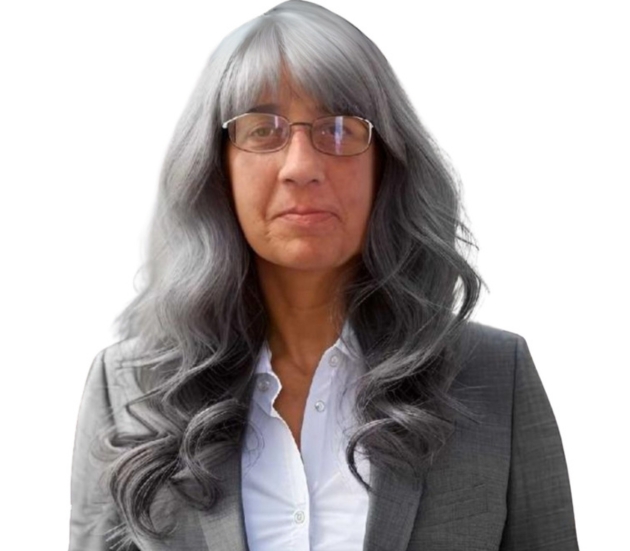
Emer Simpson, SUDP Medical Reviewer
Emer Simpson serves as the Clinical Director for Royal Life Centers’ detox and inpatient facility in Spokane, Washington. As a seasoned Substance Use Disorder Professional (SUDP), she brings a wealth of knowledge and experience to her practice, offering love, guidance, and unwavering belief that no one is beyond healing from the devastating effects of addiction.

- What Does Laced Weed Look Like? - January 23, 2026
- Understanding the Fentanyl Fold: Warning Signs and Treatment Options - January 20, 2026
- Delayed Emotional Response: What It Is, Why It Happens, and How to Heal - January 19, 2026