Key Takeaways
- Native American and Alaska Native communities face some of the most severe health disparities in the United States, including higher rates of chronic disease, mental health conditions, substance use disorders, and premature mortality.
- Native American health disparities are not caused by individual behavior or culture, but by historical trauma, systemic inequities, underfunded healthcare systems, and ongoing barriers to access.
- Chronic illnesses such as diabetes, heart disease, and kidney disease affect Native communities at younger ages and higher rates, often with fewer resources for prevention and long-term care.
- Substance use disorders must be understood within the context of trauma, poverty, geographic isolation, and limited access to culturally responsive treatment.
Question:
What are some Native American health disparities and why do they occur?
Answer:
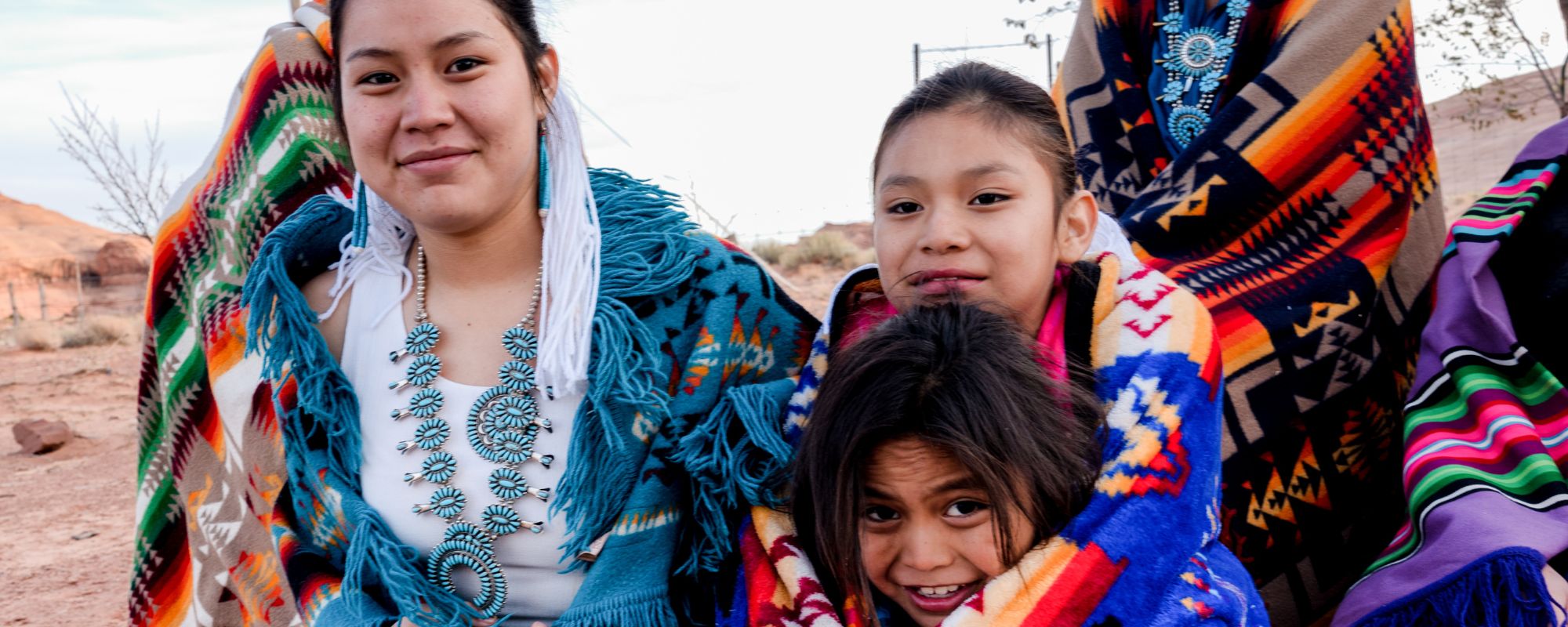
Native American and Alaska Native (AI/AN) communities experience some of the most severe health disparities in the United States. Despite deep cultural resilience, strong kinship systems, and rich traditions of healing, Indigenous populations continue to face disproportionate rates of chronic illness, mental health conditions, substance use disorders, and premature mortality. These disparities are not the result of individual choices or cultural shortcomings, but rather the cumulative effects of historical trauma, systemic inequities, and ongoing barriers to care.
Understanding Native American health disparities requires looking beyond surface-level statistics to the structural, historical, and social forces that shape health outcomes today.
What Are Health Disparities?
Health disparities refer to preventable differences in health outcomes that are closely linked with social, economic, and environmental disadvantage. For Native American communities, these disparities show up across nearly every major health indicator, including life expectancy, disease burden, access to care, and quality of treatment received.
On average, Native Americans have a shorter life expectancy than other racial and ethnic groups in the U.S. They are also more likely to experience multiple chronic conditions at younger ages, often with fewer resources available for prevention or long-term management.
Major Native American Health Disparities
Chronic Diseases
Native American populations experience disproportionately high rates of chronic diseases, including:
- Diabetes (particularly Type 2 diabetes)
- Heart disease
- Hypertension
- Obesity
- Kidney disease
Diabetes, in particular, affects Native Americans at rates more than double those of non-Hispanic white populations in some regions. Limited access to healthy foods, safe spaces for physical activity, and preventive care all contribute to this elevated risk.
Mental Health Conditions
Rates of depression, anxiety, post-traumatic stress disorder (PTSD), and suicide are significantly higher among Native American populations, especially among adolescents and young adults. Native American youth have some of the highest suicide rates of any demographic group in the country.
These outcomes are closely tied to intergenerational trauma, loss of cultural identity, forced assimilation policies, and ongoing exposure to discrimination and marginalization.
Substance Use Disorders
Native American communities are disproportionately affected by substance use disorders, including alcohol use disorder and opioid addiction. Alcohol-related deaths among Native Americans occur at much higher rates than the national average, making rates of alcohol use disorder one of the most notorious Native American health disparities in the public mind. An alcohol treatment program for Native Americans can help.
Importantly, these patterns must be understood within the context of trauma, poverty, limited access to culturally appropriate treatment, and underfunded behavioral health systems rather than stereotypes or moral judgments.
Looking For Substance Abuse or Mental Health Help?
Get confidential help from our addiction and mental health treatment facilities located across the United States. Call to join one of our quality programs today!
Speak With Our Admissions TeamRoot Causes of Native American Health Disparities
Poverty and Social Determinants of Health
Native American communities experience higher rates of poverty, unemployment, inadequate housing, food insecurity, and limited educational opportunities. These social determinants of health strongly influence physical and mental well-being and increase the risk of chronic disease and early death.
Geographic Isolation
Many Native American reservations are located in rural or remote areas, far from hospitals, specialists, and behavioral health providers. Transportation barriers, long wait times, and shortages of healthcare professionals make accessing timely care extremely difficult.
Underfunded Healthcare Systems
The Indian Health Service (IHS), the federal agency primarily responsible for providing healthcare to Native Americans, has been historically underfunded. Per capita healthcare spending for Native Americans is significantly lower than for other populations served by federal health programs.
This underfunding results in outdated facilities, limited specialty care, staff shortages, and restricted access to advanced treatments.
Mistrust of Medical Institutions
Generations of unethical research, forced sterilizations, and broken treaties have created deep mistrust toward healthcare systems. Many Native Americans approach medical care with understandable caution, particularly when providers lack cultural competence or awareness of Indigenous history.
Barriers to Quality Healthcare Access
- Lack of nearby healthcare facilities
- Limited insurance coverage outside of IHS services
- Shortage of Native American healthcare providers
- Language and cultural barriers
- Fragmented care between tribal, federal, and private systems
These barriers often delay diagnosis and substance abuse treatment for Native Americans, allowing preventable conditions to progress into more serious or life-threatening illnesses.
Verify Your Insurance
Looking for quality treatment for substance abuse and mental health that’s also affordable? Aliya's Native American Programs accept most major insurance providers. Get a free insurance benefits check now!
Check Your CoveragePromising Paths Toward Health Equity
Culturally Responsive Care
Healthcare that respects Native American traditions, values, and healing practices is essential. Integrating traditional healing, community elders, and culturally grounded approaches into modern medicine has been shown to improve engagement and outcomes.
Community-Led Solutions
Tribal sovereignty allows Native nations to design and implement health programs tailored to their communities. Successful initiatives often focus on prevention, youth engagement, cultural revitalization, and holistic wellness rather than solely treating disease.
Expanding Behavioral Health Services
Increasing access to trauma-informed mental health and addiction treatment services is critical. Programs that acknowledge historical trauma and emphasize connection, identity, and healing can be particularly effective.
Workforce Development
Training and supporting Native American healthcare professionals helps build trust, improve communication, and strengthen long-term capacity within tribal health systems.
Policy and Funding Reform
Closing the funding gap for Native American healthcare is a necessary step toward equity. Adequate investment in infrastructure, staffing, and preventive services can dramatically improve health outcomes over time.
Get Help for Addiction and Mental Health Today
Native American health disparities are the result of centuries of systemic inequities, not individual failure or cultural deficiency. Addressing these disparities requires more than medical intervention alone; it demands structural change, sustained investment, and respect for Indigenous knowledge and sovereignty.
By supporting culturally grounded care, empowering tribal leadership, and confronting the historical and social determinants of health, it is possible to move toward a future where Native American communities have equal opportunities to thrive. Health equity is not only a matter of justice—it is a recognition of the inherent strength, resilience, and dignity of Native peoples.
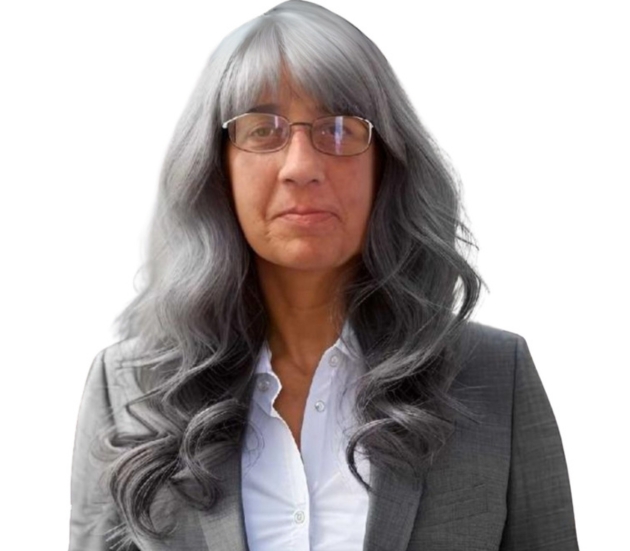
Emer Simpson, SUDP Medical Reviewer
Emer Simpson serves as the Clinical Director for Royal Life Centers’ detox and inpatient facility in Spokane, Washington. As a seasoned Substance Use Disorder Professional (SUDP), she brings a wealth of knowledge and experience to her practice, offering love, guidance, and unwavering belief that no one is beyond healing from the devastating effects of addiction.