Key Takeaways
- The Medicine Wheel is a sacred Native American symbol that represents balance, harmony, and the interconnectedness of life.
- It is commonly divided into four directions, each associated with physical, mental, emotional, and spiritual well-being.
- Medicine Wheel teachings emphasize that healing occurs through balance, not by focusing on one area of health alone.
- In Native American addiction treatment, the Medicine Wheel is used as a holistic framework to address trauma, emotional pain, spiritual disconnection, and behavioral patterns.
- When approached with respect, the Medicine Wheel can serve as a powerful tool for self-awareness, cultural reconnection, and long-term recovery.
Question:
What is the Medicine Wheel in Native American addiction treatment?
Answer:
The Medicine Wheel is a sacred and widely respected symbol in many Native American cultures, representing balance, connection, and holistic well-being. Rooted in Indigenous traditions, the Medicine Wheel offers a framework for understanding how the physical, mental, emotional, and spiritual aspects of life are interconnected. While teachings vary among tribes, Medicine Wheel teachings are commonly used to guide healing, self-reflection, and personal growth.
Today, the Medicine Wheel is also incorporated into culturally informed addiction and mental health treatment. By honoring traditional wisdom while supporting modern therapeutic approaches, Medicine Wheel teachings help individuals restore balance, understand the deeper roots of addiction, and move toward long-term recovery grounded in identity, purpose, and community.
What Is the Medicine Wheel?
The Medicine Wheel is a sacred symbol used by many Native American tribes to represent balance, harmony, and the interconnected nature of life. While specific teachings and interpretations vary among tribes, the Medicine Wheel is commonly understood as a circular symbol divided into four directions—each associated with physical, emotional, mental, and spiritual aspects of well-being.
In Indigenous traditions, the Medicine Wheel is used as a guide for healing, self-reflection, and personal growth. It emphasizes the importance of balance in all areas of life, teaching that wellness is achieved when the mind, body, spirit, and emotions are aligned. This holistic framework has been passed down through generations and remains an important part of cultural, spiritual, and healing practices today.
In modern contexts, including culturally informed addiction and mental health treatment, the Medicine Wheel is often used as a therapeutic model. By honoring traditional wisdom while supporting personal healing, the Medicine Wheel helps individuals better understand their experiences, restore balance, and move toward long-term recovery.
The Four Directions of the Medicine Wheel
At the heart of the Medicine Wheel are the Native American four directions, each representing an essential aspect of life and wellness. While teachings can vary by tribe, the Medicine Wheel is commonly used as a holistic framework for understanding balance between the physical, mental, emotional, and spiritual self.
- East—Spiritual Beginnings: The East is often associated with new beginnings, awareness, and spiritual insight. It represents clarity, purpose, and connection to something greater than oneself. In healing traditions, the East encourages reflection on meaning, values, and spiritual growth.
- South—Emotional Growth: The South is commonly linked to emotions, relationships, and the inner child. This direction emphasizes honesty, vulnerability, and emotional healing. In recovery, it can represent learning healthy ways to process feelings rather than turning to substances.
- West—Mental Reflection: The West is associated with introspection, wisdom, and mental clarity. It represents learning from experience, self-examination, and understanding patterns of behavior. Within treatment settings, this direction aligns with insight, accountability, and cognitive healing.
- North—Physical Strength and Action: The North is often connected to physical wellness, discipline, and resilience. It represents taking action, building strength, and maintaining balance through healthy routines. In recovery, this includes caring for the body and establishing structure to support long-term healing.
Together, the four directions of the Medicine Wheel illustrate that true wellness requires balance across all areas of life. In culturally informed treatment programs, this model helps individuals understand how an imbalance in one area—such as emotional pain or spiritual disconnection—can affect overall health and recovery.
What Does the Medicine Wheel Represent?
The Medicine Wheel represents the interconnectedness of all aspects of life and the importance of balance in achieving overall wellness. Rooted in Native American traditions, the Medicine Wheel serves as a visual and spiritual guide for understanding how physical, mental, emotional, and spiritual health are deeply connected rather than separate parts of the self.
At its core, the Medicine Wheel teaches that healing occurs when balance is restored. When one area of life becomes neglected—whether emotional pain, spiritual disconnection, or physical illness—it can affect the whole person. This concept is especially meaningful in healing and recovery, where imbalance often plays a role in substance use and mental health challenges.
The Medicine Wheel also represents life cycles, personal growth, and the ongoing journey of learning. Many teachings associate the wheel with stages of life, the changing seasons, and the natural rhythms of the world. By reflecting on these cycles, individuals are encouraged to develop self-awareness, responsibility, and respect for themselves, their communities, and the world around them.
In modern healing and treatment settings, the Medicine Wheel is often used as a framework for holistic care. It helps individuals explore their experiences, reconnect with cultural values, and develop healthier ways of living that support long-term recovery and emotional well-being.
Looking For Substance Abuse or Mental Health Help?
Get confidential help from our addiction and mental health treatment facilities located across the United States. Call to join one of our quality programs today!
Speak With Our Admissions TeamHow to Use a Native American Medicine Wheel for Addiction Treatment
In addiction recovery, the Medicine Wheel is often used as a holistic framework to help individuals understand the root causes of substance use and restore balance across all areas of life. Rather than focusing solely on behavior or symptoms, using the Medicine Wheel for Native American treatment encourages healing of the mind, body, spirit, and emotions—all of which are essential for sustainable recovery.
Many Native American–focused treatment programs use the Medicine Wheel to help clients identify where imbalance exists. For example, emotional pain or unresolved trauma may affect mental health, while spiritual disconnection can lead to feelings of isolation or loss of purpose. By exploring each of the Native American four directions of the Medicine Wheel, individuals gain insight into how these areas interact and how substance use may have developed as a coping mechanism.
In culturally informed addiction treatment, the Medicine Wheel is often integrated into group discussions, individual therapy, and traditional healing practices. Clients may reflect on personal experiences, set recovery goals aligned with each direction, and reconnect with cultural values that emphasize responsibility, community, and self-respect. This process supports accountability while reducing shame, helping individuals view recovery as a journey rather than a failure.
By grounding recovery in balance and self-awareness, the Medicine Wheel reinforces the idea that healing is ongoing and multidimensional. For many individuals, especially those participating in Native American–oriented treatment programs, Medicine Wheel teachings foster deeper engagement, cultural reconnection, and a stronger foundation for long-term sobriety.
How to Make a Medicine Wheel
Creating a Medicine Wheel can be a meaningful way to reflect on balance, healing, and personal growth. While Medicine Wheel teachings vary by tribe, the steps below offer a respectful, general approach often used for personal reflection or educational purposes. If you are learning within a specific tribal tradition, it’s important to follow guidance from elders or cultural teachers.
- Choose the Purpose and Setting
Before beginning, reflect on why you are creating the Medicine Wheel. It may be for personal healing, recovery work, spiritual reflection, or learning. Choose a quiet, respectful space—indoors or outdoors—where you can focus without distraction.
- Create the Circle
The circle represents the cycle of life and interconnectedness.
- You can draw a circle on paper, outline one on the ground with stones, or visualize it during meditation.
- The circle should feel balanced and intentional rather than decorative.
- Divide the Circle Into Four Directions
Draw a cross through the center of the circle to create four equal sections, representing the Four Directions:
- East
- South
- West
- North
Each direction is commonly associated with aspects of wellness—spiritual, emotional, mental, and physical—though meanings can vary by tribe.
- Assign Colors and Meanings
Many Medicine Wheels use four colors, often:
- East: Yellow (beginnings, spirituality)
- South: Red (emotions, growth)
- West: Black (reflection, understanding)
- North: White (wisdom, physical strength)
These associations are not universal, so it’s appropriate to treat them as guidelines, not fixed rules.
- Add Personal Reflection
Write or place words, symbols, or stones in each direction that reflect your life. In recovery or healing work, this might include:
- Strengths and challenges
- Emotional patterns
- Spiritual beliefs
- Physical health goals
This step turns the Medicine Wheel into a living tool, not just a symbol.
- Use the Medicine Wheel as an Ongoing Practice
A Medicine Wheel is not meant to be completed once and forgotten. Many people revisit it regularly to reflect on balance, progress, and areas that need attention. In healing and recovery settings, it can be used alongside therapy, journaling, or group discussion.
A Note on Respect
The Medicine Wheel is sacred in many Native American cultures. When creating one, approach the practice with humility, respect, and openness to learning. Avoid commercialization or treating it as decoration—its purpose is reflection, balance, and healing.
Verify Your Insurance
Looking for quality treatment for substance abuse and mental health that’s also affordable? Aliya's Native American Programs accept most major insurance providers. Get a free insurance benefits check now!
Check Your CoverageThe Medicine Wheel in Aliya Health Group’s Native American Program
Aliya Health Group’s Native American Program is built on the understanding that lasting recovery requires balance across every aspect of life. Guided by the teachings of the Medicine Wheel, the program integrates physical, mental, emotional, and spiritual healing into a comprehensive, culturally informed approach to addiction and mental health treatment.
Within the program, the Medicine Wheel is used as a therapeutic framework to help clients identify areas of imbalance and set meaningful recovery goals. Group discussions, individual therapy, and traditional healing practices often align with the Four Directions, allowing clients to explore emotional wounds, spiritual disconnection, mental patterns, and physical wellness in a way that honors Indigenous values and lived experience.
Wellbriety-Focused
Aliya’s program also incorporates Wellbriety principles, which emphasize sobriety, cultural reconnection, personal responsibility, and community healing. By blending Wellbriety teachings with evidence-based therapies such as trauma-informed care and dual diagnosis treatment, the program supports individuals facing substance use disorders alongside co-occurring mental health conditions. This integrated model helps clients heal not only from addiction, but from the underlying trauma that often fuels it.
Above all, Aliya Health Group’s Native American Program provides a safe, respectful environment where culture is not an add-on, but a foundation of care. Through the Medicine Wheel, Wellbriety, and modern clinical support, clients are empowered to reconnect with identity, restore balance, and build a path toward long-term recovery.
If you or a loved one are seeking culturally grounded addiction treatment, Aliya Health Group is here to help. Contact our admissions team today to learn more about the Native American Program and take the first step toward healing rooted in balance, tradition, and hope.
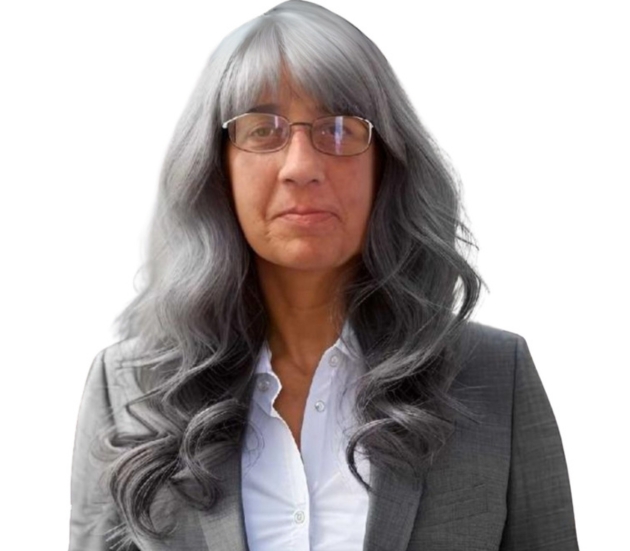
Emer Simpson, SUDP Medical Reviewer
Emer Simpson serves as the Clinical Director for Royal Life Centers’ detox and inpatient facility in Spokane, Washington. As a seasoned Substance Use Disorder Professional (SUDP), she brings a wealth of knowledge and experience to her practice, offering love, guidance, and unwavering belief that no one is beyond healing from the devastating effects of addiction.

- What Does Laced Weed Look Like? - January 23, 2026
- Understanding the Fentanyl Fold: Warning Signs and Treatment Options - January 20, 2026
- Delayed Emotional Response: What It Is, Why It Happens, and How to Heal - January 19, 2026