Key Takeaways
- Addiction is not a moral failing: It’s a medical condition that alters brain chemistry, making it impossible to simply “stop” without support.
- Addiction affects the spirit: Beyond physical and mental health, addiction isolates individuals from their community, culture, and spiritual center.
- Healing is possible through culturally rooted treatment: Programs that honor Native traditions and focus on holistic healing can help individuals reclaim their identity and well-being.
Question:
What makes Native American addiction treatment different?
Answer:
Addiction in Native American communities is often misunderstood as a personal weakness, but it’s a medical and spiritual illness. This blog reframes addiction as a symptom of deeper wounds, including disconnection from culture and community. Healing requires more than willpower—it calls for culturally sensitive treatment that addresses the body, mind, and spirit. By seeking help, individuals can break the cycle of addiction, reclaim their identity, and create a healthier future for the next seven generations.
You might have noticed a change in your cousin, your partner, or even yourself. Maybe the laughter at family gatherings has turned into silence. Perhaps the person who used to be the first one up for work is now sleeping until noon. You worry, but you push the thought away. You tell yourself, “They’re just going through a rough patch,” or “They just need to try harder.”
In our communities, silence can be heavy. We often view struggles with alcohol or drugs through a lens of shame. We think, If they had more willpower, they would stop. If they cared about their family, they wouldn’t drink like that.
This way of thinking is common, but it is incorrect. It stops our relatives from getting the help they need.
This article is here to change the conversation. We will look at what addiction actually is—not as a character flaw or a “bad habit,” but as a complex illness that affects the body, the mind, and the spirit. By the end of this post, you will understand why willpower isn’t the answer and why seeking help is one of the bravest things a person can do.
The Myth of the “Weak Will”
For generations, a dangerous myth has circulated in our neighborhoods and on our reservations. It is the idea that addiction is a moral failing. When we see an uncle struggling with the bottle, we might shake our heads and wonder why he doesn’t just “straighten up.”
This stigma is deadly. It forces people into the shadows. When we believe addiction is a choice, we treat it with judgment instead of medicine. We treat the person as a problem to be solved rather than a human being who is hurting.
The reality is that no one wakes up and chooses to lose their job, their family, or their health to a substance. No one wants to feel sick every morning. The behavior you see on the outside—the lying, the hiding, the anger—is not the person. It is the illness protecting itself.
Understanding the Brain: Why We Can’t Just “Stop”
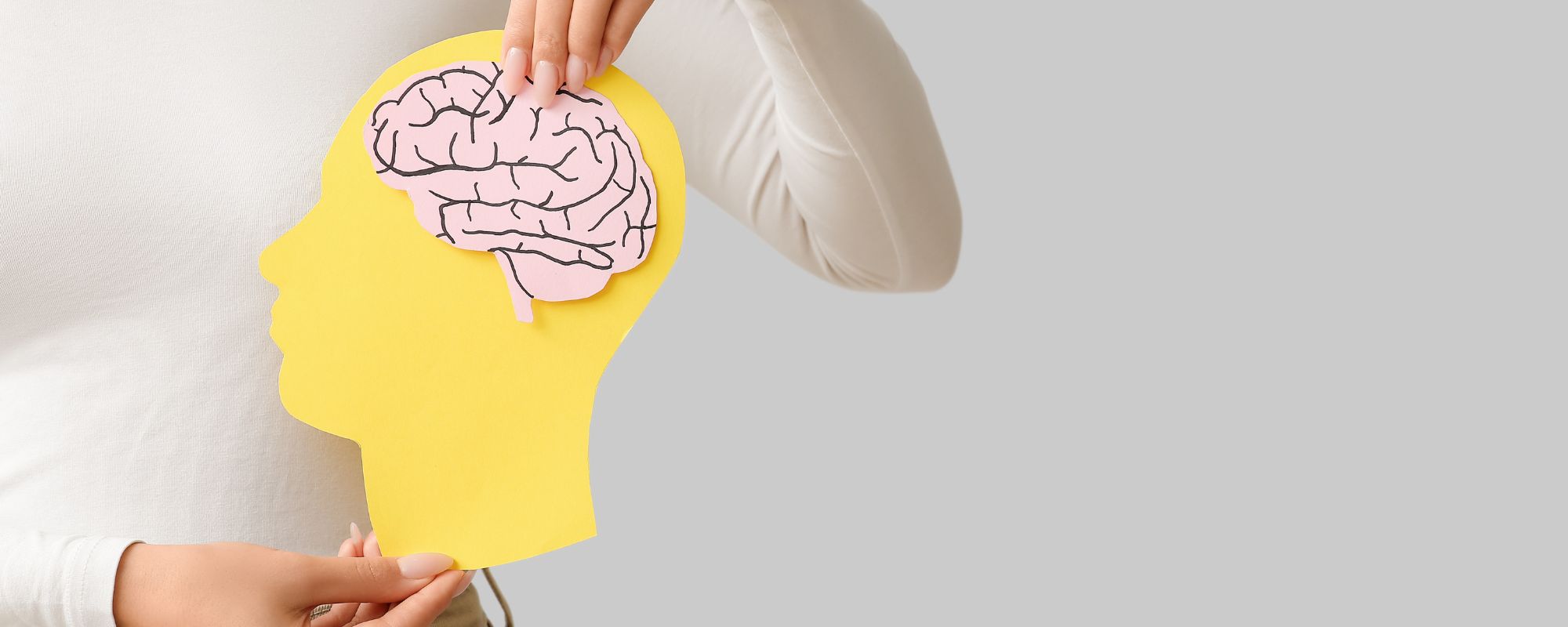
To understand addiction, we have to look at what happens inside the body. Science has shown us that addiction is a chronic medical condition, much like diabetes or heart disease. It changes the physical structure of the brain.
Our brains are wired to reward us for things that keep us alive, like eating good food or bonding with family. When we do these things, our brain releases a chemical called dopamine, which makes us feel good. It says, “That was important. Do it again.”
Alcohol and drugs hijack this system. They flood the brain with unnatural amounts of dopamine. The feeling is intense and immediate. Over time, the brain gets confused. It starts to believe that the substance is more important than food, water, or family connection.
Eventually, the brain adapts. It stops producing its own “feel-good” chemicals because it expects the drug to provide them. This is when the person stops using to get high and starts using just to feel “normal.” Without the substance, they feel physically ill, anxious, and deeply depressed.
This is not a lack of willpower. It is a hijacked survival instinct. Telling someone with an addiction to “just stop” is like telling someone with a broken leg to “just walk.” Their brain chemistry has been altered, and they need medical and therapeutic support to heal it.
Looking For Substance Abuse or Mental Health Help?
Get confidential help from our addiction and mental health treatment facilities located across the United States. Call to join one of our quality programs today!
Speak With Our Admissions TeamA Spiritual Illness: The Broken Connection
Our elders often teach us that health is a balance of the physical, mental, emotional, and spiritual. Addiction disrupts all four, but the spiritual damage is often the most profound.
Addiction isolates. It builds a wall between the person and their spirit, their Creator, and their community. The substance becomes a false idol. It demands all the attention and worship that should belong to family and tradition.
In this state, a person loses their “center.” They forget who they are and where they come from. This is why many Native-focused recovery programs don’t just use medicine or talk therapy. They use culture as treatment.
- Reconnection: Returning to the circle, the drum, or the sweat lodge helps repair the spirit.
- Identity: Remembering that you are part of a resilient lineage gives you strength that alcohol cannot provide.
- Community: Healing happens in relationships, not in isolation.
When we see addiction as a spiritual illness, the solution shifts. It becomes about retrieving the spirit that has been pushed down by the substance. It is about coming home.
Verify Your Insurance
Looking for quality treatment for substance abuse and mental health that’s also affordable? Aliya's Native American Programs accept most major insurance providers. Get a free insurance benefits check now!
Check Your CoverageWhat Addiction Actually Looks Like (It’s Not Always What You Think)
We often have a stereotypical image of what an “addict” looks like. We imagine someone homeless, disheveled, perhaps living on the street. While that can be true in late stages, addiction often looks very different in our homes.
It can look like high-functioning survival. It might look like your auntie who holds down a job but isolates in her room immediately after work every day. It might look like a young cousin who is the life of the party but becomes aggressive the moment the beer runs out.
Here are signs that substance use has crossed the line from “social” to an illness:
1. Loss of Control
The person sets limits but cannot keep them. They say, “I’ll only have two,” but they finish the twelve-pack. They promise to be home by ten but stumble in at three in the morning. This isn’t lying; it’s the inability to control the intake once it starts.
2. Neglecting Responsibilities
Work performance slips. They miss their child’s basketball game. The bills pile up unpaid. The things that used to matter—family, pride in work, hobbies—take a backseat to getting and using the substance.
3. Increased Tolerance
They need to drink or use more than they used to in order to get the same effect. You might notice they can consume a large amount without appearing intoxicated, or that they are drinking faster than everyone else.
4. Withdrawal Symptoms
When they aren’t using, they are irritable, anxious, shaky, or sick. They might need a “morning starter” just to steady their hands or calm their nerves because of withdrawal symptoms. Medical detox can help.
5. Continued Use Despite Consequences
This is the biggest red flag. They have legal trouble, health scares (like liver pain or blackouts), or arguments with a spouse, yet they continue to use. The drive to use overrides the negative outcomes.
6. Emotional Volatility
Mood swings become common. A normally gentle person might become quick to anger. A happy person might sink into deep depression. You feel like you are walking on eggshells around them.
Why Seeking Help Is a Warrior’s Path
If you recognize these signs in yourself or a loved one, fear is a natural reaction. You might be afraid of what people will say. You might fear that treatment means admitting defeat.
We need to reframe this. Going to treatment is not giving up. It is taking your power back.
In the old days, warriors prepared themselves before battle. They sought guidance, they strengthened their bodies, and they relied on their band. Fighting addiction is a modern battle. It requires that same warrior spirit.
Treatment provides the weapons needed for this fight:
- Medical Detox: Safely clearing the chemicals from the body so the brain can restart.
- Therapy: Understanding the trauma and triggers that drive the urge to use.
- Tools for Living: Learning how to handle stress, anger, and sadness without numbing them.
Legitimate treatment centers that understand Native culture respect where you come from. They don’t try to change who you are; they try to help you return to the person you were meant to be. They understand that for our people, healing involves the heart and the spirit, not just the body.
Breaking the Cycle for the Next Seven Generations
We often talk about the Seventh Generation principle—that our decisions today should result in a sustainable world seven generations into the future. Addiction threatens that future. But recovery secures it.
When one person in a family heals, the effects ripple outward.
- Children see that problems can be faced, not numbed.
- Partners learn to communicate again.
- The community gains back a member who can contribute, teach, and lead.
You are not “bad” for struggling. Your loved one is not “weak” for falling into the trap of addiction. You are dealing with a powerful, biologically rooted illness that feeds on our pain.
But we are resilient people. We have survived attempts to erase us, and we can survive the scourge of addiction. It starts with honesty. It starts with looking at the problem squarely and saying, “This is a sickness, and we deserve to be well.”
Taking the First Step
If you are reading this and feeling a tightness in your chest because it sounds too familiar, know that there is hope. You don’t have to carry this burden alone. There are people who understand the specific challenges Native families face. There are Native American addiction treatment programs that honor your heritage while treating the illness.
Moving from “wondering if there is a problem” to “doing something about it” is a scary leap. But on the other side of that leap is a life where you don’t have to hide. A life where you are free.
Learn about the different types of Native American addiction treatment programs available.
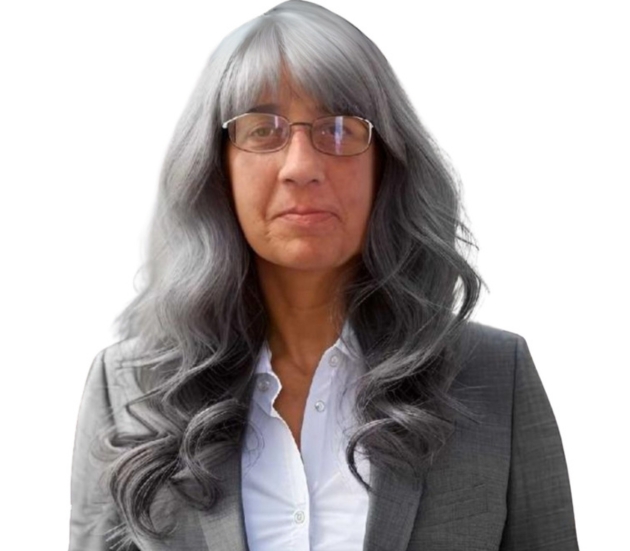
Emer Simpson, SUDP Medical Reviewer
Emer Simpson serves as the Clinical Director for Royal Life Centers’ detox and inpatient facility in Spokane, Washington. As a seasoned Substance Use Disorder Professional (SUDP), she brings a wealth of knowledge and experience to her practice, offering love, guidance, and unwavering belief that no one is beyond healing from the devastating effects of addiction.