Question:
Are there Native American rehab centers near me?
Answer:
This article highlights top Native American rehab centers, offering culturally sensitive treatment programs. These centers understand the unique challenges faced by Native American communities and incorporate traditional healing practices alongside modern therapies.
Key Takeaways
- Around 10% of Native Americans experience a substance use disorder, with alcohol use disorders affecting 7.1% of this population.
- Nearly 25% of Native Americans reported binge drinking in the past month, indicating a serious level of alcohol consumption.
- Only about 3.5% of Native Americans needing substance use treatment actually receive it, highlighting significant treatment gaps.
Understanding Native American Substance Abuse
Although they represent only about 1.7% of the U.S. population (5.6 million individuals), Native Americans have disproportionately high rates of substance use disorders. The problem is especially acute among Native American young adults, with nearly 20% of those aged 18-25 affected by substance use disorders. Despite the pressing need for treatment, only about 3.5% receive it, underscoring significant treatment gaps. Historical trauma, including past violence and discrimination, further elevates the risk of substance use disorders and co occurring disorders in this population, highlighting the broader issue of drug and alcohol abuse and American addiction.
The rates of substance use disorders are significantly higher among Native Americans compared to other ethnic groups. Grasping the extent of substance abuse among Native Americans is essential for creating effective treatment programs that tackle these unique challenges.
Key Factors Contributing to Substance Use Disorders
Several factors contribute to the high prevalence of substance use disorders among Native Americans. Historical trauma, including past violence, forced relocation, boarding schools for Native youth, and systemic discrimination, plays a significant role. Instead of focusing on genetic predispositions, it’s important to consider these historical and social factors when discussing addiction in Native American communities.
European colonization also had a lasting impact, as alcohol was introduced as a trade tool, influencing indigenous communities’ drinking patterns. Social determinants like poverty and unemployment further exacerbate substance use disorders in these communities.
Addressing these root causes is crucial for providing comprehensive Native American addiction treatment and achieving effective recovery.
Barriers to Accessing Native American Rehab
Limited access to healthcare and substance abuse services exacerbates substance use issues among many Native Americans. A significant barrier is the stigma surrounding mental health and addiction, deterring individuals from seeking help from family and professional resources. This stigma, coupled with limited mental health services, creates a formidable obstacle for those needing treatment. Native communities are often physically isolated, making access to quality care more challenging.
Many Native Americans also face significant barriers to accessing substance abuse treatment, including limited healthcare services and pervasive stigma. These barriers are both logistical and psychological, as the fear of judgment can deter individuals from seeking help. Overcoming these barriers is essential for improving treatment outcomes.
The treatment process must address these challenges and incorporate strategies to overcome them, ensuring comprehensive addiction treatment is accessible to all. Creating a supportive environment and reducing stigma can enable more individuals to begin their recovery journey.
Looking For Substance Abuse or Mental Health Help?
Get confidential help from our addiction and mental health treatment facilities located across the United States. Call to join one of our quality programs today!
Speak With Our Admissions TeamIntegrating Cultural Practices in Native American Rehab Programs
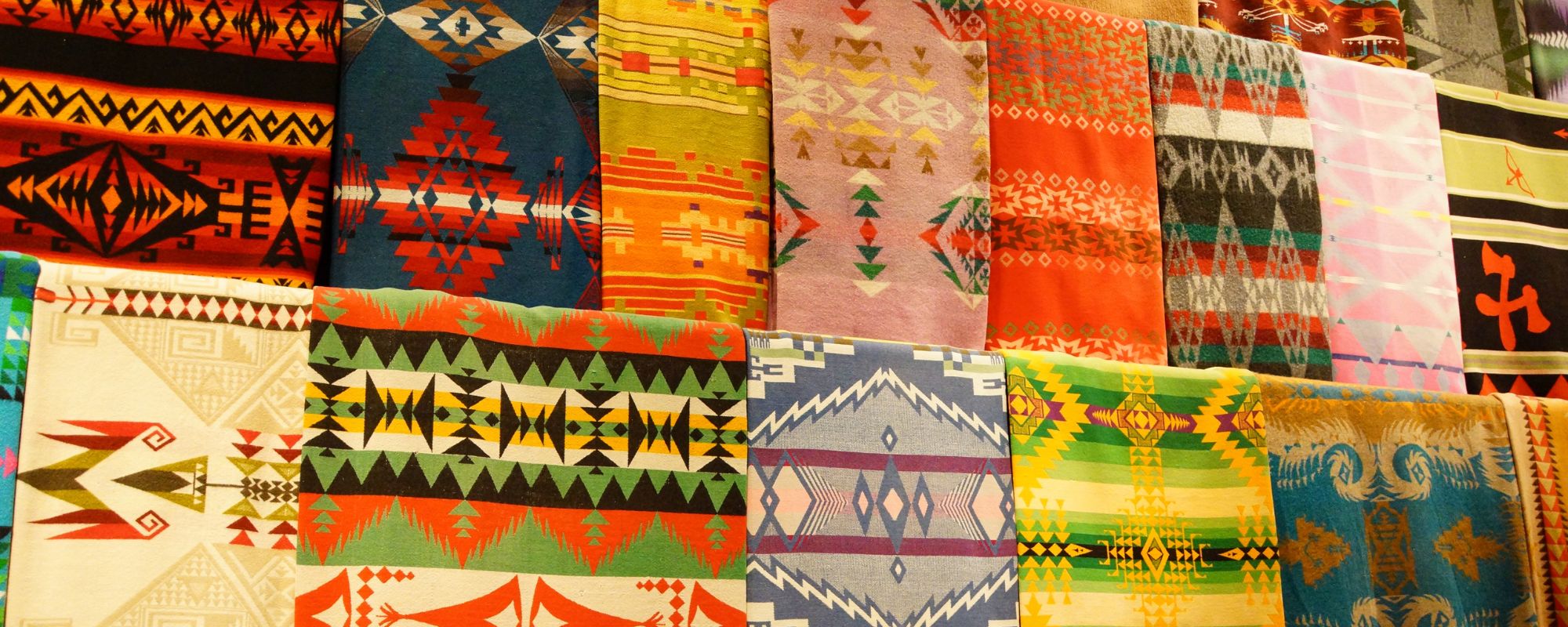
Aliya Health Group’s Native American Program (NAP) exemplifies how culturally grounded recovery can foster long-term healing by restoring not just sobriety, but heritage, identity, and spirit. Through our Wellbriety-certified programming, including Mending Broken Hearts, Medicine Wheel, and 12-Steps, the NAP weaves together traditional Indigenous modalities with evidence-based clinical care — recognizing that meaningful recovery for Native individuals often involves reclaiming ancestral wisdom, processing intergenerational trauma, and rebuilding community connection.
Our Native American rehab centers offer the following:
- Wellbriety Certification & White Bison Curriculum: Aliya Health Group is accredited by White Bison’s Wellbriety Training Institute. Their facilitators lead groups using Wellbriety courses like The Medicine Wheel & 12 Steps, Mending Broken Hearts, and the Red Road to Wellbriety study guide, all centered on cultural identity, values, and trauma healing.
- Ceremonial Healing: The program incorporates sweat lodge ceremonies, smudging rituals, talking circles, and healing circles led by elders or traditional Native facilitators — creating spaces for purification, reflection, and spiritual reconnection.
- Hands-On Cultural Practices: Participants engage in culturally meaningful crafts and practices like drum-making, beadwork, paddle carving, and plant teachings — not only for expression and stress relief, but also for reconnecting with ancestral traditions.
- Holistic Clinical Care: In parallel with traditional practices, participants receive modern evidence-based therapies — individual and group counseling, dual-diagnosis support, trauma-focused work, and more — framed within a holistic model that treats the mind, body, and spirit.
Verify Your Insurance
Looking for quality treatment for substance abuse and mental health that’s also affordable? Aliya's Native American Programs accept most major insurance providers. Get a free insurance benefits check now!
Check Your CoverageTypes of Native American Addiction Treatment Available
The Native American Program (NAP) offers a full continuum of care for substance abuse, meaning that participants have access to every major level of substance use treatment, tailored through a cultural lens.
These include:
- Medical Detoxification: For those beginning their recovery journey, Aliya provides medically supervised detox to safely manage withdrawal.
- Residential Inpatient Treatment: Participants can live on site in one of our Native American inpatient treatment centers, where they can enjoy a structured, supportive environment while engaging in culturally sensitive therapy, traditional healing, and peer support.
- Partial Hospitalization Program (PHP): A day-treatment level of care for individuals who need intensive structure but do not require 24/7 residential support.
- Intensive Outpatient Program (IOP): Participants attend regularly scheduled sessions (therapy, group work, skill-building) while living off-site, giving flexibility with continued support.
- Outpatient Program (OP): The most flexible level, suitable for ongoing recovery — therapy, peer support, and case management without a residential requirement.
Aliya’s Native American rehab centers offer integrated care to treat both addiction and mental health issues, something known as dual diagnosis treatment (Native American rehab centers in Oklahoma offer this). NAP centers are Wellbriety-certified, meaning drug rehab for Native Americans is facilitated by White Bison–trained staff.
Holistic treatment options and traditional healing practices are often integrated into this program, providing a comprehensive approach to addiction recovery. These methods ensure the treatment plan is personalized and culturally sensitive, addressing each individual’s unique needs.
How to Begin Your Recovery Journey
If you or a loved one are seeking Native American addiction treatment, Aliya is here to help. Our Native American Curriculum blends Wellbriety-certified instructors of indigenous backgrounds with dual diagnosis, counseling, medication-assisted treatment, and more. It takes courage to get started, so we’ll make the process easier by helping verify your insurance and getting a clinical referral. We look forward to helping you start your recovery journey.
- SAMHSA, C. for B. H. S. and Q. (n.d.-a). Substance use and mental health issues among U.S.-born American Indians or Alaska natives residing on and off tribal lands. https://www.samhsa.gov/data/sites/default/files/cbhsq-reports/DRAIANTribalAreas2018/DRAIANTribalAreas2018.htm
Emer Simpson, SUDP Medical Reviewer
Emer Simpson serves as the Clinical Director for Royal Life Centers’ detox and inpatient facility in Spokane, Washington. As a seasoned Substance Use Disorder Professional (SUDP), she brings a wealth of knowledge and experience to her practice, offering love, guidance, and unwavering belief that no one is beyond healing from the devastating effects of addiction.

- What Does Laced Weed Look Like? - January 23, 2026
- Understanding the Fentanyl Fold: Warning Signs and Treatment Options - January 20, 2026
- Delayed Emotional Response: What It Is, Why It Happens, and How to Heal - January 19, 2026