Key Takeaways
- Recognizing Physical and Behavioral Signs: Addiction often manifests through physical changes (e.g., weight loss, tremors) and behavioral shifts like missed responsibilities, financial instability, and secrecy.
- Spiritual Disconnection: Addiction can lead to a loss of connection with cultural traditions, ceremonies, and values, creating a spiritual crisis.
- Emotional Instability: Mood swings, unpredictability, and loss of interest in life are common emotional indicators of substance dependency.
- Acting Early: Waiting for “rock bottom” can lead to tragedy. Trust your instincts and seek culturally sensitive treatment options designed for Native families.
Question:
What are some signs that someone in the Native American community is using alcohol or drugs?
Answer:
Addiction in Native families often begins subtly, with physical, behavioral, and emotional changes that escalate over time. Signs like withdrawal symptoms, missed responsibilities, and spiritual disconnection signal a deeper issue. Addiction isolates individuals, but healing thrives in community and cultural connection. Acting early is crucial—waiting for “rock bottom” risks severe consequences. Native-specific treatment programs honor traditions while addressing addiction holistically, offering a path to recovery. Recognizing the problem is the first step toward healing.
Problem: A Guide for Native Families
When you love someone, it’s natural to make excuses for them. You might tell yourself that they are just going through a rough patch, or that they are blowing off steam after a hard week at work. In our communities, where family bonds are tight and resilience is a shared value, we often try to handle problems quietly within the circle. But sometimes, what looks like a rough patch is actually the beginning of a dangerous path.
It is heartbreaking to watch a relative—a son, a cousin, a partner—change before your eyes. You see the light dim in their spirit. You notice they aren’t showing up for family gatherings or ceremonies the way they used to. Yet, the question remains: Is it really addiction? Is it “bad enough” to intervene?
This guide is designed to help you answer that difficult question. We will walk through the clear signs that alcohol or drug use has moved beyond casual consumption and into a territory that requires help. By understanding these signs, you can move from worry to action, honoring your loved one by helping them find their way back to health and balance.
The Cultural Context of Healing and Struggle
For Native families, addiction often carries a different weight than it does elsewhere. We carry the history of our ancestors, both their strength and their trauma. Sometimes, substance use starts as a way to numb pain that isn’t just personal, but generational.
Understanding this doesn’t excuse the behavior, but it helps us approach the problem with compassion rather than judgment. Recognizing a problem isn’t about shaming your relative. It is about recognizing that they have lost their connection—to themselves, to their family, and to their culture. Addiction thrives in isolation, but healing happens in community.
Physical Signs: The Body Keeps the Score
The physical changes are often the first things you notice, even if you try to ignore them. Alcohol and drugs take a toll on the body that becomes harder to hide over time.
Drastic Changes in Appearance
Has your loved one lost or gained a significant amount of weight in a short time? Are they neglecting their personal hygiene? Someone who used to take pride in their appearance—braiding their hair neatly or wearing clean clothes—might start looking disheveled or unwell. You might notice:
- Bloodshot eyes or pupils that are pin-sized or dilated.
- Unexplained bruises, cuts, or marks on their skin.
- A constant runny nose or frequent sniffing (common with snorted substances).
- Tremors, shaking hands, or slurred speech.
The Cycle of Withdrawal
One of the surest signs of dependency is withdrawal. This happens when the body has become so used to the substance that it cannot function normally without it. If your loved one tries to stop or goes a few hours without using, do they get sick?
Watch for flu-like symptoms that seem to happen too often. Nausea, sweating, shaking, and extreme irritability when they haven’t had a drink or a hit are red flags. If they need a substance just to “get straight” in the morning or to stop the shaking, the line into addiction has been crossed.
Looking For Substance Abuse or Mental Health Help?
Get confidential help from our addiction and mental health treatment facilities located across the United States. Call to join one of our quality programs today!
Speak With Our Admissions TeamBehavioral Changes: Actions Speak Louder
Regardless of the substance abused, Addiction changes how a person acts. The person you knew—the reliable brother, the attentive mother—seems to disappear, replaced by someone unpredictable.
Missed Responsibilities
Is your loved one missing work or school frequently? In many of our communities, showing up for family is everything. If they start missing important obligations—forgetting to pick up the kids, skipping a niece’s birthday, or failing to help with a family project they promised to do—it’s a sign that the substance is taking priority over their responsibilities.
Financial Instability and Legal Trouble
Money problems often follow addiction closely. You might notice money missing from your wallet or hear stories about why they can’t pay their bills this month. They might constantly ask for “loans” that never get repaid.
In more severe cases, legal trouble enters the picture. DUIs, arrests for possession, or fights while intoxicated are not just “bad luck.” They are consequences of lost control. If the law is getting involved, the problem has already escalated beyond a private family matter.
Secrecy and Defensive Behavior
Have you tried to ask them if they are okay, only to be met with anger? Addiction protects itself with defensiveness. If you ask a simple question like, “Have you been drinking?” and they explode in rage or turn the blame back on you, pay attention.
They may also become secretive. They might leave the room to take phone calls, disappear for hours without explanation, or hide bottles and paraphernalia in the garage or under the bed. This secrecy creates a wall between them and the family, isolating them further.
Spiritual Disconnection: Losing the Path
For many Native people, wellness is not just physical; it is spiritual. One of the most heartbreaking signs of addiction is a disconnection from spirit and culture.
Stepping Away from the Circle
Did your loved one used to participate in powwows, sweat lodges, or church services? Addiction often makes people feel unworthy or ashamed to participate in these sacred spaces. They might stop coming to the drum circle or refuse to take part in family prayers.
This isn’t just a loss of interest; it is a spiritual crisis. The substance becomes a false idol, demanding all their attention and reverence. When a person disconnects from their traditions, they lose a primary source of strength and identity, making the addiction even harder to fight.
A Shift in Values
You know your loved one’s heart. You know they value honesty, respect, and generosity. Addiction can twist these values. A person who would never steal might take money from an elder to buy drugs. A person who values truth might lie to their partner’s face.
This is not who they are; it is what the disease is doing to them. Recognizing this spiritual shift is crucial. It tells you that the addiction has hijacked their decision-making and their moral compass.
Emotional Instability: The Rollercoaster
Living with someone in active addiction feels like walking on eggshells. Their mood can swing wildly from one extreme to the other, often with no apparent cause.
Unpredictable Mood Swings
One minute they might be euphoric and energetic (often when they are high), and the next they are sullen, depressed, or angry (as the substance wears off). This instability makes it impossible to have a calm conversation or plan for the future.
Loss of Interest in Life
Anhedonia is a medical term for losing interest in things that used to bring joy. Maybe your cousin used to love fishing or beadwork, but now they do nothing but sleep or use. When the only thing that brings them pleasure or relief is the substance, their world shrinks until it contains nothing else.
Verify Your Insurance
Looking for quality treatment for substance abuse and mental health that’s also affordable? Aliya's Native American Programs accept most major insurance providers. Get a free insurance benefits check now!
Check Your CoverageWhy We Wait Too Long to Act
In Native families, we are resilient. We have survived so much by holding on and enduring. Sometimes, that survival instinct works against us when it comes to addiction. We think, “We can handle this ourselves,” or “We don’t want outsiders involved.”
We might worry that seeking help will bring shame to the family name or that our loved one will be mistreated by a system that hasn’t always been kind to our people. Some may worry that their insurance won’t cover treatment. These fears are valid, but they can also be deadly. Addiction is a progressive illness. It does not get better on its own; it gets worse. Waiting for “rock bottom” often means waiting for a tragedy—an overdose, a car accident, or severe health failure.
Trusting Your Gut
If you are reading this, you probably already know the answer. You feel it in your gut. You see the changes. You feel the tension in the house.
Trust that instinct. You are not betraying your loved one by acknowledging they have a problem. You are fighting for them. You are fighting for the person they were before the substance took over, and the person they can be again.
Admitting there is a problem is the first step in breaking the cycle. It is the moment you decide that you love them too much to watch them destroy themselves. It is the moment you decide that your family deserves peace and healing.
What Comes Next?
Acknowledging the problem is painful, but it is also empowering. Once you name it, you can do something about it. You don’t have to fix it all today, and you certainly don’t have to do it alone.
Treatment options for Native Americans today are different than they used to be. There are programs specifically designed for Native people that respect our traditions and integrate cultural healing with medical care. Healing doesn’t mean leaving your identity at the door; it means reclaiming it.
If you recognize these signs—the withdrawal, the legal issues, the spiritual emptiness—it is time to look for a hand to hold. It is time to explore what recovery looks like.
Read what actually happens in Native American treatment programs, step by step.
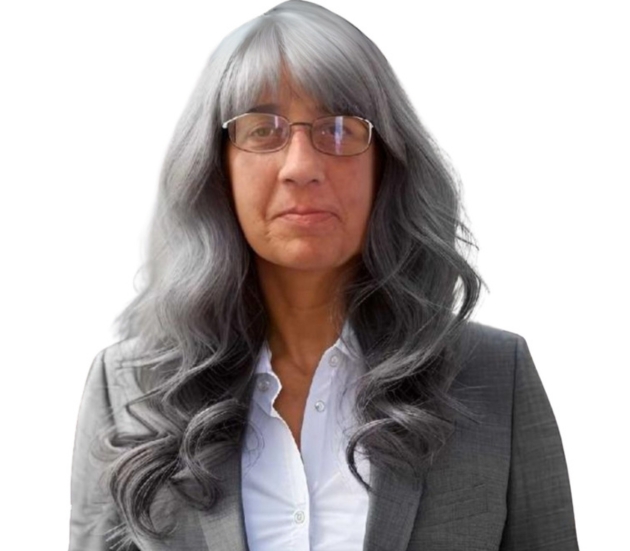
Emer Simpson, SUDP Medical Reviewer
Emer Simpson serves as the Clinical Director for Royal Life Centers’ detox and inpatient facility in Spokane, Washington. As a seasoned Substance Use Disorder Professional (SUDP), she brings a wealth of knowledge and experience to her practice, offering love, guidance, and unwavering belief that no one is beyond healing from the devastating effects of addiction.