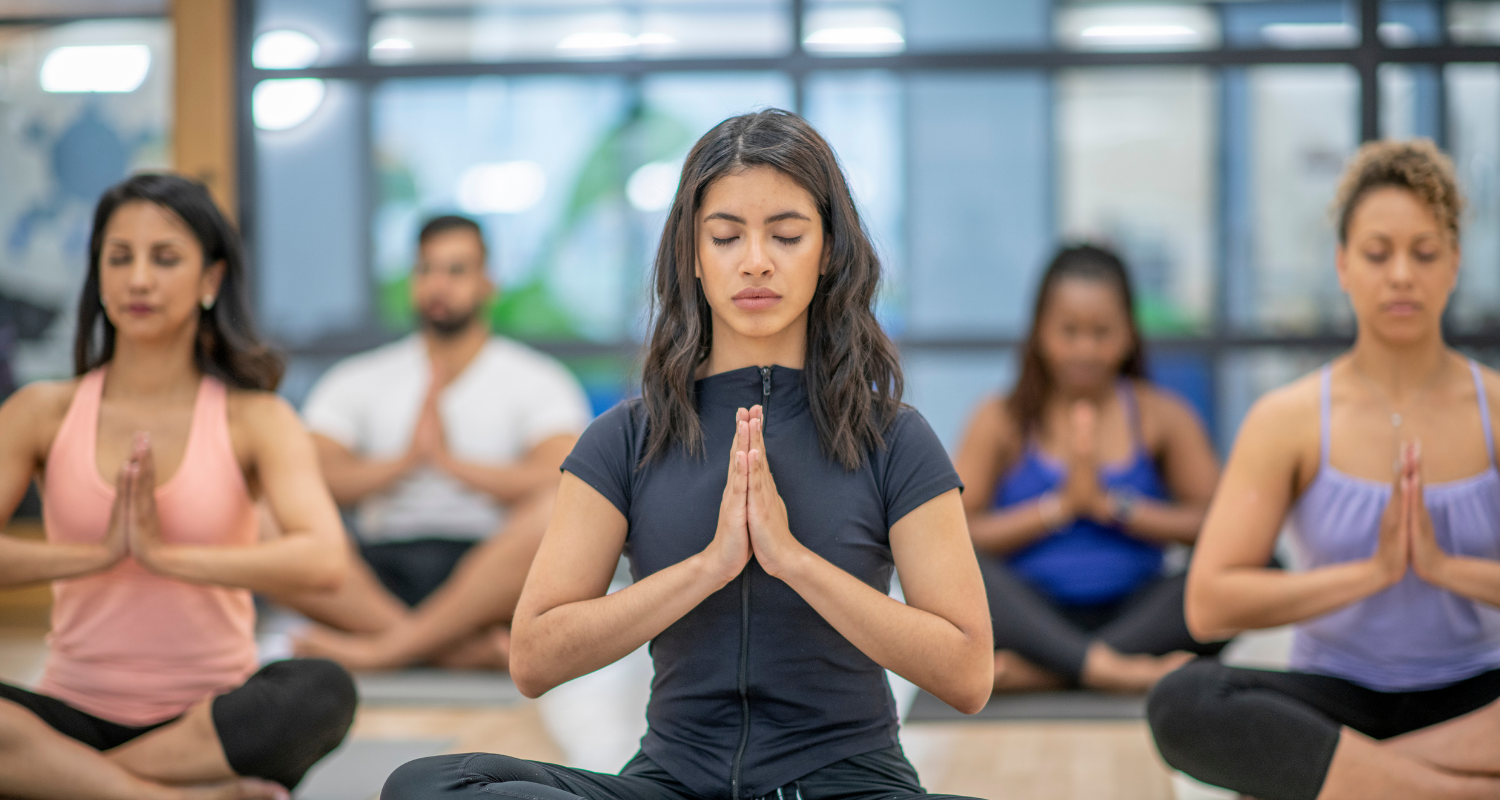
Most people recognize yoga as an ancient Eastern practice with roots in Northern India that date back centuries. However, fewer are familiar with yoga therapy—a therapeutic, holistic approach to healing that blends physical movement, breathwork, and mindfulness in a structured, clinical setting.
At Aliya Native Americans, we are proud to offer yoga therapy as a key component of our integrative treatment programs for mental health and substance use disorders. Backed by both scientific research and powerful personal testimonials, yoga therapy offers whole-person healing for the mind, body, and spirit. Let’s explore how this practice can support your recovery journey.
What Is Yoga Therapy?
Yoga therapy is a specialized form of yoga used as a holistic healing modality. Unlike traditional yoga classes, yoga therapy is designed to be conducted in a therapeutic setting—either one-on-one or in small, therapist-led groups. It combines movement, breathwork, and guided reflection to support emotional healing and self-awareness.
Also known as somatic yoga therapy, this approach focuses less on intense physical exertion and more on the mind-body connection. By aligning breath, movement, and mental focus, yoga therapy helps individuals become more attuned to their internal experiences, leading to improved emotional regulation and personal insight.
How Does Yoga Help Native Americans?
Yoga therapy can be especially impactful for Native American individuals seeking culturally sensitive care. At Aliya Native Americans, we recognize the unique challenges Indigenous people face, including:
- Intergenerational trauma
- Loss of culture and community
- Mental health and substance use disorders
- Limited access to culturally appropriate treatment
Yoga therapy supports healing in these areas through its focus on trauma resolution, mindfulness, breath awareness, and emotional regulation. When blended with Native American traditions and values, yoga offers a culturally relevant path to wellness—one that honors the connection between self, community, and spirit.
Holistic Healing in Recovery
Healing is not just about treating symptoms—it’s about restoring balance across every part of your being. At Aliya Health Group, we embrace a holistic approach to recovery that combines research-based psychotherapy with alternative modalities like yoga, art therapy, and nature-based healing.
Integrative yoga therapy bridges traditional treatment and holistic practices, creating a well-rounded approach that supports emotional, physical, and spiritual healing. Your yoga therapy sessions will complement your broader treatment plan, offering another tool to support long-term recovery.
How Does Yoga Therapy Work?
Guests of Aliya Native Americans who participate in yoga as a holistic therapy technique attend one or more yoga session a week. Depending, our yoga therapy programs are conducted with a group or individually, but are always therapist-led. In a session, the therapist will walk the attendees through various poses, stretches, and movements. As they transition between postures, they’ll be walked through mindfulness and breathing exercises to increase their self-reflection and emotional engagement. One major goal of somatic yoga is the mind-body connection, or the understanding how the work of the mind links to the body’s functioning. As a result, one’s thoughts and emotions can impact how one behaves. Through meditation, individuals increase their self-awareness and concentration. At the end of the session, there will be time to relax the body and focus primarily on the mental and spiritual aspect of yoga therapy.
What Are the Goals of Yoga?
Yoga therapy’s goals can be both general and specific to the person working through the program. Because there is much to gain from the holistic practice of yoga, goals can also be tailored to program tracks, such as recovery for Native Americans. Some of the goals of yoga at Aliya Native Americans are as follow:
- Trauma healing
- Increased mindfulness
- Stress relief
- Physical wellness
- Yoga as a coping skill for symptoms
- Spiritual connection
- A safe environment in which to reflect deeply
What to Expect in Yoga
Guests at Aliya Native Americans may participate in one or more yoga therapy sessions per week, guided by a trained therapist. Sessions can be individual or group-based, depending on your needs. Here’s what a typical session might include:
- Gentle stretches and therapeutic poses
- Breathing techniques (pranayama)
- Guided meditation or body scans
- Time for self-reflection and emotional processing
Unlike more vigorous forms of yoga, somatic yoga emphasizes small, intentional movements linked to breath. The goal is not physical fitness alone, but rather increased self-awareness, emotional regulation, and spiritual grounding. No prior yoga experience is required, and modifications are always offered to meet each person where they are.
What Does Yoga Therapy Help With?
Yoga therapy is effective for treating both substance use disorders (SUD) and mental health disorders. Statistics show both areas of illness are prevalent amongst Native Americans, more so than the rest of the American population. This is due to a number of factors, including historical trauma, poverty, alienation, isolation, and lack of quality care. We treat substance abuse, mental illness, and dual diagnoses in one individualized program for you at Aliya Native Americans.
Yoga for Substance Abuse
Substance abuse can be assessed on a scale ranging in severity. For example, drug experimentation and heavy drinking are warning signs of unhealthy substance use patterns. For people who struggle with alcohol use, they may start down the road of addiction by first binge drinking until they develop high tolerance. With drug abuse, experimentation commonly starts in young adults who feel a sense of peer pressure, often during college. Having a substance use disorder (SUD) like alcohol use disorder (AUD) is the most severe form of addiction. We offer yoga for addiction treatment as part of a comprehensive treatment plan.
Yoga for Mental Health Disorders
Mental health disorders include behavioral disorders, mood disorders, personality disorders, and neurological disorders. Additionally, many people struggle with mental illness symptoms without a formal diagnosis, so they don’t know the root problem. Having a diagnosis opens doors to care, including the options for tailored treatment and prescription medication. Our therapists can diagnose and create treatment plans for mental health disorders. As part of an overall healing program, we offer yoga for mental health.
Yoga for Co-Occurring Disorders
Co-occurring disorders are overlapping illnesses that exist in a person at the same time. They can develop, worsen, or improve, depending on how the person responds to them. A holistic approach to treatment is the best way to heal co-occurring disorders because it believes all areas of pain should be addressed. By looking at one’s mental, physical, emotional, and spiritual health, holistic therapy uncovers the roots of illness and begins to heal them.
What Are the Benefits of Yoga Therapy?
There is much to be gained from yoga therapy along the lines of physical, mental, emotional, and spiritual wellness. Thus, when you practice yoga, you can experience benefits you don’t even anticipate. Let’s discuss some of the benefits of yoga for physical and mental health, specifically.
Benefits of Yoga for Physical Health
Most people think of yoga as an exercise, and certainly it brings physical benefits, regardless of whether you follow a more intensive or lighter movement style. Thus, an increase of physical strength and balance are benefits. Further, based on the holistic nature of yoga, one study found young adults practicing yoga also improved their lifestyle habits. For example, they ate more nutritiously and reduced processed food, and increased their weekly movement for overall increased physical wellness.
Yoga also has some specific health benefits based on research. These include increased flexibility (and thus back pain relief), reduced arthritis symptoms, and better sleep. Further, yoga showed the ability to increase self-restraint with drug use, leading to greater health and wellness.
Benefits of Yoga for Mental Health
Yoga has ample benefits for mental health. In fact, the positive mental and emotional impacts are one main reason why people begin yoga, both therapeutic and more physical versions.
Notably, yoga not only boosts endorphins and lowers stress hormones, it also increases the GABA brain chemical for a reduction in anxiety and worry. And since it’s an easy coping skill, individuals can attend yoga and meditation sessions on their own time outside of center.
Additionally, yoga trauma therapy helps people safely unlock and address unresolved trauma. One study conducted on trauma-sensitive yoga as a trauma healing method found it improved individuals’ coping tools and resilience. Additional results were increased self-compassion, less rumination, and improved interpersonal relationships. These impacts are significant since mental illness can feel incredibly isolating, overwhelming, and inescapable.
How Effective is Yoga
Practicing integrative yoga for therapy is a proven recovery method for people from all backgrounds with all kinds of challenges. Clearly, yoga has physical, mental, and spiritual elements even when practiced outside of a therapeutic setting. However, for people struggling with mental health symptoms, substance use disorders, and co-occurring issues, yoga therapy is especially beneficial. Notably, the more effective way to incorporate yoga into your recovery is by following an integrative mixture of traditional and holistic therapy.
Can Yoga Help Me?
Yes, we are absolutely confident yoga can help you just as it has helped so many before you! It’s a great resource regardless of what you’re going through. The results on physical, mental, and spiritual health speak for themselves. It’s time for you to escape from the confines of pain. Even more, it’s time to eradicate negative self-beliefs, low self-worth, and stagnancy in your illness. At Aliya Native Americans, you will gain the tools to change your life. Some of these resources look like emotional regulation, coping skills, relapse prevention, and concrete assistance in housing, employment, and childcare. Further, we aim to offer support at the community level, bringing healing that extends beyond the individual and into their locale.
Tips for Successful Yoga Therapy
A yoga session is a shared space between multiple people who bring their stories of pain, resilience, and growth. It’s important to be mindful that everyone there is unified in their desire to overcome their challenges with illness. Although there won’t generally be time for discussion built into sessions, your therapist will guide you in collective meditation and reflection. As you complete movements that align with your breath, you’ll feel relaxed, invigorated, and centered. Come ready to open your mind to healing. Since there is a physical element, dress comfortably in clothes you can move in. You should also bring water, and maybe a protein snack for afterwards.
We invite you to try yoga as one of your holistic therapies at Aliya Native Americans by reaching out to us today!