Wellbriety: A Native Pathway to Healing, Recovery, and Balance

Key Takeaways: The Wellbriety Movement is a holistic recovery approach aimed at supporting Indigenous people’s recovery from addiction. Spirituality is a core element of the Wellbriety Movement, incorporating teachings from community Elders. The movement emphasizes a holistic recovery framework that addresses physical, mental, and spiritual well-being while fostering community connections, with resources like White Bison providing vital support for individuals on their recovery journeys. Question: What is Wellbriety? Answer: Substance use, trauma, and historical oppression have deeply affected Indigenous communities across generations. Healing these wounds requires more than clinical treatment alone—it calls for a return to culture, identity, spirituality, and community connection. Wellbriety is a movement and healing philosophy that blends sobriety with holistic wellness rooted in Indigenous tradition. Rather than focusing only on stopping substance use, the Wellbriety approach emphasizes emotional, mental, physical, and spiritual balance. It is about living in a good way, restoring cultural identity, reconnecting with the community, and reclaiming the teachings that foster resilience. At Aliya Health’s Native American Program, Wellbriety principles guide our culturally informed approach to recovery, helping individuals heal not only from addiction but from the deeper wounds that often fuel it. The Wellbriety Movement: An Overview The Wellbriety Movement was founded by Don Coyhis in 1988, inspired by his personal journey of healing from alcohol addiction. This grassroots wellbriety movement aims to support Indigenous people’s recovery from addiction through a holistic approach that integrates culturally based healing with modern therapeutic practices. At its core, the Wellbriety Movement’s mission is to disseminate culturally based principles that support community development and healing from substance abuse. White Bison, the organization established by Coyhis, plays a pivotal role in providing resources and support for the movement. The movement addresses the high rates of addiction and substance abuse within Indigenous communities, emphasizing spirituality and teachings from community Elders as foundational elements. This unique approach differentiates Wellbriety from conventional addiction treatment programs. Intertwining personal wellness with communal growth fosters a supportive environment for recovery. The journey begins with the understanding that recovery is not just an individual endeavor but a collective effort rooted in shared cultural values and spiritual guidance. Integrating Cultural and Spiritual Knowledge The Wellbriety Movement emphasizes recovery through culturally relevant methods tailored for Indigenous individuals. Combining traditional 12-Step principles with Indigenous cultural teachings, Wellbriety addresses substance use disorders in a way that resonates deeply with Native American culture. This integration of cultural and spiritual knowledge is crucial for providing culturally based healing and supporting the overall wellness of individuals and communities. Wellbriety’s holistic approach blends traditional Indigenous values with contemporary therapeutic practices, offering a unique path to recovery that honors the traditions and teachings of Indigenous communities. Incorporating traditional healing practices such as, talking circles, drum circles and sweat lodge ceremonies, the movement fosters a sense of community and shared responsibility, essential for healing intergenerational trauma. Looking For Substance Abuse or Mental Health Help? Get confidential help from our addiction and mental health treatment facilities located across the United States. Call to join one of our quality programs today! Speak With Our Admissions Team Medicine Wheel Teachings The Medicine Wheel is a central element in the Wellbriety approach, representing a holistic view of health that embodies the interconnectedness of life and the importance of balance. The cycles depicted in the Medicine Wheel reflect the stages of life, emphasizing the need to understand these cycles for personal growth and healing. Incorporating the Medicine Wheel into personal recovery can guide individuals toward a balanced life, aligning their physical, emotional, mental, and spiritual well-being. This Native American approach to healing underscores the significance of cultural and spiritual knowledge, providing a framework for understanding health and well-being through the teachings of the Medicine Wheel. Sacred Hoop and Community Connection The Sacred Hoop symbolizes unity and the interconnectedness of all life, reinforcing the importance of community support in the healing process for Indigenous people. This powerful symbol embodies the unity and shared responsibilities among Indigenous communities, highlighting the role of community connection in the healing journey and sacred hoop journeys. Traditional Healing Practices Traditional healing practices are integral to the Wellbriety Movement, honoring Indigenous traditions and strengthening community bonds to combat intergenerational trauma. Activities like drumming and drum circles are included in Wellbriety meetings due to their powerful physical and emotional benefits and their spiritual meaning. These practices not only support personal recovery but also nurture the communal spirit, providing culturally based healing that resonates deeply with Native Americans and their cultural and spiritual knowledge. Verify Your Insurance Looking for quality treatment for substance abuse and mental health that’s also affordable? Aliya’s Native American Programs accept most major insurance providers. Get a free insurance benefits check now! Check Your Coverage Why Wellbriety Matters for Native Communities Mainstream addiction treatment often focuses narrowly on behavior change and symptom management. For Native peoples, this approach can feel incomplete or disconnected from cultural values. Wellbriety offers a model that: Honors cultural identity Addresses trauma from colonization and generational loss Strengthens family and community relationships Reconnects individuals with their traditions and spirituality Provides a pathway rooted in resilience and ancestral knowledge By blending modern treatment with traditional teachings, Wellbriety allows individuals to heal in a way that is culturally safe, empowering, and meaningful. Get Help Today Through the Aliya Native Americans Program If you or a loved one from a Native American community is struggling with addiction, mental health issues, trauma, or co-occurring disorders, you don’t have to face it alone. The Aliya Native Americans Program provides culturally grounded, research-based treatment designed to honor your traditions, support your healing journey, and help you reclaim balance in your mind, body, and spirit. Our program offers drug and alcohol addiction treatment, mental health counseling, trauma-informed care, and holistic wellness services created specifically for Native American individuals seeking compassionate, culturally aligned support. Take the first step toward recovery today. Call us now to connect with a care coordinator who understands your needs and can help you start treatment. Your healing matters, and you deserve a program that respects your culture and supports your long-term
Loneliness During the Holiday Season: Tips for Spending Thanksgiving Alone in Recovery

Key Takeaways: Loneliness in recovery is common during Thanksgiving: Changes in social circles, family strain, and cultural pressure to appear happy can make the holiday emotionally challenging. Loneliness increases relapse risk: Feeling isolated affects the brain and body, heightening stress, cravings, and emotional vulnerability. Practical coping strategies: Plan your day, connect with sober peers virtually or by phone, practice gratitude, volunteer, and prioritize self-care to protect your sobriety. Reframe the holiday and seek support: Focus on reflection, personal growth, and recovery routines; join support groups, build sober connections, and seek professional help if feelings of sadness or isolation become overwhelming. Question: What should I do if I’m alone on Thanksgiving? Answer: Thanksgiving can be a difficult time for people in recovery, especially those who are newly sober. Emotional distance from others, separation from loved ones, and changes in social circles can make the holiday feel isolating. Family conflict or grief and societal pressure to appear happy can intensify these feelings, and loneliness itself has a measurable impact on the brain and body, increasing stress and relapse risk. However, spending the holiday alone doesn’t have to be negative. Practical strategies can help protect sobriety and foster connection, such as planning the day with meaningful activities, reaching out to peers or family virtually, practicing gratitude in a realistic way, volunteering to give back, and engaging in self-care. Thanksgiving is often painted as a time of family, warmth, and celebration. For many, it’s a day filled with large gatherings, shared meals, and cherished traditions. But if you’re in recovery—especially early recovery—this holiday can feel very different. You might experience emotional or mental distance from others because of your sobriety. You may also be physically separated from loved ones due to treatment, travel, or changing relationships. For many people new to recovery, Thanksgiving highlights just how different life looks now compared to years past. But spending Thanksgiving alone doesn’t mean the day has to be empty, painful, or meaningless. It simply means you have a chance to reimagine what this holiday can be. You have the opportunity to create new, healthy traditions that align with your recovery and your well-being. This guide will help you understand why loneliness may feel amplified during Thanksgiving—and offer practical, compassionate strategies to help you protect your sobriety and find comfort, connection, and purpose throughout the day. Why Thanksgiving Can Feel Lonely in Recovery Thanksgiving is emotionally loaded, and recovery adds extra layers that many people don’t fully understand. Even though countless individuals spend the holidays in treatment or navigating sobriety, your experience is unique—and navigating it differently than before can be challenging. Here are some of the most common reasons the holiday may feel lonely: 1. Shifts in Social Circles Recovery naturally reshapes your daily life. You might be physically away from familiar people and places, or you may have intentionally stepped back from old environments tied to substance use. While your recovery peers can become a meaningful support system, you may not yet feel fully connected—especially if you’re still building your sober network. This gap can make the holidays feel particularly isolating. 2. Family or Relationship Strain Holidays tend to intensify complicated emotions around family—whether they’re present, distant, supportive, or estranged. Grief, conflict, disconnection, or unresolved issues can heighten feelings of loneliness. Emotional pain tends to hit harder during days that are “supposed” to feel warm and joyful. 3. Pressure to Feel Grateful and Happy Thanksgiving comes with strong cultural messages about gratitude and cheerfulness. You may feel pressure to appear positive even if you’re struggling. Seeing others celebrate or post picture-perfect holiday scenes can deepen the sense of being out of sync. Gratitude is a powerful tool—but it doesn’t cancel out real emotions. It’s okay to be honest about how you feel, even on a day centered around gratefulness. Looking For Substance Abuse or Mental Health Help? Get confidential help from our addiction and mental health treatment facilities located across the United States. Call to join one of our quality programs today! Speak With Our Admissions Team How Loneliness Increases Relapse Risk Loneliness isn’t “just a feeling”—it affects your body, brain, and stress response. Research shows that loneliness activates the amygdala, heightening fear responses and increasing stress hormones. This can leave you feeling physically tense, mentally foggy, and emotionally vulnerable. Because of this, loneliness can make cravings and relapse triggers stronger. When you feel overwhelmed, your brain may automatically reach for old coping mechanisms. Recognizing loneliness early—and caring for yourself proactively—is one of the most powerful ways to protect your sobriety. Practical Ways to Cope with Loneliness on Thanksgiving If you’re feeling isolated this Thanksgiving, these strategies can help you stay grounded, connected, and sober. 1. Plan Ahead A structured day helps prevent boredom and rumination—two major relapse triggers. Ask yourself: What would make this day feel comforting? What activities would feel meaningful or soothing? Plan out meals, calls with loved ones, meetings, outdoor time, or projects. Treat it like a “choose-your-own holiday” designed just for you. 2. Connect Virtually or by Phone Even if you’re physically alone, you don’t have to be emotionally alone. Many support groups offer holiday meetings, both in-person and online, including: Alcoholics Anonymous (AA) Narcotics Anonymous (NA) SMART Recovery LifeRing Secular Recovery Reach out to peers, sober friends, support mentors, or family members who lift you up. 3. Practice Gratitude—Gently Gratitude is powerful, but it’s not meant to invalidate your feelings. Try making a small gratitude list focused on simple but meaningful things: personal growth, a safe place to live, recovery milestones, your support system, or moments of peace. Let gratitude be grounding—not performative. 4. Volunteer or Give Back Helping others can bring purpose, connection, and perspective. You might: Serve meals at a local shelter Deliver groceries or food baskets Join a community holiday event Donate items Send supportive messages to others spending the holiday alone Acts of service are healing—especially when you’re struggling. 5. Treat Yourself with Compassion Let Thanksgiving become a day of intentional self-care. There’s no rulebook
Holiday Stress and Substance Use: What’s the Connection?

Key Takeaways: Holiday stress is extremely common and can stem from emotional expectations, financial strain, social pressures, and family-related triggers. Many people turn to alcohol or drugs to self-medicate during the holidays, which can worsen stress, increase relapse risk, and create unhealthy coping habits. Recognizing signs of stress-related substance use — such as increased drinking, using to cope, guilt, or withdrawal — is essential for maintaining emotional and physical health. Healthy coping strategies include self-care, setting realistic expectations, planning for high-risk situations, seeking emotional support, and practicing mindfulness. Question: Why does holiday stress cause substance abuse? Answer: The holidays are often portrayed as joyful and peaceful, but for many people they bring significant stress. Emotional pressure to appear happy, financial strain from gift-giving, travel difficulties, and family conflicts can all add up, making this time of year uniquely challenging. As stress builds, many individuals turn to alcohol or drugs for relief, especially since substance use is normalized at holiday gatherings. However, self-medicating only offers brief escape and often leads to emotional crashes, unhealthy habits, or an increased risk of relapse for those in recovery. Recognizing warning signs — such as drinking more frequently, using substances to cope, or withdrawing from supportive relationships — is an important first step. Joy, togetherness, peace, goodwill and selflessness — they arrive wrapped and ready to open during the holidays. While the holidays are portrayed through this ideal lens, the all-too-often reality is that they’re often a source of major stress for many people. A recent poll by the American Psychological Association (APA) tells us that nearly nine in 10 U.S. adults (that’s about 89%) admit to feeling stressed this time of year. And the reasons we’ve all been familiar with at some time or another, from financial strain from gift-giving; tense family dinners; the ache of missing someone who’s no longer here; or hours spent in airports or on highways, often braving the elements. Many people cope by turning to a bottle or illicit substances to cope with the overwhelming feelings that holiday stress can bring, reinforcing the indelible link between holiday stress and self-medication. Keep reading to learn more about how signs of unhealthy coping during the holidays, how to recognize it in yourself or a loved one and ways to find healthier relief. Understanding Holiday Stress Holiday stress is a natural response to a demanding time of year that can manifest in a few ways: Emotional and Psychological Pressure There’s an unspoken societal expectation to be “happy” from Thanksgiving through New Year’s, a pressure that can be challenging to maintain. This constant need to appear cheerful can be emotionally draining. And it’s so often compounded by comparing our own holidays to the seemingly perfect celebrations of others seen on social media — a false reality to live up to. Juggling work, family and social commitments can add to and exacerbate the stress. Financial and Logistical Stress The financial burden of the holidays is an annual, recurring stressor this time of year. Statistics show that nearly two-thirds of people feel pressured to overspend during the holidays, whether it’s for gifts, travel or party expenses. Beyond the budget, the logistical side presents its own time management challenges, from coordinating schedules and planning meals to navigating crowded stores, travel delays and more. Social and Family Triggers Family gatherings and reunions can resurrect old conflicts never resolved or reopen old wounds you thought had healed. Maybe you’ve recently been navigating a divorce, grieving a loss or the anniversary of one. Many people with nobody to spend the holidays with struggle with loneliness and feelings of isolation during this time of year. And these emotional challenges can hit everyone differently in a season that emphasizes togetherness and tradition. Looking For Substance Abuse or Mental Health Help? Get confidential help from our addiction and mental health treatment facilities located across the United States. Call to join one of our quality programs today! Speak With Our Admissions Team How Stress Contributes to Substance Use Self-Medication and Temporary Relief Alcohol and drugs can sometimes seem like a quick fix — a way to “take the edge off” when holiday stress starts becoming too much to deal with. Self-medicating offers a brief respite by numbing difficult emotions at the surface or artificially boosting your mood. And although that glass of wine or pill might seem effective at first, it’s only temporary and costly to yourself. Like with any drugs, the dopamine rush they bring fades quickly, leading to an emotional crash that can make you feel even worse than before. Social Pressure and Accessibility Holiday culture often normalizes heavy drinking. Among office parties, family gatherings, New Year’s Eve celebrations and everything in between, alcohol is everywhere this time of year. And there’s pressure to partake to fit in. This constant exposure and pressure — the “go on, it’s just one drink” mentality — means that substances are always available but hardly avoidable. Increased Risk for Relapse If you’ve been in recovery before, stress can weaken your willpower to stay sober. It can compromise your decision-making and make old coping mechanisms seem appealing again. The emotionally vulnerability of the holidays can reignite old habits and create a perfect storm for relapsing. Recognizing the Signs of Stress-Related Substance Use Pay attention if you notice any of these signs in yourself or a loved one: Drinking or using drugs more frequently during the holidays Using substances to manage emotions, sleep or social anxiety Neglecting self-care or responsibilities Feeling guilt, shame or regret after using Withdrawal from supportive people or sober activities If you’re beginning to lean on substances to get through social events or family time, it may be time to reassess your coping strategies and learn new ones. Healthy Ways to Cope with Holiday Stress With some intention and planning, you can boost your mental health and navigate the holiday season substance-free: Practice Self-Care Your basic needs don’t disappear during the holidays — they become more important. Protect your sleep schedule,
What to Expect at a Native American Rehab in Prescott, AZ

Key Takeaways: The program offers a residential inpatient setting where participants engage in detoxification and sustained treatment, not just short-term fixes, and treatment addresses both substance use and mental health challenges (dual diagnosis). We use traditional Native American healing practices at every stage: ceremonial work, talking circles, connection to cultural identity, and spiritual reconnection are woven alongside evidence-based therapies. The treatment experience emphasizes healing of the whole person — mind, body and spirit — including life-skills development, relapse-prevention education, and rebuilding of community, culture and identity, not just stopping use of drugs or alcohol. Participants follow a structured journey: from assessment and medical detox if needed, into residential care deeply rooted in culture, then into aftercare planning and ongoing support — all in a setting that honours Native heritage and fosters long-term recovery. For many Indigenous people, addiction, trauma, and emotional pain are deeply intertwined with cultural, historical, and community life. If you’re seeking recovery services, finding a program that understands this context can be a powerful step. That’s why choosing a native american rehab in Prescott, AZ matters—it offers a healing environment grounded in culture, community, and a holistic approach to wellness. Why a Prescott Native American Rehab Makes Sense In the Prescott area, an Indigenous‑centered rehab program can provide: Access to services attuned to Native culture, language, and traditions, allowing you to engage in recovery without losing connection to your heritage. A facility experienced in addressing trauma, substance misuse, and mental‑health issues commonly found in Indigenous populations. Continuity of care in a region rich in quiet, natural settings—ideal for reflection, ceremony, and rebuilding. What to Expect in a Culturally‑Focused Program A quality native‑specific rehab in Prescott will provide: Cultural healing practices: traditional ceremonies, smudging, talking circles, connection to ancestral roots. A full continuum of care: from medically supervised withdrawal (“detox”), through residential and inpatient care, to outpatient and aftercare support. Behavioral health integration: treating mental‑health conditions and substance use together, rather than in isolation. Therapeutic and cultural engagement: individual counseling, group sessions, trauma‑informed care, relapse‑prevention, and cultural reconnection. Community & identity restoration: helping you restore ties to tribe, culture, land, and purpose—essential elements for long‑term recovery. Looking For Substance Abuse or Mental Health Help? Get confidential help from our addiction and mental health treatment facilities located across the United States. Call to join one of our quality programs today! Speak With Our Admissions Team Why Prescott, AZ is a Good Place for Rehab Opting for a rehab in Prescott means you’ll find a location that balances accessibility with solitude—an environment conducive to healing. You won’t be far from home if you’re in Northern Arizona or prefer a quieter setting than major metro areas. Choosing a native‑aware program here means you’re not just entering treatment—you’re entering a space that honours Indigenous identity and supports a path to lasting recovery. Ready to Begin Your Journey? If you or a loved one are searching for a Native‑American‑specific rehab in Prescott, AZ, here are some helpful first steps: Ask about culture‑based programming: Are there Native‑led ceremonies, traditions, and a staff that understands Indigenous healing? Check the levels of care: Does the facility offer detox, residential/inpatient, outpatient, relapse‑prevention, and aftercare? Understand how they integrate culture with evidence‑based practices like CBT, trauma therapies, and life‑skills training. Verify that long‑term support is part of the plan—not just short‑term sobriety, but sustained recovery rooted in culture and identity. Confirm insurance coverage, location, and whether the program is truly designed for Native American individuals (rather than a generic mainstream model). Choosing a native‑informed rehab in Prescott means you’re entering a space where your heritage matters, your healing matters, and your future matters. If you’re ready to take that step, reach out today and ask about a culturally aligned treatment plan in Prescott, AZ built to support your journey—body, mind, and spirit. Verify Your Insurance Looking for quality treatment for substance abuse and mental health that’s also affordable? Aliya’s Native American Programs accept most major insurance providers. Get a free insurance benefits check now! Check Your Coverage Start Your Journey to Recovery at a Native American Treatment Center in Prescott, AZ If you or a loved one is struggling with substance abuse, drug addiction, or alcohol use disorders, healing begins at a Native American treatment center that understands the connection between mind, body, and spirit. Our residential treatment facility in Prescott, Arizona, offers culturally sensitive care that blends traditional Native American healingwith evidence-based therapy and health education for lasting addiction recovery. Start Today! Our rehab centers in Arizona provide a safe and supportive environment where every treatment plan is designed to honor culture and community. Through medical detox, residential inpatient care, and individual treatment, our treatment programs address both substance use disorders and cooccurring mental health challenges. At our Native American drug rehab center, we incorporate traditional healing practices—including ceremony, talking circles, and teachings that restore balance to body and spirit. Our compassionate treatment providers focus on dual diagnosis treatment, relapse prevention, and developing life skills that support long-term wellness and sober living. If you’re seeking a treatment facility that truly incorporates traditional healing practices and provides culturally grounded care, our residential substance use treatment program in Prescott is here for you. Take the first step toward balance, strength, and renewal—connect with a recovery center rooted in Native American culture and begin your journey to recovery today. REFERENCES Gameon, J. A., & Skewes, M. C. (2021, May). Historical trauma and substance use among American Indian people with current substance use problems. Psychology of addictive behaviors : journal of the Society of Psychologists in Addictive Behaviors. https://pmc.ncbi.nlm.nih.gov/articles/PMC8084991/
Finding Culturally‑Grounded Healing at a Native American Rehab in Phoenix, AZ
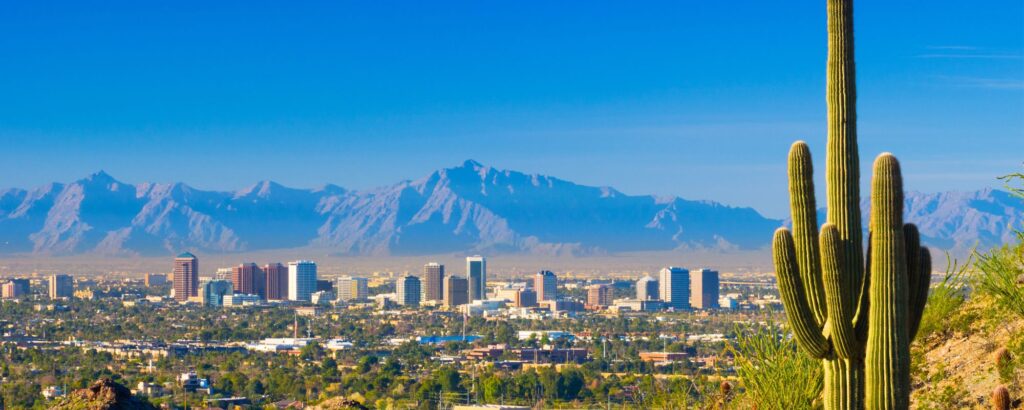
For many Indigenous individuals, addiction and trauma are deeply connected to historical, cultural and community experiences. When seeking help, having a recovery program that understands this context makes all the difference. That’s why choosing a native american rehab in Phoenix matters—because in Phoenix, Arizona, there are treatment centres built to serve Native American communities with respect, culture and healing at the core. Why a Phoenix‑based Native American Rehab Works In the Phoenix area, organizations like the Aliya Native American Program provide outpatient and residential addiction treatment that blends traditional ceremonies, talking circles and Indigenous‑led healing with modern behavioral‑health and substance‑abuse treatment models. Choosing a local program offers benefits: Access to services attuned to Native culture, language and community connection A treatment centre familiar with co‑occurring disorders, trauma and substance abuse in Indigenous populations Continuity of care in a region with other supportive resources (housing, behavioral health, community services) What to Expect in a Native‑Focused Rehab Program A properly designed Native American rehab program in Phoenix will include: Culturally appropriate healing: traditional Native practices, drumming, smudging, talking circles, reconnecting to heritage Full continuum treatment: from detox or medically‑supervised withdrawal, to inpatient/residential care, outpatient, relapse‑prevention and aftercare Behavioral health integration: assessment and treatment of mental‑health disorders alongside substance‑abuse issues Culturally informed therapy: individual counseling, group work, trauma‑informed care, relapse‑prevention, life‑skills, cultural reconnection Community and identity restoration: rebuilding connection to tribe, land, culture and community while working toward long‑term recovery Looking For Substance Abuse or Mental Health Help? Get confidential help from our addiction and mental health treatment facilities located across the United States. Call to join one of our quality programs today! Speak With Our Admissions Team Why Rehab in Phoenix Is a Good Fit For many Native Americans, choosing a rehab in Phoenix means access to culturally competent care that doesn’t require relocating far from home. It also means being part of a recovery setting that honors Indigenous identity and healing traditions—factors shown to improve engagement and outcomes. Take the First Step If you or a loved one are seeking a Native American rehab center in Arizona, here are some steps to get started: Call and ask about their cultural‑programming: do they offer traditional practices? Are there Native staff or ceremonies? Ask about treatment for co‑occurring disorders, trauma history and whether detox, residential, and outpatient levels are available. Check how they integrate culture with evidence‑based practices: cognitive behavioral therapy (CBT), relapse‑prevention, wellness models, life skills. Ask about aftercare and long‑term support: how do they ensure not just short‑term sobriety but long‑term recoveryrooted in identity and community? Confirm location, insurance/insurance‑acceptance, and whether the program is truly designed for Native American individuals (or is simply generic). Verify Your Insurance Looking for quality treatment for substance abuse and mental health that’s also affordable? Aliya’s Native American Programs accept most major insurance providers. Get a free insurance benefits check now! Check Your Coverage Start Your Healing Journey at a Native American Rehab in Phoenix Recovery is more than stopping substance abuse—it’s reclaiming culture, identity and purpose. Choosing a native‑informed rehab in Phoenix means you’re not just treated—you’re understood. If you’re ready to begin your journey of healing in a place that honours your heritage and supports your path to wellness, reach out today and ask about a culturally grounded treatment plan for the long‑term. If you or a loved one are struggling with substance use disorders, drug addiction, or alcohol addiction, it’s important to seek a recovery center that understands both the cultural and clinical needs of Native Americans. Our treatment programs in Phoenix offer a full continuum of care, including inpatient rehab, residential substance use treatment, intensive outpatient programs (IOP), and outpatient treatment, all tailored to provide culturally sensitive care. Our rehab centers combine medical detox, alcohol detox, and medication-assisted treatment with traditional healing practices and experiential therapy, creating a holistic approach to addiction recovery. We address dual diagnosis treatment and mental health conditions, ensuring that addiction and mental health are treated together for the best outcomes. With programs that include relapse prevention, sober living, and ongoing wellness center support, our Phoenix-based drug rehabs in Arizona offer culturally aligned care that helps adults reconnect with their heritage while achieving long-term recovery. Insurance Accepted We accept a wide range of insurance and provide guidance on rehab costs, making access to care easier. Don’t wait—take the first step toward healing through traditional healing practices, supportive treatment providers, and substance use treatment designed specifically for Native Americans. Call today to explore your options and begin your journey at a Native American rehab in Phoenix where culture, community, and recovery meet. REFERENCES Gameon, J. A., & Skewes, M. C. (2021, May). Historical trauma and substance use among American Indian people with current substance use problems. Psychology of addictive behaviors : journal of the Society of Psychologists in Addictive Behaviors. https://pmc.ncbi.nlm.nih.gov/articles/PMC8084991/
Discovering Hope: A Native American Recovery Center Built on Culture, Tradition & Healing
Key Takeaways: The blog emphasizes that Indigenous communities face higher rates of addiction, trauma, and mental health issues and therefore need a recovery center designed with cultural relevance, not just standard care. The featured center integrates traditional Indigenous practices (ceremonies, talking circles), trauma‐informed and dual‐diagnosis care, and a holistic mind‑body‐spirit approach to healing. It highlights that recovery is not just about abstaining from substances—it’s about reconnecting with heritage, land, ceremony, community and building a future through purpose and resilience. The blog invites Native American individuals (and allies who value Indigenous approaches) to join a culturally aligned program offering full continuum care—from detox to outpatient—and stresses that culture and identity are central to long‑term recovery. In communities across the United States, Indigenous people face unique challenges when it comes to addiction, trauma, and mental health. That’s why a true native american recovery center must deliver more than just standard care—it must embrace culture, community, spiritual healing, and resilience. At Aliya Native American Program, we believe healing begins when we honour who we are. Why a Native American-centric Recovery Center Matters Statistics show that Native American and Alaska Native communities experience higher rates of substance use disorders, mental-health challenges, and trauma. Many of the underlying issues are tied to historical trauma, loss of culture, poverty and systemic inequities. A recovery center designed to serve Native people—and open to others who value Indigenous approaches—recognizes that standard models alone are not enough. According to research, integrating traditional healing practices with evidence-based Western therapies improves engagement and outcomes. What Sets Our Native American Recovery Center Apart At our center, we offer a comprehensive healing experience founded on cultural competence and experiential care: Cultural integration: Traditional teachings, ceremonies, talking circles and Indigenous-led sessions are woven into treatment. These help restore identity, pride and connection to community. Dual-diagnosis & trauma-informed care: We understand that many individuals come with both a substance use disorder and co-occurring mental health or trauma issues. Healing must address all layers. Holistic mind-body-spirit approach: Beyond detox and therapy, our focus is on wellness—spiritual renewal, physical health, cultural reconnection. Community & continuity: Recovery isn’t an isolated event; it’s a journey that reconnects you to family, tribe, community and culture. Accessible & appropriate: Recognizing the barriers many Native people face (insurance, geography, stigma), our center is intentional about outreach, respect and removing obstacles. Looking For Substance Abuse or Mental Health Help? Get confidential help from our addiction and mental health treatment facilities located across the United States. Call to join one of our quality programs today! Speak With Our Admissions Team Who Can Benefit from a Native American Rehab Center? If you or a loved one are struggling with addiction or mental health challenges and resonate with any of the following, our native american recovery center may be a good fit: You identify as Native American or Alaska Native and seek a treatment environment that honours your heritage and identity. You are non-Native but value Indigenous healing practices and want a culturally enriched recovery experience. You are coping with trauma, loss of cultural connection, or intergenerational trauma that fuels addiction. You want more than just clinical treatment—you want reconnection, purpose, belonging and strength through culture. Recovery Beyond Addiction: Reconnecting with Culture, Purpose & Future Recovery is about more than abstaining from substances—it’s about rebuilding life. In our Native American rehab program, “recovery” means finding sovereignty over your life, healing wounds, restoring relationships, reclaiming cultural roots, and stepping into a future of possibility. For Native communities especially, healing often involves: Re-establishing connection to language, land, tradition and ceremony. Addressing historical and generational trauma (not as the only story, but as part of the journey). Finding a path that honours both cultural knowledge and modern therapeutic practices. Building resilience, purpose and service to community—transforming personal recovery into collective strength. Verify Your Insurance Looking for quality treatment for substance abuse and mental health that’s also affordable? Aliya’s Native American Programs accept most major insurance providers. Get a free insurance benefits check now! Check Your Coverage Start Your Healing Journey at a Culturally Grounded Recovery Program for Native Americans If you or a loved one is struggling with substance abuse, know that healing begins with understanding—of mind, body, spirit, and culture. Our treatment center for American Indians offers culturally appropriate care that blends traditional Native healing with evidence-based behavioral health therapies. At our wellness center, each treatment plan is designed to honor cultural and spiritual traditions while supporting long-term recovery. From medical detox and partial hospitalization to intensive outpatient and residential treatment programs, our treatment facility provides the full continuum of care for alcohol and drug addiction. Take the First Step If you’re searching for a native american recovery center, know that help is out there. Reach out, ask questions, explore what makes the center culturally aligned with your needs. At the Native American Program, we welcome you to learn more, connect with our admissions team and begin a journey of healing grounded in tradition and hope. Call us, explore our website, ask about culture-based programming, ceremony, dual-diagnosis care, aftercare support and what makes our center different. We combine individual counseling, group therapy, and relapse prevention with traditional practices like the Medicine Wheel, talking circles, and ceremony to create a truly holistic treatment experience. Whether you’re beginning recovery or transitioning from other rehab centers, our approach ensures every person receives the support they need for sustained addiction recovery. If you’re seeking treatment for Native American individuals rooted in community and culture, our drug treatment and substance abuse treatment programs can help you reconnect, rebuild, and reclaim your life. Call or reach out today to learn how our center provides compassionate, culturally centered addiction treatments for those facing cooccurring disorders and other health disorders. Begin your journey toward healing and balance—recovery the Native way. Your heritage, your healing, your future—they matter. At the Native American Program, we’re here to walk that path with you. REFERENCES Gameon, J. A., & Skewes, M. C. (2021, May). Historical trauma and substance use
Native American Rehab Centers in Oklahoma: A Focus on Culture, Community & Recovery
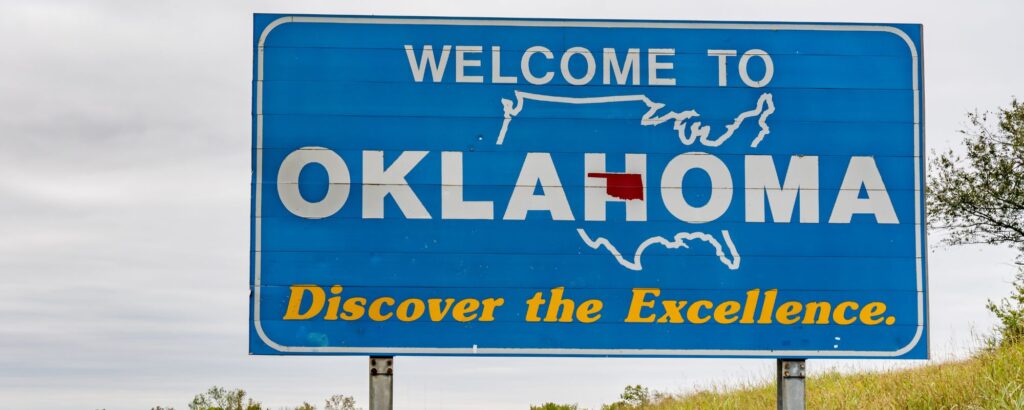
Key Takeaways Oklahoma is home to many dedicated native american rehab centers that combine research‑based addiction treatment with tribal culture and community support. Native American populations face higher rates of substance use disorders and binge alcohol use than many other groups, highlighting the need for culturally informed rehabilitation. Effective programs blend clinical care (e.g., partial hospitalization, behavioral therapy) with Native traditions, tribal healing practices and family involvement. Locating the right facility in Oklahoma means evaluating services, cultural competence, tribal affiliation, insurance support and after‑care planning to support long‑term recovery. Native American Rehab Centers in Oklahoma: A Focus on Culture, Community & Recovery When searching for “native american rehab centers in Oklahoma,” it’s important to recognize that treatment for indigenous individuals and tribal communities involves more than a standard rehab model. In Oklahoma—home to 39 federally recognized tribes—programs must meet unique cultural, historical and social needs. This page outlines how Native‑American‑specific rehabilitation in Oklahoma works, why it matters, what to look for, and how our program at Native American Program (NAP) aligns with these standards.When you choose a rehab center in Oklahoma, especially one serving Native Americans, you’re looking for a program that understands the interplay of historical trauma, cultural identity, community ties, and quality care. What to Look For in Native American Rehab Centers in Oklahoma Here are key features and questions to guide your decision: Cultural Competence: Are staff trained in Native traditions? Are tribal elders or Native mentors involved? Does the program incorporate talking circles, drumming, sweat‑lodge or other culturally relevant practices? Appropriate Treatment Levels: Does the center offer partial hospitalization (PHP), residential/live‑in programs, outpatient/IOP tracks to match your stage of recovery? Family & Community Engagement: Does the program involve family, tribe or community support? Does it respect the role of tribal identity and community healing? Insurance & Access: Does the facility work with tribal health services, Medicaid/SoonerCare, Indian Health Service (IHS) referrals, or have sliding‑scale/financial assistance for indigenous clients? Dual Diagnosis & Behavioral Health: Many Native individuals have co‑occurring mental health issues, trauma histories, or behavioral health needs — is that addressed? Aftercare & Sustainability: Does the program offer ongoing support (peer groups, sober‑living, tribal linkage) to prevent relapse and promote sustained recovery? Setting & Environment: Is the location safe, respectful of Native culture, and provides an atmosphere that supports healing rather than stigma? By asking these questions of “native american rehab centers in Oklahoma,” you’re selecting not just care — but care attuned to identity, heritage and tribal community. Looking For Substance Abuse or Mental Health Help? Get confidential help from our addiction and mental health treatment facilities located across the United States. Call to join one of our quality programs today! Speak With Our Admissions Team How NAP’s Oklahoma Location Serves Your Journey At Aliya Native American Program’s Oklahoma location, we have designed our services around the unique needs of Native communities while following best practices in addiction treatment: Integrated Treatment Model: We combine research-driven approaches (behavioral therapy, relapse prevention) with culturally relevant healing—honoring tribal values, traditions, and community connection. Flexible Care Levels: Our Oklahoma site supports partial hospitalization and step‑down care when needed, to meet you where you are in your recovery journey. Tribal & Community Partnership: We collaborate with local tribes, tribal health authorities and Native mentors to ensure services feel authentic and respectful. Comprehensive Aftercare: We help connect clients to tribal support networks, sober‑living, peer groups and family involvement to reinforce recovery long‑term. Access & Support: We work with tribal health coverage, state programs and private insurance to reduce barriers many Native people face in accessing care. If you or a loved one are searching for a “native american rehab center in Oklahoma,” our program provides both clinical excellence and cultural grounding. Verify Your Insurance Looking for quality treatment for substance abuse and mental health that’s also affordable? Aliya’s Native American Programs accept most major insurance providers. Get a free insurance benefits check now! Check Your Coverage Taking the Next Step in Rehab Finding a rehab center that aligns with your cultural identity, your community, and your treatment needs is crucial. If you are a member of a native tribe in Oklahoma or have native roots, asking for a program that recognizes your culture isn’t just helpful—it may significantly improve your recovery outcomes. When you’re ready: Reach out for a confidential assessment to determine your best level of care. Ask about the cultural components of the program and how they support Native healing. Review the treatment levels and aftercare offered, especially partial hospitalization or residential options in Oklahoma. Confirm that the facility works with your tribe, tribal health services or state programs for support. Recovery is a personal journey—but it’s also one deeply rooted in community, tradition and identity. For Native Americans seeking rehabilitation in Oklahoma, choosing a program that honors all these facets can help you reclaim health, purpose and connection. Begin Your Path to Recovery in Oklahoma City If you or a loved one are struggling with substance abuse, our recovery center in Oklahoma City offers comprehensive support for individuals and families. Our programs include residential treatment programs, medical detox, and intensive outpatient care designed to meet your unique needs. At our treatment center, we honor Native American culture and integrate healing practices like the Red Road and Medicine Wheel into our substance abuse program, creating a holistic approach to addiction recovery. Our services include alcoholics anonymous, community support, and structured abuse programs to foster lasting change. Start Today! Whether you’re seeking rehab in Oklahoma, drug rehabs, or alcohol and drug treatment programs, we provide culturally aware care that supports both public health and community health. Our substance abuse treatment options combine clinical expertise with respect for your traditions and values. Take the first step toward healing and reclaim your life—contact our Oklahoma City recovery center today and explore the treatment programs that can guide you toward a healthier future. REFERENCES Samhsa. (n.d.). https://www.samhsa.gov/data/sites/default/files/quick_statistics/state_profiles/NSSATS-US19.pdf Oklahoma. (n.d.-a). https://oklahoma.gov/content/dam/ok/en/odmhsas/documents/a0003/exam-site-information.pdf
The Value of Native American Alcohol Treatment
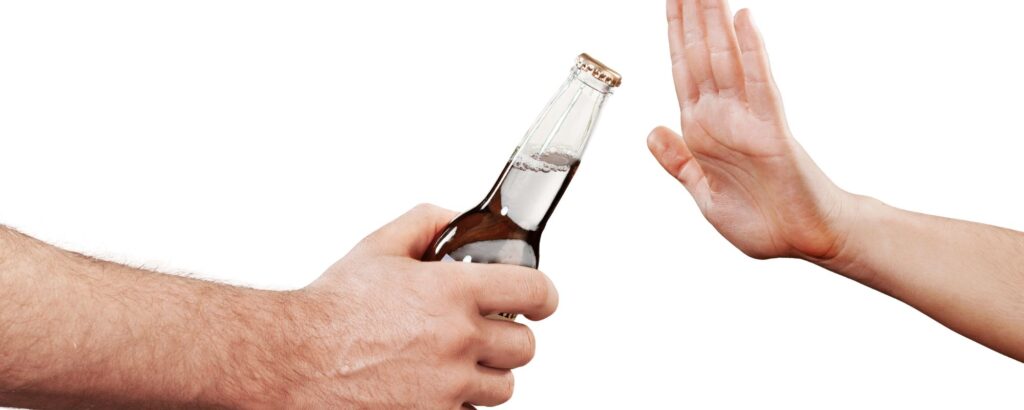
Key Takeaways: Native American communities face disproportionately high rates of alcohol use disorders, making culturally sensitive intervention essential. Effective programs for “Native American alcohol treatment” combine evidence‑based clinical methods with Indigenous healing practices and cultural identity work. Barriers to care—such as lack of culturally‑appropriate services, geographic isolation, insurance gaps, and historical trauma—must be addressed in any successful treatment plan. Sustainable recovery often involves community and tribal support, integration of spiritual/cultural practices, and aftercare that honors Native American resilience and traditions. Understanding Native American Alcohol Treatment At Native American Program (NAP) we recognize that treatment for alcohol use among Native American individuals isn’t a one‑size‑fits‑all model—it requires sensitivity to culture, community, and history. This page is designed for those exploring pathways to recovery and seeking a program grounded in culturally competent care tailored for Indigenous people and their allies. Why Focus on Native American Alcohol Treatment? Members of American Indian and Alaska Native (AI/AN) communities face some of the highest rates of alcohol and substance‑use disorders in the U.S. — in part due to social determinants, historical trauma, and limited access to culturally appropriate care. For example: Many Indigenous individuals encounter treatment barriers including transportation, lack of nearby tribal programs, insurance issues, and cultural mismatches in care. Cultural identity, spiritual connection, and community engagement play a foundational role in recovery for Native populations. When developing a dedicated offering for “Native American alcohol treatment,” it’s critical to integrate clinical best practices with culturally affirming frameworks—this is what NAP seeks to deliver. What Does Culturally Competent Alcohol Treatment Look Like? Here are key components of an effective Indigenous‑focused alcohol treatment model: Combined Approach: Evidence + TraditionWhile evidence‑based practices (CBT, motivational interviewing, relapse prevention) are vital, equally important are Indigenous healing traditions—such as talking circles, sweat lodge ceremonies, smudging, drumming—and cultural strengthening of identity. Integrated models produce better engagement and outcomes. Addressing Historical & Intergenerational TraumaUnderstanding how forced relocations, boarding schools, systemic discrimination and loss of cultural continuity influence alcohol misuse is essential. Treatment settings must account for these layers of trauma and resilience through trauma therapy options. Welcoming Native and Non‑Native Participants with RespectWhile designed for Indigenous individuals, a culturally competent program is welcoming and inclusive of non‑Native allies who value and respect Indigenous healing traditions. NAP offers that kind of environment. Community and Family InvolvementRecovery isn’t just individual—it’s relational. In many Native cultures, family, extended kin, tribal community and ancestral connection matter deeply. Programs should weave in family healing, community support and opportunities to restore relationships. Aftercare and Continuity of SupportSustaining sobriety means ongoing support: alumni groups, sober‑living options, tribal peer networks, cultural gatherings—and opportunities to continue reconnecting with heritage and purpose. Many Indigenous‑certified programs set this expectation. Looking For Substance Abuse or Mental Health Help? Get confidential help from our addiction and mental health treatment facilities located across the United States. Call to join one of our quality programs today! Speak With Our Admissions Team How the Native American Program (NAP) Serves You At NAP we tailor our Native American alcohol treatment offerings with these key features: Individual & Group Counseling: Led by clinicians trained in substance‑use disorders and culturally competent care, including Native facilitators. Traditional Healing Activities: These may include talking circles, smudging, drumming, ancestral storytelling, and culturally grounded rituals—designed to restore identity, purpose and community connection. Dual‑Diagnosis Capable: Recognizing that alcohol use often co‑occurs with trauma, depression, anxiety or other mental‑health struggles, we provide an integrated approach. Family & Community Engagement: Family therapy options, community circles and involvement of tribal supports help rebuild relational ties. Aftercare Planning & Support Network: Before discharge, each client receives a personalized continuum‑of‑care plan, including referrals to tribal or Indigenous community supports, outpatient treatment, sober living homes and alumni networks. Insurance Navigation & Access Support: We work with tribal health services, Medicaid/Medicare, private insurance and sliding‑scale options to reduce access barriers. Finding the Right Fit: Questions to Ask When evaluating a program for Native American alcohol treatment, consider asking: Does the program include trained Native clinical staff or cultural mentors? Are traditional healing practices incorporated in a meaningful—not token—way? How does the program address historical trauma, cultural loss and identity restoration? What is the aftercare plan and how does the program connect clients with tribal/community networks or sober living options? Is the facility licensed and accredited and aware of Native‑specific access issues (remote location, transportation, tribal funding)? What is the community/family involvement model—does it engage families and their unique dynamics? Verify Your Insurance Looking for quality treatment for substance abuse and mental health that’s also affordable? Aliya’s Native American Programs accept most major insurance providers. Get a free insurance benefits check now! Check Your Coverage Closing Thoughts Recovery from alcohol use is both a personal journey and a communal one—especially within Native American contexts. Programs like NAP embrace not only sobriety but wholeness: honoring identity, restoring relationships, and fostering purpose. For Indigenous individuals and their families seeking a pathway forward, culturally‑rooted treatment offers a bridge between clinical excellence and ancestral strength. If you or a loved one are looking for Native American‑focused alcohol treatment solutions, we welcome you to contact NAP for a confidential assessment and help identifying the path that resonates with your culture, community and recovery goals. Reclaim your strength, your purpose, and your connection to culture. Healing begins when you choose to walk the path toward recovery. Take the First Step Toward Recovery Today Alcohol abuse among Native American populations is a serious concern, with patterns of alcohol use influenced by genetic predisposition, social and cultural factors, and historical context. Binge drinking, alcohol dependence, and the prevalence of alcohol-related health consequences—like liver disease—affect many individuals across Native communities and American Indian populations. If you or a loved one struggles with alcohol consumption, substance use disorders, or co-occurring abuse and mental health issues, help is available. Our treatment center offers comprehensive addiction treatment programs tailored to the Native American population, including partial hospitalization, behavioral therapy, culturally-informed prevention programs, and support that honors the traditions of native American tribes. Recovery isn’t just
Reconnecting Culture and Healing: Native American Drug and Alcohol Rehab That Honors Identity

Substance use continues to deeply affect many Indigenous communities across the country. High rates of overdose, alcohol dependence, and untreated co-occurring disorders have made culturally grounded substance abuse treatment an urgent priority. Beyond the physical effects, addiction often carries the weight of intergenerational trauma and cultural disconnection. A holistic treatment facility that respects heritage, spirituality, and traditional values provides a more meaningful path toward recovery from addiction. This is the foundation of culturally appropriate treatment programs—where patients rediscover identity, balance, and belonging on the journey toward healing from alcohol and drug abuse. Why Cultural Healing Matters Many mainstream treatment centers fail to address the deeper causes behind addiction in Indigenous populations. True recovery must go beyond detox or therapy—it must include healing the spirit. Programs addressing trauma, grief, and loss through traditional medicine and traditional healing help rebuild what substance use may have taken away. Healing practices such as sweat lodges, smudging ceremonies, and the Red Road philosophy create opportunities for reflection, forgiveness, and renewal. When combined with counseling, relapse prevention, and skill-building, these experiences help patients restore purpose and harmony within themselves and their communities. Looking For Substance Abuse or Mental Health Help? Get confidential help from our addiction and mental health treatment facilities located across the United States. Call to join one of our quality programs today! Speak With Our Admissions Team What to Expect in a Culturally Grounded Treatment Program A comprehensive recovery center should offer a full continuum of care—starting from medical detox to residential inpatient treatment, followed by outpatient and aftercare services. The best recovery programs integrate both clinical therapies and Indigenous spirituality. Here’s what a quality program provides: Residential treatment designed to remove distractions and create a safe environment for deep healing. Individual and group sessions that encourage personal reflection, accountability, and peer connection. Behavioral health services that support emotional regulation, trauma recovery, and management of cooccurring disorders such as depression or anxiety. Access to traditional healing and ceremonies that align with cultural and spiritual beliefs. Relapse prevention strategies rooted in both community values and modern recovery methods. A wellness center environment that promotes physical, mental, and spiritual balance. Each program provides individualized care, ensuring that every person receives the guidance and tools best suited to their needs and traditions. Developing Connection and Community Health Addiction often isolates individuals from their loved ones and cultural roots. A culturally appropriate treatment facility works to restore those bonds. By developing connection to family, community, and tradition—patients rebuild trust, self-esteem, and a sense of belonging. Group healing circles and family therapy are common components of these treatment programs, fostering shared understanding and support. As patients strengthen community ties, they also contribute to broader community health—helping families, tribes, and future generations heal together. Continuing the Journey of Addiction Recovery Leaving residential treatment is not the end of recovery; it’s a transition. The best recovery programs provide ongoing support through alumni groups, continued counseling, and opportunities to participate in community ceremonies. This continuity reinforces resilience and sustains long-term wellness. For many, walking the Red Road becomes a lifelong commitment to sobriety, spirituality, and self-discovery. It’s a reminder that healing is not a destination—it’s a journey walked with others who share the same vision of balance and peace. Verify Your Insurance Looking for quality treatment for substance abuse and mental health that’s also affordable? Aliya’s Native American Programs accept most major insurance providers. Get a free insurance benefits check now! Check Your Coverage Take the First Step If you or someone you love is struggling with drugs or alcohol, reaching out to a culturally appropriate recovery center can be life-changing. The program provides compassionate, spiritually aligned care that honors your story and traditions. Through traditional medicine, behavioral health support, and community-based healing, you can begin your journey toward true addiction recovery—body, mind, and spirit. Reclaim your strength, your purpose, and your connection to culture. Healing begins when you choose to walk the path toward recovery. REFERENCES About Wellbriety
Substance Abuse and Native Americans: How Specialty Programs for Native Communities Aid in Recovery
Substance abuse continues to be a significant challenge in many native communities, affecting individuals, families, and broader social networks. While genetic studies indicate that there is no unique genetic component for substance dependence exclusive to native populations, environmental and historical factors have contributed to higher rates of alcohol abuse, binge drinking, and substance misuse. Specialty treatment programs tailored to native communities aim to address these challenges through culturally sensitive care, holistic approaches, and community engagement. Understanding the Impact Native people face a complex interplay of factors that can increase vulnerability to substance abuse. Historical trauma, including colonization, forced assimilation, and the loss of cultural practices, has left a lasting effect on mental health and well-being. These experiences often intersect with social and economic challenges, such as limited access to healthcare, exposure to alcohol, and higher rates of substance dependence. Additionally, alcohol and drug use frequently co-occur with mental health issues, highlighting the need for integrated approaches that address both substance misuse and mental health. Patterns of heavy drinking and alcohol abuse in native populations have serious consequences. The development of alcoholism and related health problems, such as liver disease, accidents, and chronic conditions, underscores the importance of early intervention and effective treatment programs. Specialty programs for addiction recognize the importance of addressing substance abuse in a way that respects cultural values while providing outcome-based care. Looking For Substance Abuse or Mental Health Help? Get confidential help from our addiction and mental health treatment facilities located across the United States. Call to join one of our quality programs today! Speak With Our Admissions Team How Specialty Programs Help Specialty programs for native communities combine traditional healing practices with modern therapeutic approaches to support recovery. Holistic programs like Wellbriety, and research-drive approaches like motivational interviewing are commonly used methods that help individuals reduce alcohol and substance misuse and improve overall well-being. Integrating cultural practices, such as community gatherings, storytelling, and spiritual guidance, fosters engagement and provides a sense of identity and belonging that is vital for long-term recovery. These programs also focus on education and prevention, helping participants understand the risks of binge drinking, heavy drinking, and substance dependence in native populations. By addressing both the genetic component of substance dependence and the environmental influences that contribute to alcohol and drug abuse, these programs create a comprehensive framework for healing. Supporting Recovery and Well-Being The success of specialty programs lies in their holistic approach. Beyond treating substance misuse, they promote mental health, resilience, and community support. By involving families, fostering peer support, and incorporating culturally relevant strategies, participants gain tools to maintain sobriety, manage stress, and reduce the risk of relapse. Access to culturally sensitive treatment programs is crucial for reducing rates of alcoholism and related substance abuse in native populations. These programs provide not only clinical care but also a supportive environment where native people can heal, rebuild connections, and strengthen their communities. Verify Your Insurance Looking for quality treatment for substance abuse and mental health that’s also affordable? Aliya’s Native American Programs accept most major insurance providers. Get a free insurance benefits check now! Check Your Coverage Moving Forward Addressing substance abuse in native communities requires collaboration, education, and culturally informed interventions. Specialty programs that respect cultural identity, incorporate traditional healing, and utilize outcome-based therapies play a vital role in supporting recovery. Through these efforts, native people can overcome substance dependence, improve mental and physical health, and achieve long-term well-being. Start Today If you or someone you love is struggling with alcohol and substance abuse, there is help available. American Indian people facing alcohol dependence, addictive behaviors, or substance use disorders can access programs designed to address not only drugs and alcohol but also the trauma and substance connections rooted in traumatic experiences and historical trauma and substance. Specialty programs for indigenous communities focus on healing both individuals and families, and communities, recognizing the profound impact of historical trauma on health outcomes and substance use among American people. By measuring historical trauma and providing culturally informed care, these programs support recovery from illicit drug and alcohol consumption challenges while promoting long-term community health. Don’t wait to get support. Take the first step toward recovery and stronger families and communities today. REFERENCES About Wellbriety